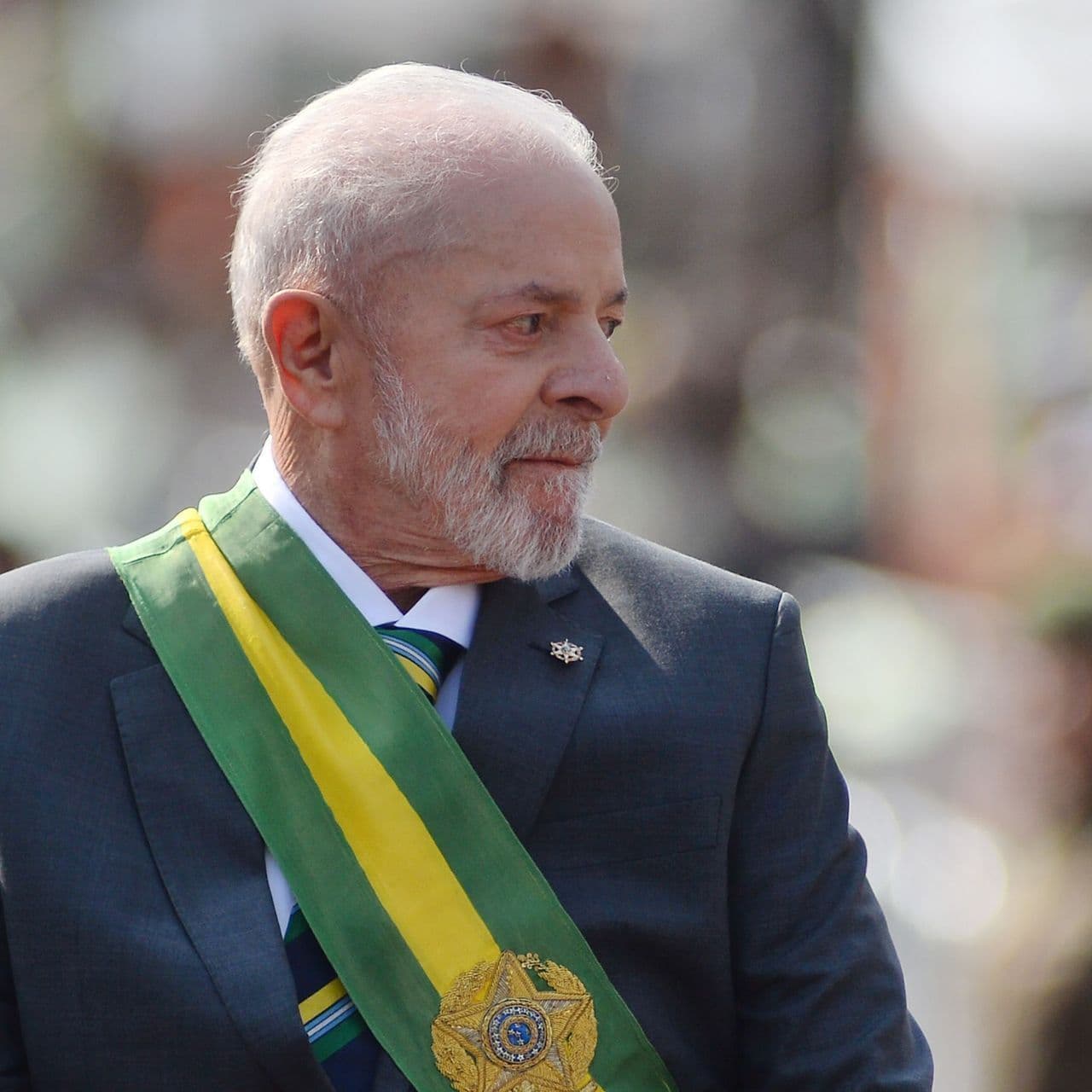
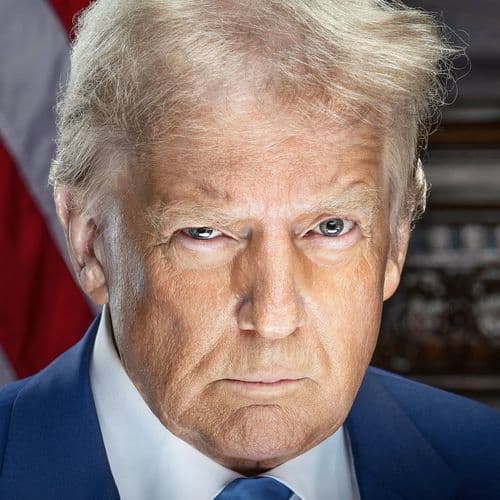
Trump told Lula that officials should meet soon to discuss tariffs, Brazil says
The 80-minute call led both governments to prepare new meetings after Brazil rejected U.S. tariff claims as unfounded.
- On Friday, Brazilian President Luiz Inacio Lula da Silva and U.S. President Donald Trump held an 80-minute phone call, agreeing that technical delegations should resume meetings to resolve ongoing tariff disputes.
- Washington imposed new trade barriers in July, including 25% tariffs on Brazilian goods and 12.5% levies linked to forced labor concerns, which Lula rejected as "unfounded" during the call.
- Lula also challenged Washington's May designation of two Brazilian criminal gangs as terrorist organizations, arguing that while these groups inflict "daily terror," they should not be equated with international terror threats.
- Ahead of Brazil's presidential election in October, trade tensions have become a significant campaign issue, with security concerns remaining a top priority for Brazilians.
- Negotiations aim to de-escalate the trade measures, mirroring the United States' decision last year to drop punitive tariffs following diplomatic efforts by the Brazilian government.
30 Articles
30 Articles
 Al Arabiya

Brazil's Lula urges tariffs resolution in call with Trump


During the conversation, the Brazilian president, who will run for a fourth term, considered that the "allegations" that motivated the US surtax are "unfounded".

Great leaders are not those who start wars, but those who end conflicts have stressed the Brazilian leader.

Lula-Trump Call: Navigating Tariff Tensions
Brazilian President Lula and U.S. President Trump discussed recent U.S. tariffs on Brazilian goods. Lula urged negotiations, while Trump proposed a meeting. The U.S. imposed tariffs citing unfair trade and forced labor concerns. Both leaders maintained friendly relations but anticipated no tariff changes before Brazil's elections.

Brazilian President Lula called on Trump to urgently end the war in Ukraine and resolve the situation in IranLula and Trump discussed the wars in Ukraine and the Middle East and agreed to seek a diplomatic solution. It was also about US tariffs.
Coverage Details
Bias Distribution
- 53% of the sources lean Right


Factuality
To view factuality data please Upgrade to Premium