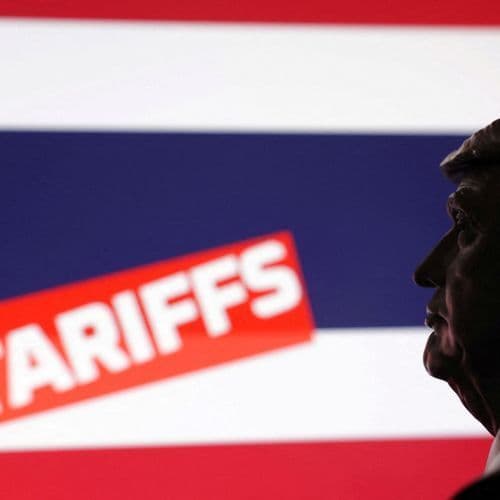
EU urges Britain to raise tariffs on Chinese cars, FT reports
Brussels wants London to align trade policy as Chinese EVs take a 16% share of Britain’s new car market, the FT reported.
- On Friday, Brussels warned Prime Minister Andy Burnham that Britain must raise tariffs on Chinese cars to avoid "Made in Europe" trade barriers that would restrict key exports.
- Nissan's European boss Massimiliano Messina warned this month that Britain risks becoming a "corridor" into the EU for Chinese EVs, after the UK failed to match EU tariffs in 2024, allowing Chinese manufacturers a 16 per cent market share.
- Britain already increased steel tariffs to 50% earlier this year, and Business Secretary Jonathan Reynolds is gathering data to determine where further trade defense actions may be required against cheap Chinese imports.
- Despite Labour's election 'red lines' ruling out a customs union, Prime Minister Andy Burnham faces pressure to align with anti-subsidy tariffs of up to 45 per cent on Chinese EVs to maintain market access.
- EU officials suggest joining the bloc's customs union as the solution, though European concerns have shifted from fears of a "Singapore-on-Thames" to fears of a "Turkey-across-the-Channel.
67 Articles
67 Articles


Britain has exerted intense pressure to ensure equal treatment for its products, but continues to rule out the possibility of a customs union. The post Britain – EU: The dilemma of Chinese cars and the new “wall” of Europe appeared first on in.gr.


Brussels has told British Prime Minister Andy Burnham that Britain needs to raise tariffs on Chinese cars and align more closely with EU trade policy to avoid “made in Europe” barriers on key exports, the Financial Times said on Friday.


The European Union has urged the United Kingdom to raise tariffs on China's cars and align its trade policy with that of the bloc as a condition to prevent British products from being hit by the new barriers of the so-called "Made in Europe" policy, according to information published by the Financial Times this Friday.
Coverage Details
Bias Distribution
- 39% of the sources lean Right


Factuality
To view factuality data please Upgrade to Premium