El Nino Forecast to Reach Record Strength as Global Heat, Weather Risks Rise: WMO
- The World Meteorological Organization forecasts that El Niño will strengthen rapidly and could become one of the strongest events since at least 1950.
- The WMO forecasts a near-100% chance that El Niño will continue through February 2027 and peak around December.
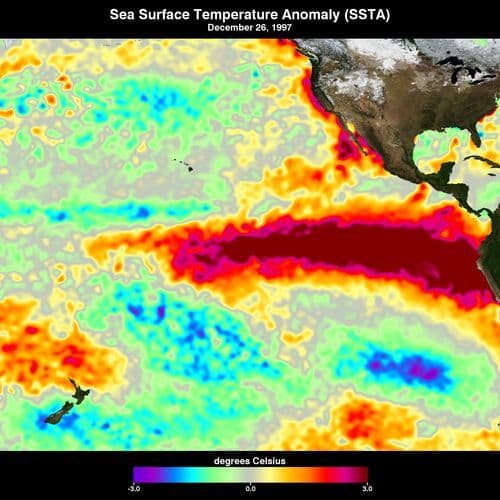
- Pacific sea-surface temperatures are expected to reach record levels in late 2026.
- The WMO says El Niño could raise temperatures, shift rainfall patterns, and increase drought and flood risks in different regions.
23 Articles
23 Articles

The powerful weather phenomenon El Niño, in progress, will intensify even more in the coming months, until it reaches its peak in December, to persist until February, the World Meteorological Organization (WMO) announced Thursday...

According to the World Meteorological Organization, the current episode of El Niño could become one of the most intense ever observed.

The current powerful El Niño weather phenomenon could become the most intense ever recorded, amplifying the effects of climate change The powerful El Niño weather phenomenon in

The El Niño weather phenomenon is set to strengthen further before reaching its peak in December, the United Nations said on Thursday, warning that it could be one of the strongest since at least the 1950s.


The meteorological phenomenon El Nino, already in progress, will intensify in the following months and could reach its peak in December, which will persist until February 2027. The World Meteorological Organization (WMO), the specialized agency of the UN, warns that the current episode could become one of the most intense recorded since 1950 until now. El Nino is a natural phenomenon of the climate system, characterized by the abnormal warming o…
Coverage Details
Bias Distribution
- 50% of the sources lean Right


Factuality
To view factuality data please Upgrade to Premium