Dollar Surges in September, Leaving Euro Lagging
French debt worries and rising Treasury yields pushed the euro below $1.13, with analysts warning the bond sell-off could add more risk premium.
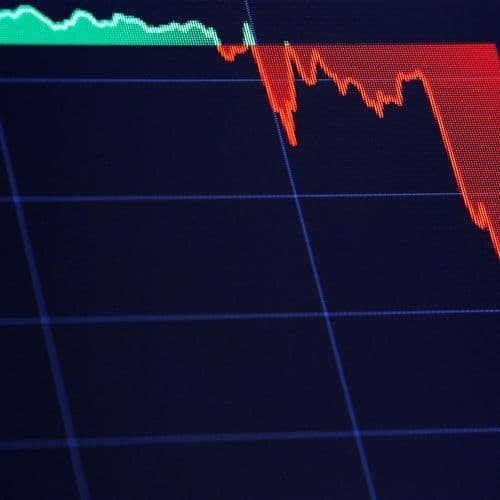
- The U.S. dollar strengthened in September, advancing nearly 2% against the euro as The Bloomberg Dollar Spot Index rose about 2% this month, nearing multi-month highs on Wednesday.
- Rising Treasury yields, with the two-year benchmark closing in on 5%, bolstered the greenback as markets increased expectations for a Federal Reserve rate hike in October to more than 70%.
- The euro declined 2.6% this month, pressured by persistent energy concerns and political instability in France, where the premium investors demand over German debt exceeded 110 basis points.
- Bank of Nassau 1982 chief economist Win Thin said, "This is broad-based dollar strength on rising yields," while Morgan Stanley analysts expect the greenback to maintain dominance through year-end.
- Investors are tracking the Personal Consumption Expenditures index due Wednesday and nonfarm payrolls on Friday, which serve as critical hurdles for confirming the dollar's momentum in coming weeks.
153 Articles
153 Articles


The euro relaxed slightly after falling to the lowest level for 17 months, obvious since May 2025, with the worsening crisis in France and the Sanchez government's decision to anticipate the elections. (ANSA)

European Shares Mixed As French Fiscal Worries Mount
European stocks were mixed on Monday, with French stocks coming under selling pressure after a historic rout in French government debt. The euro weakened to a 17-month low against the dollar on worries over rising borrowing costs and political instability in France.

Euro hits 17-month low on French debt fears and Spanish turmoil
The euro slid to its weakest level against the US dollar since May 2025 on Monday, as France's debt troubles and Spain's political turmoil, capped by a snap election call, fuelled fears of a fresh eurozone crisis and of contagion across the bloc's bond markets.

Investors are increasingly concerned about political and fiscal risks in the region.
Coverage Details
Bias Distribution
- 44% of the sources lean Right


![[your]NEWS](/_next/image?url=https%3A%2F%2Fgroundnews.b-cdn.net%2Finterests%2Ffb6dc495f74049f513563c33352175eaa0ecd509.jpg%3Fwidth%3D60&w=128&q=75)


Factuality
To view factuality data please Upgrade to Premium