Merz under pressure as two more German states go to the polls
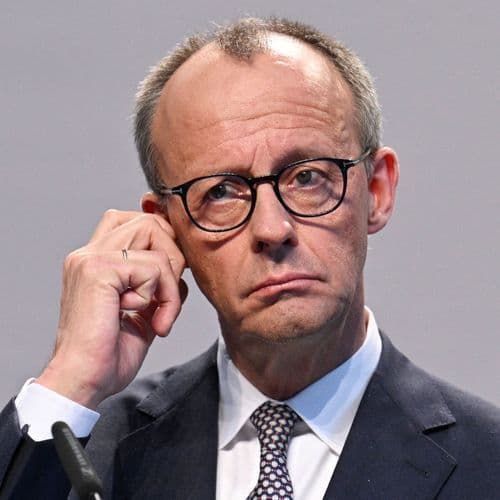
- On Sunday, German voters head to the polls in Berlin and Mecklenburg-Western Pomerania in final state elections that threaten to further undermine embattled Chancellor Friedrich Merz's leadership.
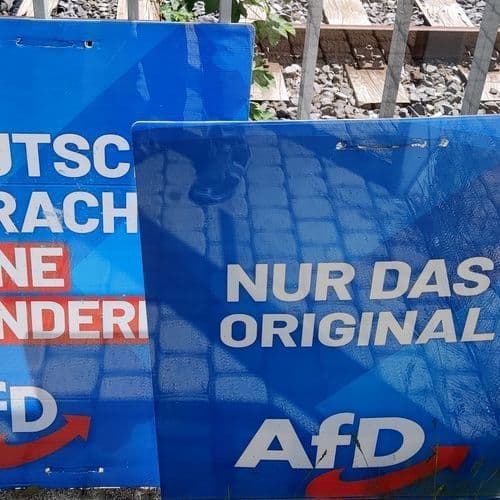
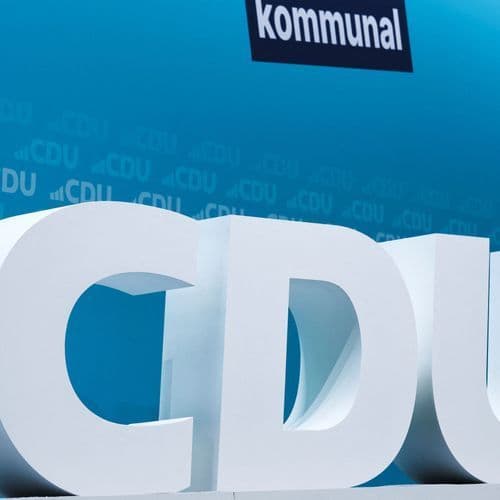
- Earlier this month, the CDU collapsed to 17% in Saxony-Anhalt while the AfD soared to 44%, intensifying conservative rumors about a potential 'chancellor swap' within Merz's party.
- In Mecklenburg-Western Pomerania, the SPD edges ahead of the AfD at 37% versus 36%, with the campaign centered on popular state premier Manuela Schwesig.
- Berlin voters may see the Left Party overtake the CDU for the mayor's office, raising fresh questions over the so-called "firewall" strategy under which parties refuse AfD coalitions.
- Merz's approval ratings have plunged to 14% amid frustration over pension, tax, and energy reforms; senior CDU figures rallied behind him despite deep economic challenges ahead.
420 Articles
420 Articles


Alternatieve für Deutschland looks set to become the largest party in the German state of Mecklenburg-Western Pomerania, following Saxony-Anhalt. In the capital, Berlin, Die Linke made significant gains, making a left-wing coalition with the Greens and the SPD possible.

The Chancellor Frederick Merz HDZ only receives 5.5 per cent in the Mecklenburg Parliament elections, the Front Pomerania, as shown by the first figures of the exitpoles.

Chancellor Friedrich Merz's CDU risks failing to clear 5% threshold, according to projections

State elections were held in Berlin and Mecklenburg-Western Pomerania.

Berlin has elected and for the first time a left could move into the Red Town Hall as the Governing Mayor. For the CDU it is another damper.
Coverage Details
Bias Distribution
- 38% of the sources lean Left


Factuality
To view factuality data please Upgrade to Premium