South Korea issues first emergency heatwave warning under new rating system
The new alert system is triggered when heat risk reaches a level that can cause illness or death, officials said.
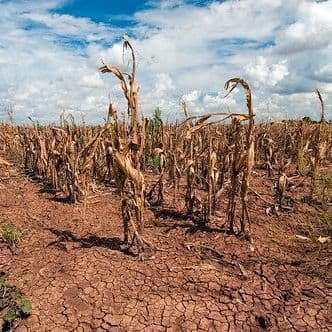
- On Sunday, the Korea Meteorological Administration issued its first-ever emergency heatwave warning for Gyeongsan and Pohang in North Gyeongsang Province, marking the highest alert level under a new system introduced this year.
- The new system triggers when areas with perceived temperatures of 35°C for two consecutive days face hotter conditions; Gyeongsan's Hayang-eup reached 39.9°C on Saturday, driven by the foehn effect.
- KMA Administrator Lee Mi-seon advised residents to stop outdoor activities immediately, particularly between 2 p.m. and 5 p.m., as the emergency alert signals significantly elevated risk of heat-related illness and death.
- South Korea's heatwave days have more than doubled to 19 annually over the past five years, from eight in the 1970s, reflecting intensifying heat patterns across the region.
- The North Pacific and Tibetan high-pressure systems continue to drive extreme temperatures, while the return of El Nino this year adds further intensity to the region's climate pressures.
41 Articles
41 Articles

The country's weather warning criteria have been raised for the first time in 18 years. This is to adapt to the effects of climate change, according to the government. On Sunday, July 12, temperatures in the southern part of North Gyeongsang province nearly reached 40 degrees Celsius. Even in Seoul, South Koreans received instructions to follow directly on their mobile phones.


The new warning system was created to deal with the increasingly frequent heat waves in South Korea, where they have become longer and more intense, according to authorities.
 Observador

Maximum alert is triggered when a region records maximum temperatures of at least 35°C for two consecutive days. Outdoor activities should be suspended.


News quickly and reliably.
Coverage Details
Bias Distribution
- 43% of the sources lean Right


Factuality
To view factuality data please Upgrade to Premium