Mexico Enacts Reform Barring Dual Citizens From Presidency
The change takes effect in 2028 and also covers governors and the Mexico City mayor, while opponents say it targets rivals and violates rights.
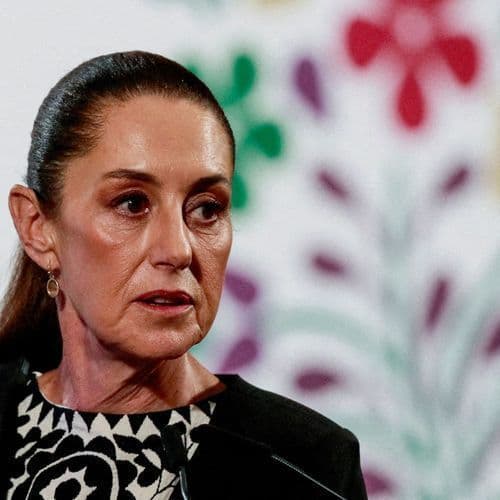
- On Wednesday, President Claudia Sheinbaum signed a decree blocking dual citizens from running for president, state governor, or Mexico City mayor starting in 2028.
- Sheinbaum proposed the legislation in late August to prevent foreign interference in Mexico's political leadership, requiring officials to hold singular allegiance to the country.
- While restrictions take effect in 2028, next year's midterm elections will proceed without changes. Mexico joins Cuba, Nicaragua, and Venezuela in prohibiting heads of state from holding multiple nationalities.
- The opposition PAN party argued the reform conflicts with regulations allowing legislators to hold other nationalities, while critics contend it violates rights of Mexicans who obtained citizenship abroad, particularly in the United States.
- American Society of Mexico president Larry Rubin criticized the policy, stating, "Loyalty to Mexico is not measured by how many passports a person has, but by their actions, their track record, and their respect for the Constitution.
48 Articles
48 Articles

Reform to apply to presidential, gubernatorial, Mexico City mayoral candidates from 2028

President Claudia Sheinbaum signed the constitutional reform prohibiting dual citizenship in senior executive positions.

Future presidents and governors of Mexico now barred from holding 2 passports: Wednesday's mañanera recapped
President Claudia Sheinbaum signed a decree on Wednesday morning that will ensure that candidates contesting future presidential elections in Mexico have only Mexican nationality. Later in her presser, Energy Minister Luz Elena González gave an update on the government's electricity investments.


Mexico enacts reform barring dual citizens from presidency
MEXICO CITY, Oct 7 (Reuters) - Mexico's reform to block dual citizens from running for president will take effect on Wednesday, amid criticism that the ruling party designed the move to block opposition candidates. The reform, which will also apply t...

It will come into effect since 2028 and will affect the 2030 presidential elections; there are opposition questions


Luisa María Mayor, Legal Adviser of the Federal Executive, informed that the amendment will enter into force in 2028 and will be published this afternoon in the Official Journal of the Federation
Coverage Details
Bias Distribution
- 37% of the sources are Center, 36% of the sources lean Right


Factuality
To view factuality data please Upgrade to Premium