Our Fat Tissue May 'Remember' Obesity, Even After We've Lost Weight
4 Articles
4 Articles

Our Fat Tissue May 'Remember' Obesity, Even After We've Lost Weight
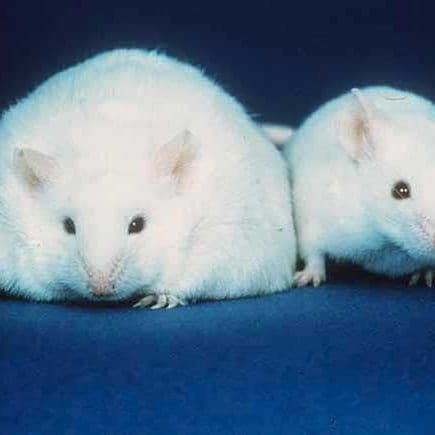
As scientists look for ways to tackle the global obesity crisis, research has established that once the obesity stage is reached, it can be very difficult for many people to find weight loss methods that work long-term.

Nowadays, society treats obesity or overweight as if it were just a problem of aesthetics, or even a personal choice when in reality it is a pathology, a chronic disease, which progressively affects the health of our entire organism.The entry Losing kilos is not enough: the battle against obesity continues after thinning was first published in La Voz de Michoacán.

Obesity causes permanent biological changes in immune cells located in fat tissue, a lasting change that persists like a “biological memory” even after weight loss and directly disrupts the fat-burning process, a new study has revealed. The study has uncovered a hidden cellular mechanism that prevents long-term, sustainable weight loss.

This research has shown that the accumulation of dead cells in adipose tissue leads to a decrease in the inosine molecule, which in turn stops the breakdown of stored fats. The post New research: Memory of obesity remains in adipose tissue, making weight loss difficult appeared first on Digiato.
Coverage Details
Bias Distribution
- 100% of the sources are Center


Factuality
To view factuality data please Upgrade to Premium