Kim Stanley Robinson won’t read aloud his climate disaster scene from ‘The Ministry for the Future’
Scientists said warming made the slope less stable and helped trigger a collapse that killed about 1,400 people, according to the study.
- On Wednesday, World Weather Attribution reported that human-caused warming likely destabilized the Langtang Lirung slope, triggering the August 26 rock-and-ice collapse that killed more than 1,400 people and left thousands missing.
- Decades of global warming thinned glaciers and thawed permafrost between 4,500 and 5,500 meters elevation, weakening the mountainside. A 2015 magnitude-7.8 Gorkha earthquake may have fractured bedrock years earlier, increasing the slope's vulnerability.
- Nepal's government formally requested $20 million from the U.N. Loss and Damage fund, though officials estimate total reconstruction costs could exceed $5 billion following destruction of infrastructure and hydropower capacity.
- The debris flow reached the Nepal-China border in seven minutes, overwhelming early warning systems designed for slower rainfall-driven floods and destroying villages along the Trishuli River corridor.
- Novelist Kim Stanley Robinson recently declined to read his climate catastrophe scenes aloud, saying "this is too harsh," yet maintains his books aim to highlight climate dangers and the need for unified global response.
154 Articles
154 Articles

(Hanoi=Yonhap News) Correspondent Park Jin-hyung = "Why did the floods in Nepal cause such extensive damage?"


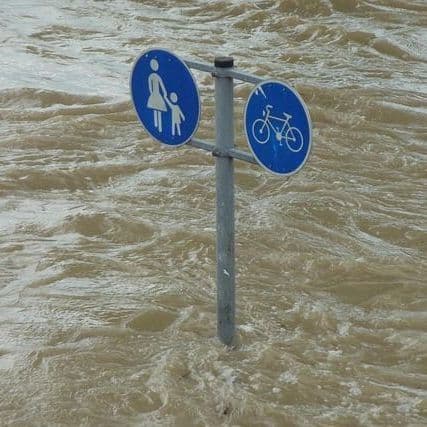
The catastrophic floods in Nepal at the end of August, during which more than 1,400 people lost their lives, were caused by the destabilization of a glacier fueled by global warming, according to the first attribution study of the event published on Thursday, September 17th.
 The Conversation


Flood-damaged Nepal wants help from the global climate Loss and Damage Fund – but it’s waiting, along with 118 other countries
A rush of mud, rock and water inundated the town of Trishuli, Nepal, on Aug. 26, 2026, after a glacier collapsed. Pedro Pardo/AFP via Getty ImagesAs it faces the enormous task of rebuilding from a deadly flood that tore through communities in the Himalayas, Nepal is seeking compensation from the international Fund for Responding to Loss and Damage – meaning from countries that are major contributors to climate change, which it blames for the dis…


The First Study on the Nepal Disaster Is Complete
A first-of-its-kind study into the Himalayan disaster that villed more than 1,300 people concluded that decades of warming likely weaken the ice and rock that suddenly broke loose, triggering a devastating series of events. The August 26 glacier collapse on Nepal's Langtang Lirung mountain smells more than 2 million...
Coverage Details
Bias Distribution
- 44% of the sources are Center


Factuality
To view factuality data please Upgrade to Premium