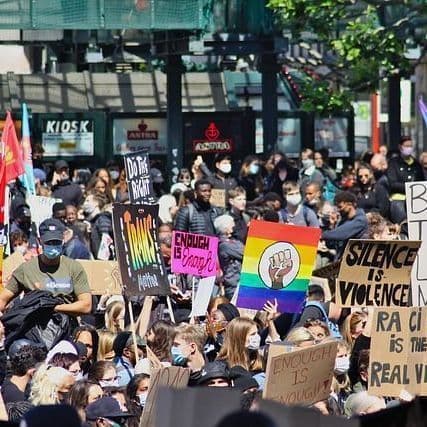
Irish public sector workers strike for first time since 2009 over pay deadlock
Unions say pay terms must be settled first as schools, hospitals and courts face closures and thousands of appointments are postponed, officials said.
- On Wednesday, more than 300,000 public sector workers in Ireland are participating in a one-day strike over pay negotiations, causing widespread closures of schools and Government facilities.
- Trade Unions rejected late Government efforts to avert the stoppage, with the Irish Congress's Public Service Committee stating there was 'no basis' for postponing the strike.
- The HSE warned of 'significant and widespread' disruption to Health services, with Thousands of appointments cancelled and Leinster House closed as Employees participate in industrial action.
- Minister for Public Expenditure Jack Chambers and Martin urged Trade Unions to enter talks at the Workplace Relations Commission, but unions dismissed the efforts as 'too little, too late.'
- The Government set aside €1.2 billion for a pay deal, Martin noted, though this strike could potentially mark the beginning of a long winter of discontent for Ireland.
12 Articles
12 Articles


Irish public sector workers strike for first time since 2009 over pay deadlock
Much of Ireland's public sector ground to a halt on Wednesday as workers staged the country's first widespread strike since the height of the financial crisis in 2009, in a dispute with the government over the terms of pay talks.

Public sector strike: What's open and what's closed today
More than 300,000 public sector workers have walked off the job today in the biggest national strike in almost two decades. The action is set to bring widespread disruption to schools, hospitals and public services across the country. Here is what is open and what is closed. Schools, colleges and universities: closed Most schools across […]


On Wednesday, much of Ireland's public sector effectively shut down due to a nationwide strike by workers, which was the first large-scale strike in the country since the height of the financial crisis in 2009.
Coverage Details
Bias Distribution
- 60% of the sources are Center


Factuality
To view factuality data please Upgrade to Premium