Global Food Inflation Set to Accelerate Into 2027 as Supply Shocks Mount
- Global food inflation is expected to accelerate in the coming months and continue through 2027 as conflicts, extreme weather, and shipping problems pressure supplies.
- The World Bank found that food prices outpaced general inflation in 22% of 150 countries in the September quarter, up from 14% previously.
- The FAO Food Price Index averaged 136 points in September, its highest level since November 2022.
15 Articles
15 Articles

A new wave of food prices could hit in the coming months, and price increases risk continuing throughout 2027. Economists and international organisations warn that wheat, rice, sugar and other commodities have already been high, and the situation could worsen. Wars, drought and rising transport costs put pressure on the food market, and the effects could gradually reach consumer prices.

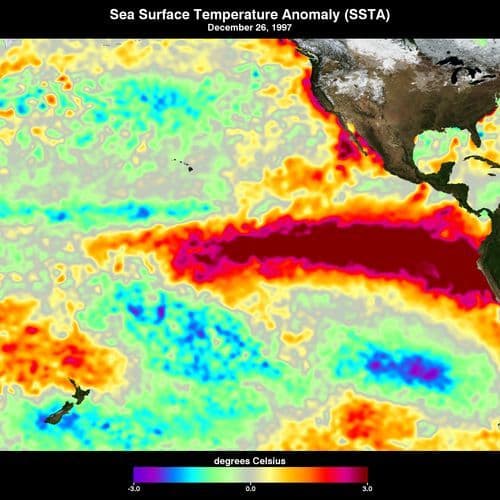
World food prices are rising even further until 2027, owing to shipping disorders, high fertilizer and energy costs, and drought associated with the El Niño phenomenon, amid declining supplies and increasing pressure on consumers.

Global food inflation set to accelerate into 2027 as supply shocks mount
Recent report shows, global food markets face mounting price pressures as a compounding wave of geopolitical conflicts, extreme weather, and logistical bottlenecks threaten to drive up the cost of...


As global food prices accelerate again, energy costs, pressures on trade routes due to wars, and problems in agricultural production are increasing the risk of a new wave of food inflation. Warnings from the FAO indicate that price pressures, especially on staple foods, may become even more pronounced in the coming period.

Food inflation to rise through 2027 as war, El Nino hit global supplies
The world's poorest consumers are being hit the hardest as food prices rise sharply in low- and middle-income countries across the Middle East, North Africa and Asia, where food accounts for a larger share of household spending
Coverage Details
Bias Distribution
- 50% of the sources lean Left, 50% of the sources lean Right


Factuality
To view factuality data please Upgrade to Premium