EU opens door for Canada to become its first associate member, von der Leyen says
Von der Leyen said the proposed partnership would deepen cooperation on trade, defence and technology as Canada seeks to reduce reliance on the United States.
- On Wednesday, European Commission President Ursula von der Leyen proposed that Canada become the European Union's first "associate member" during her State of the European Union address in Strasbourg, France.
- This overture follows a historic breakdown in Canada-U.S. trade relations last month, as President Donald Trump's tariffs and rhetoric about making Canada the 51st state pushed Ottawa to seek closer European ties.
- Von der Leyen stated the EU and Canada will build on their existing CETA agreement by creating an "Alliance for the Future" aimed at establishing "a common prosperity and economic security space."
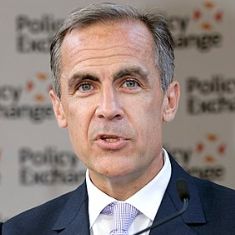
- Receiving a standing ovation from European lawmakers on Wednesday, Canadian Prime Minister Mark Carney is scheduled to address the European Parliament on Thursday regarding this "unique alliance."
- Responding to a "fracture in the international rules-based system," von der Leyen noted the partnership is "not against anyone else" to avoid antagonizing the United States.
778 Articles
778 Articles

Canada and the European Union want to expand their cooperation. European Commission President von der Leyen has offered the government in Ottawa an associated EU membership. But what exactly is behind the proposal? Questions and answers.

Ursula von der Leyen proposed, on Wednesday, in Canada, a brand new status as an associate member of the European Union. Synergies are in sight. They make Donald Trump jump.

 cedarnews.net

نُشر هذا المقال أولاً عبر Cedarnews.net. More reviews موقعنا. The EU and Canada will work more closely together, Prime Minister Mark Carney and EU President Ursula von der Leyen announced this week. تم نشر هذا الخبر عبر موقع Cedarnews الإخباري. للاطلاع على مزيد من الأخبار العاجلة زوروا موقعنا الرسمي.
On Wednesday, it became clear that Canada is moving closer to the EU and will become the union's first "associate member". But what does that mean? How does it affect the EU in general, and the relationship with Trump's USA? And what would happen if Canada were to actually become a member of the EU? GP has asked three experts the question after Canada's historic announcement.

In her speech to the European Parliament on Wednesday 17 September, Commission President Ursula Von der Leyen proposed that Canada become an "associate member" of the EU. This rapprochement takes place in a climate of distrust of Donald Trump's positions.
Coverage Details
Bias Distribution
- 43% of the sources are Center


Factuality
To view factuality data please Upgrade to Premium