ICE Proceeds with $16.7M Shock Glove Purchase Despite Army Study; Senators Demand Answers
United States
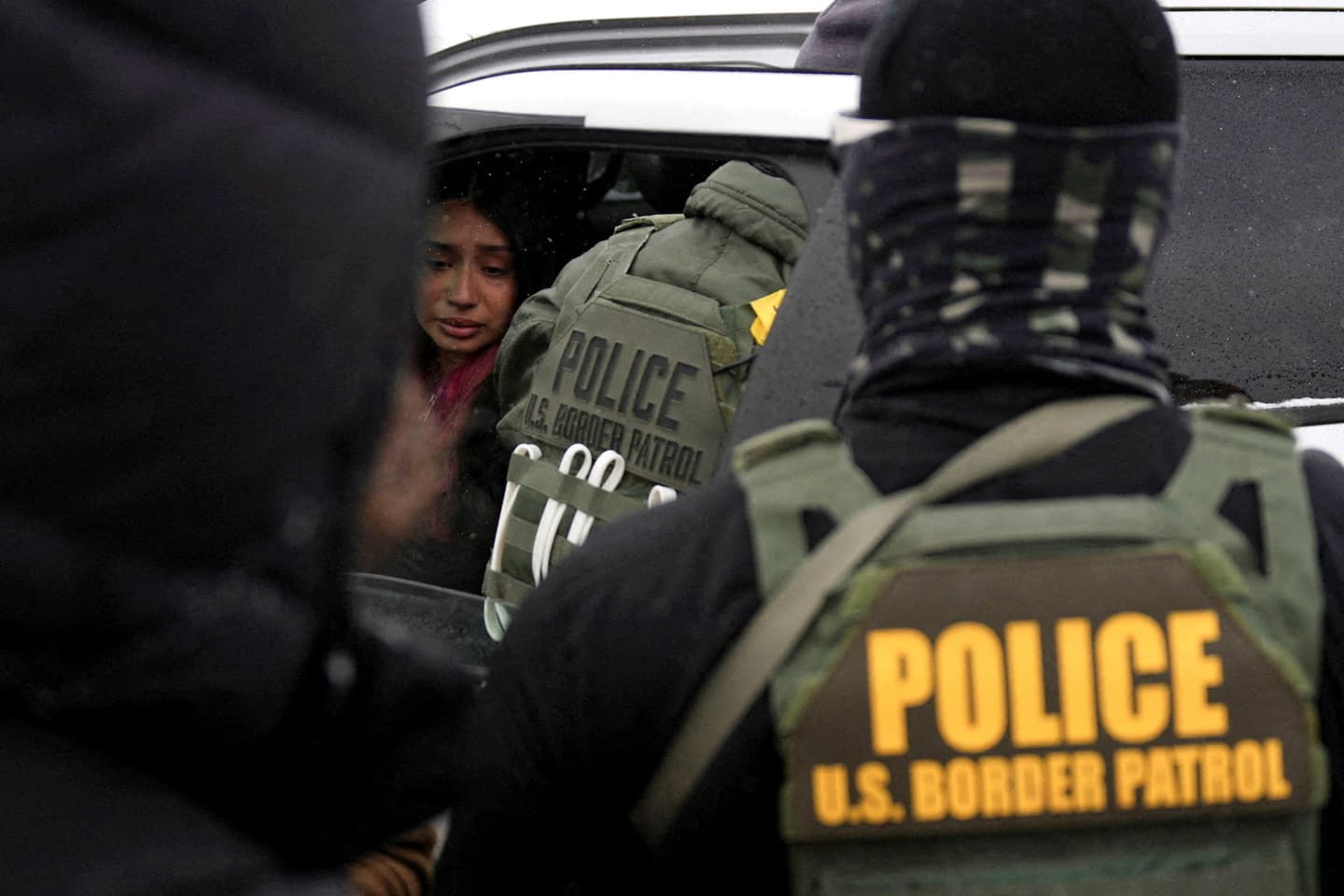
Leah Millis/Reuters
Source Analysis




What Happened
What Happened
Where Sources Agree
- arrows_inputArmy Assessment of Shock Gloves: A number of outlets note that the shock gloves ICE purchased cause intense pain and immediate compliance, though the assessment conducted at Fort Leavenworth did not evaluate long-term health or safety risks, according to the Army study.
- arrows_inputICE Shock Glove Purchase: Initial reports confirm ICE finalized a $16.7 million contract for 6,000 pairs of shock gloves in August, with agency leadership aware of an Army study showing the devices cause intense pain and immediate compliance before signing.
- arrows_inputCongressional Demand for Accountability: Outlets generally confirm that ICE has failed to respond to an August 27 letter from 16 senators demanding answers about its shock glove purchase, with the agency leaving public concerns unaddressed, according to U.S. Senator Catherine Cortez Masto.
Where Sources Disagree
- arrows_outputContract Value Reporting: Reports vary slightly on the ICE contract value, with most sources citing $16.7 million, while others describe the figure as nearly $17 million.
- arrows_outputShock Glove Efficiency Findings: Some reports highlight the Army study's finding that the gloves increased operational efficiency by reducing the duration of physical encounters. In contrast, other coverage emphasizes the study’s conclusion that the devices did not significantly change the time required to control inmates during escorts, despite the reduced physical effort.
Timeline
October 06, 2026
ICE purchase revealed and criticized: Reporting in early October 2026 revealed ICE leaders were aware of the Army findings before finalizing a roughly $16.7–$17 million contract (for about 6,000–6,650 pairs) and moving forward with the rollout, prompting watchdog, congressional and state responses including California legislation barring use.
August 27, 2026
Senators demand answers: In late August 2026 (including an Aug. 27 letter), Sen. Catherine Cortez Masto and 15 other Democratic senators urged ICE to cancel or explain the planned purchase and safety safeguards; as of reporting ICE had not responded to their questions.
December 12, 2024
Final Army report issued: A 38‑page assessment dated Dec. 12, 2024 concluded the GLOVE was "operationally effective and suitable" for military prison cell‑extraction teams but noted limited operator data, no statistical efficacy testing and that health or safety effects were not evaluated.
Summary by Ground AI
Sources
See All 97A varied selection of sources chosen by Ground to reflect the diversity of this story’s coverage.
Most Written About
The stories getting the most coverage from the last 24 hours


Source Analysis
Timeline
October 06, 2026
ICE purchase revealed and criticized: Reporting in early October 2026 revealed ICE leaders were aware of the Army findings before finalizing a roughly $16.7–$17 million contract (for about 6,000–6,650 pairs) and moving forward with the rollout, prompting watchdog, congressional and state responses including California legislation barring use.
August 27, 2026
Senators demand answers: In late August 2026 (including an Aug. 27 letter), Sen. Catherine Cortez Masto and 15 other Democratic senators urged ICE to cancel or explain the planned purchase and safety safeguards; as of reporting ICE had not responded to their questions.
December 12, 2024
Final Army report issued: A 38‑page assessment dated Dec. 12, 2024 concluded the GLOVE was "operationally effective and suitable" for military prison cell‑extraction teams but noted limited operator data, no statistical efficacy testing and that health or safety effects were not evaluated.


