Iran Sends U.S. Seven Conditions to End War
Iran
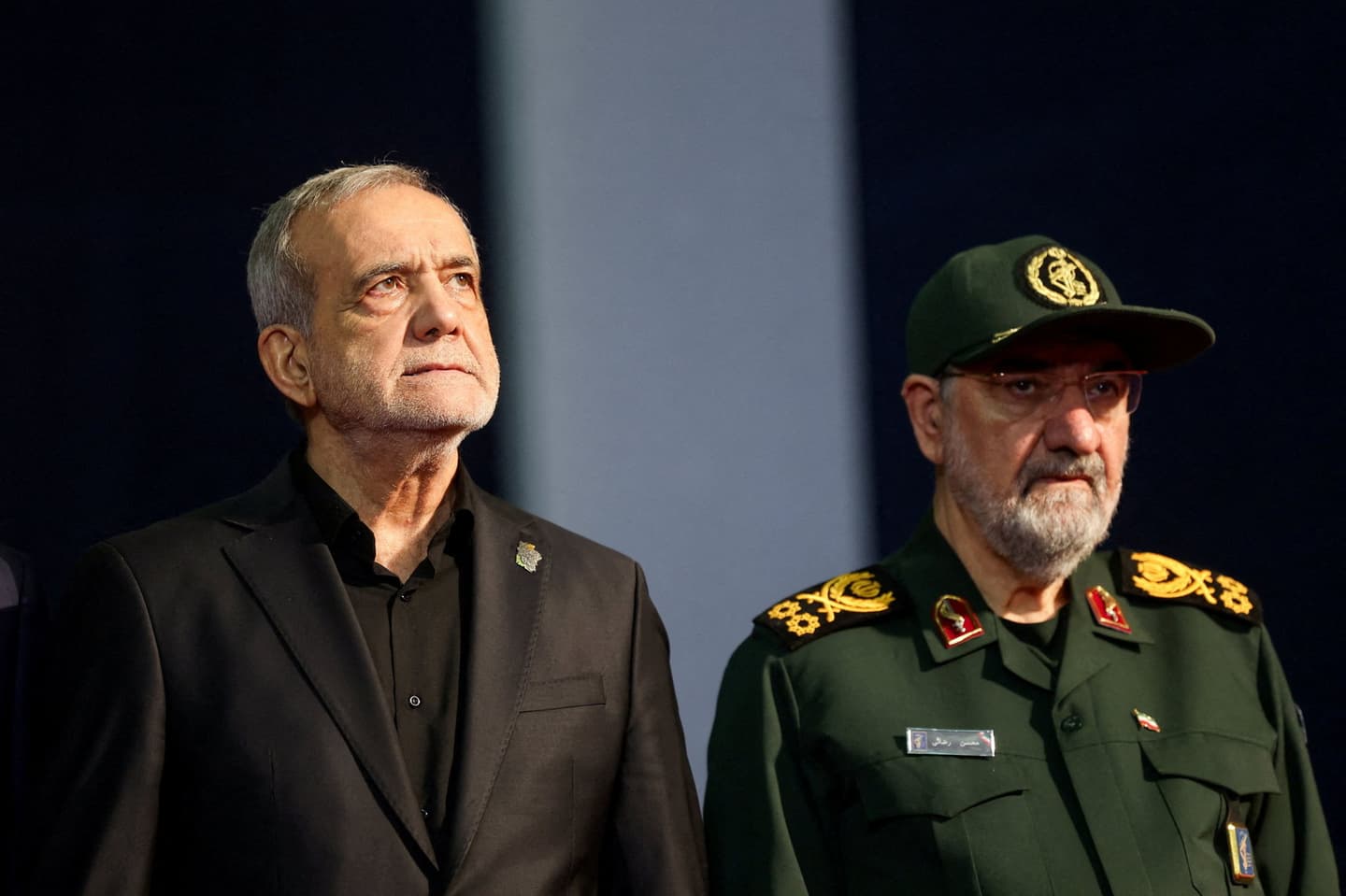
Mohammed Salem/Reuters
Source Analysis




What Happened
What Happened
Timeline
September 20, 2026
US Response And Alerts Follow: The White House received Iran's conditions and President Trump returned early from Camp David to consider the response, while Washington weighed diplomatic versus military options; US diplomatic missions in the region faced heightened security alerts and the State Department issued visas to Iran's UNGA delegation. The administration publicly awaited a response to Tehran's demands as regional tensions and risks to shipping continued. (supported by statements 111, 121, 114, 124, 127, 143, 145, 148)
September 19, 2026
Security Chief Issues Military Warning: In the same interview, Rezaei warned Iran is prepared for a 'decisive war' if Washington rejects its terms, said Tehran recently tested an anti-ship missile near a US aircraft carrier, and threatened strikes on US bases and commercial interests while focusing military planning on US naval assets across the Gulf to the Arabian Sea. He also signaled Iran might reconsider its NPT commitments if further US or Israeli attacks occur. (supported by statements 0, 22, 50, 54, 69, 86, 95, 96, 122, 126, 128, 134, 137)
September 19, 2026
Iran Transmits Seven Conditions: Iran's Supreme National Security Council, via Secretary Mohsen Rezaei, conveyed seven conditions to Washington through Qatari (and Pakistani) mediators and is awaiting a response from President Trump; core demands included an end to the war on all fronts, the release of frozen Iranian funds, and lifting the US naval blockade. Rezaei posted that Tehran's message is 'clear and unambiguous,' though the full list of demands has not been publicly released. (supported by statements 1, 13, 20, 31, 47, 117, 132, 140, 116)
Perspectives and Debates
Is Iran's proposal a genuine diplomatic opening or a tactical posture paired with escalation threats?
Summary by Ground AI
Sources
See All 318A varied selection of sources chosen by Ground to reflect the diversity of this story’s coverage.
Most Written About
The stories getting the most coverage from the last 24 hours





Source Analysis
Timeline
September 20, 2026
US Response And Alerts Follow: The White House received Iran's conditions and President Trump returned early from Camp David to consider the response, while Washington weighed diplomatic versus military options; US diplomatic missions in the region faced heightened security alerts and the State Department issued visas to Iran's UNGA delegation. The administration publicly awaited a response to Tehran's demands as regional tensions and risks to shipping continued. (supported by statements 111, 121, 114, 124, 127, 143, 145, 148)
September 19, 2026
Security Chief Issues Military Warning: In the same interview, Rezaei warned Iran is prepared for a 'decisive war' if Washington rejects its terms, said Tehran recently tested an anti-ship missile near a US aircraft carrier, and threatened strikes on US bases and commercial interests while focusing military planning on US naval assets across the Gulf to the Arabian Sea. He also signaled Iran might reconsider its NPT commitments if further US or Israeli attacks occur. (supported by statements 0, 22, 50, 54, 69, 86, 95, 96, 122, 126, 128, 134, 137)
September 19, 2026
Iran Transmits Seven Conditions: Iran's Supreme National Security Council, via Secretary Mohsen Rezaei, conveyed seven conditions to Washington through Qatari (and Pakistani) mediators and is awaiting a response from President Trump; core demands included an end to the war on all fronts, the release of frozen Iranian funds, and lifting the US naval blockade. Rezaei posted that Tehran's message is 'clear and unambiguous,' though the full list of demands has not been publicly released. (supported by statements 1, 13, 20, 31, 47, 117, 132, 140, 116)


