Study Finds Feedstock Chemical Leaks May Delay Ozone Recovery by 7 Years
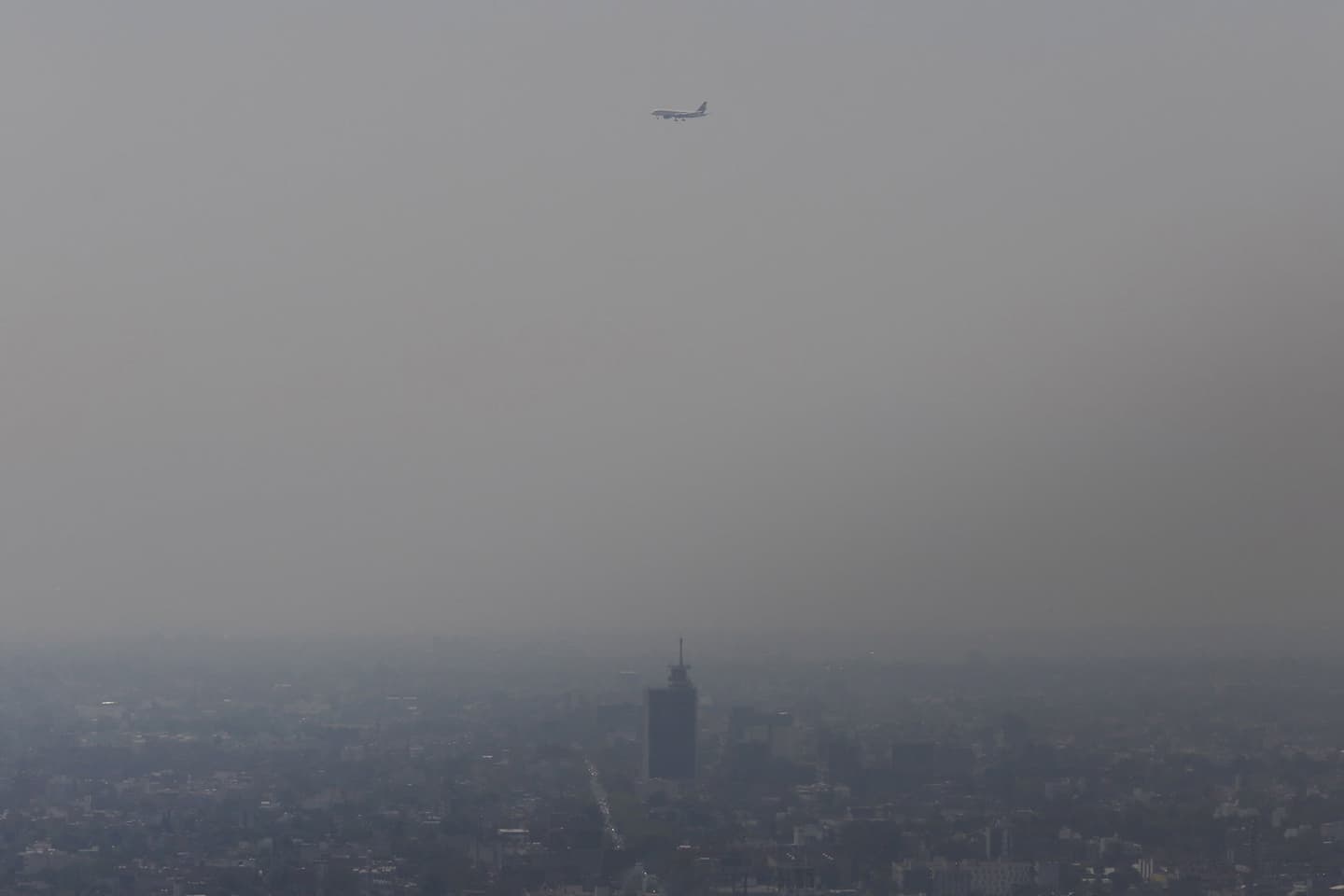
Edgard Garrido/Reuters
Source Analysis




What Happened
Why It Matters
What Happened
Why It Matters
Where Sources Agree
- arrows_inputFeedstock Exemption Low Leakage: Sources across outlets confirm the Montreal Protocol exempted feedstock chemicals from its ban, based on an initial estimate of only 0.5 percent leakage, according to the Montreal Protocol.
- arrows_inputFeedstock Leakage Delays Ozone Recovery: Sources verify that leakage from feedstock use is projected to delay ozone layer recovery by about seven years, pushing it to 2073, through findings by an international team of researchers.
- arrows_inputFeedstock Chemicals' Dual Impact: Initial reports confirm feedstock chemicals are both ozone-depleting and climate-warming, with additional emissions expected to reach around 300 million metric tons of CO₂ equivalents per year, according to the Nature Communications study.
Where Sources Disagree
- arrows_outputFeedstock Exemption Rationale: Some researchers describe the feedstock exemption as a 'bug in the system' that should be addressed due to its damaging effects, while other researchers emphasize that these chemicals were initially excluded because their emissions and use were significantly underestimated.
- arrows_outputHistorical Feedstock Trends: Reports vary slightly on the historical trend of ozone-depleting substance feedstock production; some researchers suggest it has 'pretty much ceased' for most uses, while others indicate it significantly increased by 163% between 2000 and 2024.
Timeline
April 16, 2026
Policy Implications And Responses: Researchers say cutting feedstock emissions would benefit both ozone recovery and the climate, and feedstock emissions are already being discussed under the Montreal Protocol; possible responses include eliminating feedstock uses, swapping chemicals, or reducing leakage. The team highlights that monitoring capability and industry innovation make mitigation feasible.
April 16, 2026
Study Quantifies Recovery Delay: A Nature Communications study published on April 16, 2026 modeled scenarios using 3.6% (BAU), 0.5%, and zero feedstock leakage and found current leakage could delay full ozone recovery by about seven years (to ~2073 versus 2066 at 0.5% or 2065 at zero leakage). The paper is the first comprehensive quantification of leaked feedstocks' impact on ozone recovery.
January 1, 2024
Measurements Show Higher Leakage: Recent atmospheric measurements and modeling show feedstock leakage is substantially higher than assumed, now estimated around 3.6%, and feedstock use has risen—notably during 2014–2024. These updated estimates come from global monitoring networks such as AGAGE and atmospheric transport analyses.
Summary by Ground AI
Sources
See All 12A varied selection of sources chosen by Ground to reflect the diversity of this story’s coverage.
Most Written About
The stories getting the most coverage from the last 24 hours






Source Analysis
Timeline
April 16, 2026
Policy Implications And Responses: Researchers say cutting feedstock emissions would benefit both ozone recovery and the climate, and feedstock emissions are already being discussed under the Montreal Protocol; possible responses include eliminating feedstock uses, swapping chemicals, or reducing leakage. The team highlights that monitoring capability and industry innovation make mitigation feasible.
April 16, 2026
Study Quantifies Recovery Delay: A Nature Communications study published on April 16, 2026 modeled scenarios using 3.6% (BAU), 0.5%, and zero feedstock leakage and found current leakage could delay full ozone recovery by about seven years (to ~2073 versus 2066 at 0.5% or 2065 at zero leakage). The paper is the first comprehensive quantification of leaked feedstocks' impact on ozone recovery.
January 1, 2024
Measurements Show Higher Leakage: Recent atmospheric measurements and modeling show feedstock leakage is substantially higher than assumed, now estimated around 3.6%, and feedstock use has risen—notably during 2014–2024. These updated estimates come from global monitoring networks such as AGAGE and atmospheric transport analyses.


