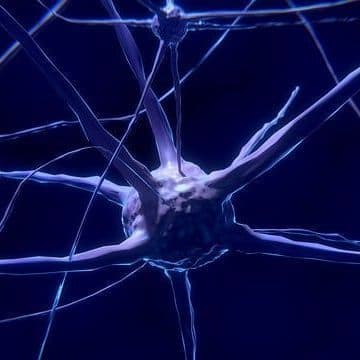
Transplanted human cortical organoids filled most of a mouse cortex. Then they began to connect
7 Articles
7 Articles

Transplanted human cortical organoids filled most of a mouse cortex. Then they began to connect
Researchers created xenocortical mice by transplanting human cortical organoids into animals genetically depleted of much of their native cortex, allowing the human tissue to occupy most of the available cortical space and form anatomical connections throughout the host nervous system. The grafts developed diverse cortical cell types, including L5-ET and VEN-like neurons, generated organized neural activity, and produced measurable cellular and …

As far as the development of organoids is concerned, the latest study by Stanford researchers shows:inside. They managed to read human second readings in mice' brains on t3n.de.

Stanford researchers have successfully transplanted human brain tissue into mice, achieving control of their mobility and creating a hybrid nervous system.

Scientists have created a hybrid human-mouse brain - Root-Nation.com
Researchers at Stanford University conducted a groundbreaking experiment that significantly expands the potential applications of lab-grown neural structures. The scientists were able to achieve an unprecedented level of integration between a human cortical organoid and the nervous system of another organism. The researchers transplanted cerebral cortex tissue derived from human stem cells into mice with […] Post Has an ethical line been crossed…

A research team from Stanford University and other institutions transplanted brain tissue made from human stem cells into mice lacking a large portion of their cerebral cortex, confirming extensive connections with the mice's nervous system. The transplanted tissue grew, extending nerve fibers to the spinal cord, and showed changes in certain memory tasks and gait after hypoxic-induced injury. The research findings were published in Nature on Se…

Developmental Xenocortication Using Human-Derived Organoids in Mice
The authors established a transplantation platform using a genetic strategy to effectively deplete glutamatergic neurons from mouse neocortex and hippocampus (apallial) and neonatally engraft the cortical cavity with human stem-cell-derived cortical organoids to generate xenocortical mice. [Nature] Full ArticlePress Release
Coverage Details
Bias Distribution
- 100% of the sources are Center


Factuality
To view factuality data please Upgrade to Premium