Sun Fires Off 10 Solar Flares in 24 Hours as Multiple Earth-Bound CMEs Raise Northern Lights Hopes for July 4 Weekend
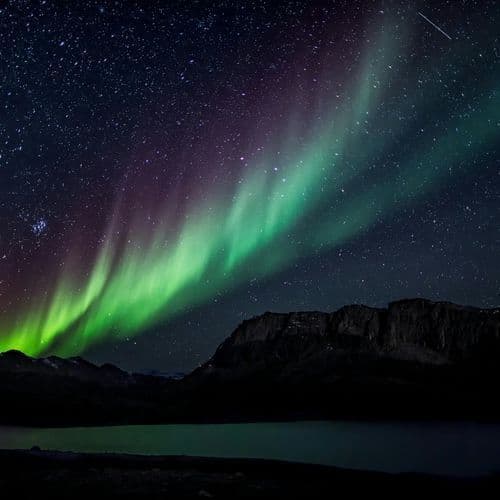
NOAA says at least one coronal mass ejection could drive moderate geomagnetic storms and push the northern lights farther south than usual.
6 Articles
6 Articles

There have been major solar flares, so it will be worth looking north each night.

'Machine-gun sun' could bring auroras to more than a dozen states this Independence Day weekend
Fourth of July celebrations across the United States this weekend could be accompanied by light shows in the night skies, as a string of powerful solar eruptions appear set to strike Earth.The sun has been especially hyperactive over the past few days — firing off 10 M-class solar flares over 24 hours that have been accompanied by multiple coronal mass ejections (CMEs), which are set to slam into Earth on July 3 and July 5. CMEs are large, fast-…

Sun fires off 10 solar flares in 24 hours as multiple Earth-bound CMEs raise northern lights hopes for July 4 weekend
Heads up aurora chasers! The sun has been very busy. After unleashing an X1.1 solar flare on June 30, the sun continued its outburst by firing off 10 M-class solar flares in 24 hours! Several of these eruptions were accompanied by coronal mass ejections (CMEs) that appear to be at least partially Earth-directed. Exactly how many of these solar storms will reach Earth (and how effective they will be) is still being calculated, but space weather f…

Getty Images A powerful series of solar flares is hitting Earth, with multiple coronal mass ejections expected today and tomorrow. The National Oceanic and Atmospheric Administration (NOAA) confirmed that at least one solar storm is heading straight for the planet, following an X1.1-class eruption on June 30 that already caused radio blackouts in North America. The rapid succession of solar explosions has drawn the attention of scientists worldw…

After the Sun released a powerful X1.1 flash, it did not calm down. In 24 hours, the star released 10 M flashes, some of which were accompanied by coronal mass emissions (CMS). And at least partly move towards the Earth, reports Space.com. How many of them will reach the planet and cause magnetic storms, as well as how powerful geomagnetic disturbances will be so far difficult to tell, but it is well known that geomagnetic activity will be eleva…

After an intense solar eruption on June 30, 2026, there is a small chance on the 3rd and 4th of July on a polar light, which would be visible from us in the short nights.
Coverage Details
Bias Distribution
- 67% of the sources are Center


Factuality
To view factuality data please Upgrade to Premium