Putin Tells APEC Sanctions No Longer Stop Russia's Growth
Putin said Western sanctions, tariffs and export restrictions can no longer stop growth, while Russia reported 33% higher bilateral trade with China.
- On Wednesday, Russian President Vladimir Putin told the Apec CEO Summit in Shenzhen that Western sanctions, tariffs, and export restrictions can no longer stop Russia's economic growth.
- Despite Putin's claims, international economic forecasts suggest a sharp slowdown, with the International Monetary Fund and World Bank projecting Russian growth at less than 1 per cent in 2026.
- Russia has increasingly relied on alternative payment channels, with the combined share of the US dollar and euro in exports falling from 85 per cent in 2021 to around 9 per cent.
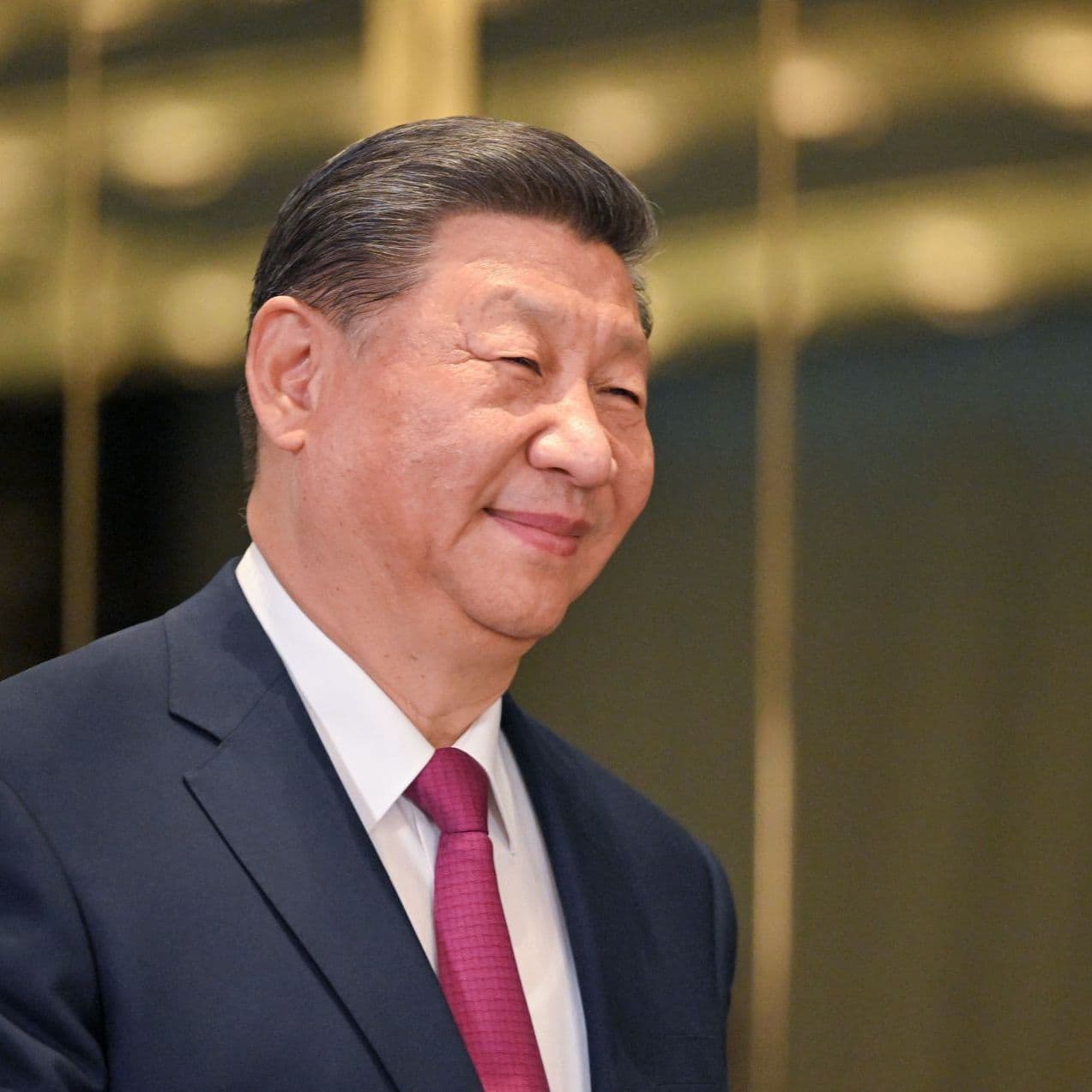
- Putin is scheduled to join Chinese President Xi Jinping and President Donald Trump for a trilateral summit on Thursday to discuss trade, technology, and broader geopolitical issues.
- Alexander Gabuev of the Carnegie Russia Eurasia Centre described Moscow as the 'weakest power' among the three nations, as observers note the Kremlin leader's outreach displays his rehabilitation efforts.
56 Articles
56 Articles

Speaking at the Asia-Pacific Economic Cooperation (APEC) forum on November 18, Vladimir Putin stated that Russia has become the largest economy in Europe, has successfully overcome Western sanctions, and has great logistical capabilities.


Putin Pitches Russia as the Place to Invest During Xi’s APEC
President Vladimir Putin said Russia was thriving despite international sanctions, touting it as a model partner and contrasting what he portrayed as his country’s positive outlook with those of a weakening Europe.

The President of the Kremlin addressed the APEC summit on 18 November with another criticism of the West, and Russian media distributed Putin's statement in China on the EU economy.

President Vladimir Putin told the leaders of the international business environment, gathered in China, that sanctions and efforts to keep Russia under control would only harm Western powers, while pleading for "a wider Eurasian partnership," reports Financial Times.

Coverage Details
Bias Distribution
- 46% of the sources lean Right


Factuality
To view factuality data please Upgrade to Premium