Nearly 40% of Global Population Exposed to Dangerous Ozone Pollution in 2026: Report
Asia was the most affected continent, and the report says wildfire smoke, heat and emissions are delaying progress.
- A new report from the Copernicus Atmosphere Monitoring Service reveals that nearly 40% of the Earth's population has been exposed to dangerous ground-level ozone so far in 2026, with findings covering data through the first eight months of the year.
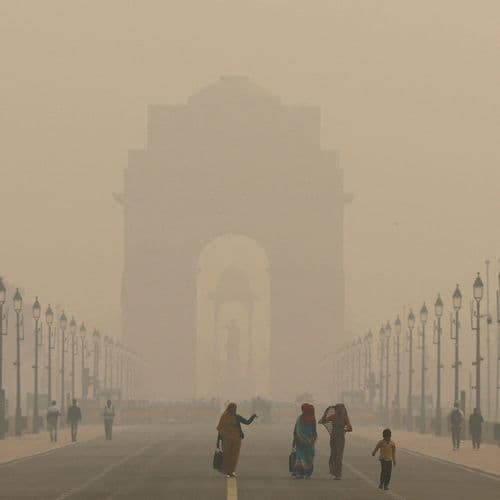
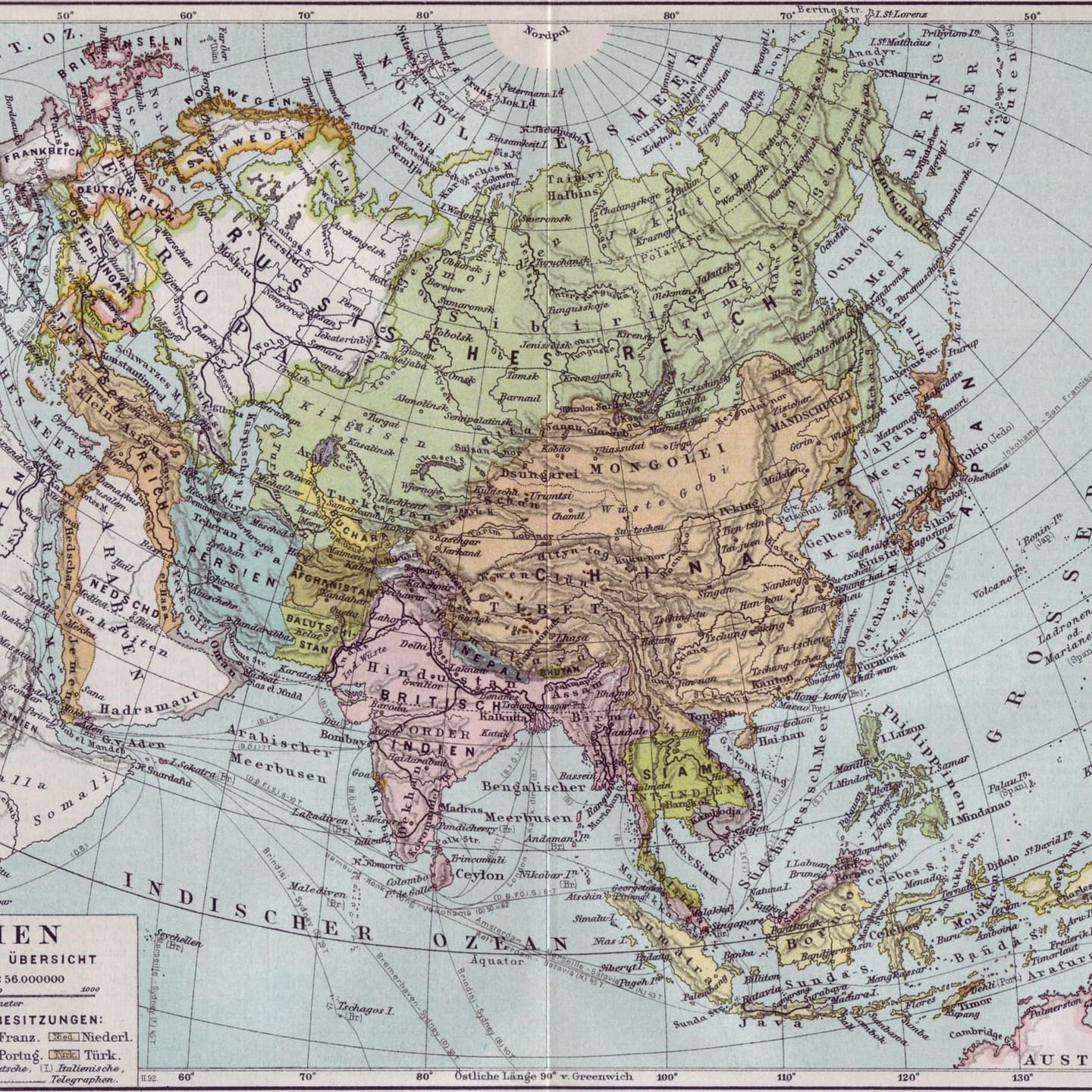
- Asia is the continent most impacted by ozone pollution, followed by Europe and North America, as widespread anthropogenic emissions and extreme wildfires delay progress across the Northern Hemisphere, according to the report.
- According to the American Lung Association, ozone exposure in the United States is higher than the past five years, with more than 4 in 10 people living in areas with unhealthy air pollution levels.
- Oceania, including Australia and New Zealand, ranked as one of the cleanest regions on the planet, with 100% of the population experiencing good and fair levels of ozone, CAMS says.
- Laurence Rouil, director of CAMS, said ozone pollution reminds us how interconnected our atmosphere, climate, health, and livelihoods are, ultimately governing our ability to grow food and sustain ecosystems.
24 Articles
24 Articles
 abc 6 Philadelphia


Nearly 40% of global population exposed to dangerous ozone pollution in 2026: Report
Widespread extreme heat and human-caused air pollution have exposed nearly 40% of the global population to dangerous levels of ground-level ozone so far this year.


During the first eight months of 2026, anthropogenic air pollution and extreme heat "met" in many regions of the planet, producing high levels of ground-level ozone.

Air quality deteriorated significantly in 2026. According to Copernicus, around 40 percent of the world's population was affected by high ozone levels.


This is another consequence of climate change: air pollution to ozone has affected 40% of the world's population at dangerous levels in 2026. The link with climate? Ozone is formed when certain pollutants react under the effect of sunlight combined with high temperature. Multiple heat waves have thus boosted the production of so-called ground-level ozone, that is, low altitude, where we breathe. These data are derived from the (...) Read more In…
Coverage Details
Bias Distribution
- 86% of the sources are Center


Factuality
To view factuality data please Upgrade to Premium