Published • loading... • Updated
Orionid meteor shower peaks tonight — Here's how to see it
NASA says the shower could produce 10 to 20 meteors per hour under dark skies, but a bright moon may hide the fainter streaks.
- On October 21, 2026, the Orionid meteor shower reaches its annual peak overnight into October 22, offering stargazers fast-moving "shooting stars" created by debris from Halley's Comet.
- These meteors originate from debris left by Halley's Comet, which orbits the Sun every 76 years and delivers two meteor showers annually: the Orionids in fall and the Eta Aquarids in May.
- NASA states the shower produces bright, fast meteors traveling at around 41 miles per second, often leaving glowing "trains" in their wake, with 10 to 20 meteors per hour expected under ideal conditions.
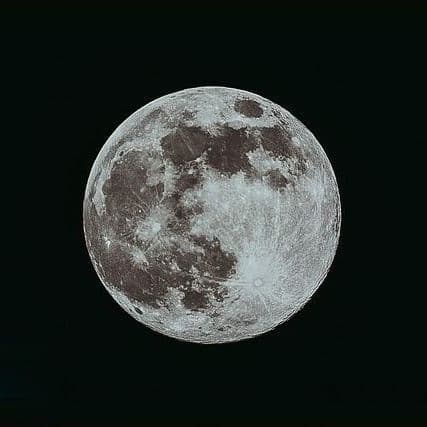
- A waxing moon four days from full may reduce visibility by drowning out fainter meteors, so astronomers suggest finding dark locations away from city lights and allowing 20 to 30 minutes for eyes to adjust.
- The Orionids remain active through November 22, 2026, providing further opportunities for stargazers to observe the shower if weather conditions permit viewing in the hours before dawn.
Insights by Ground AI
17 Articles
17 Articles


Orionid meteor shower tonight: What time to watch, where to look
·Woodland Park, United States
Read Full Article
The Orionid Meteor Shower Peaks Tonight — Here's When To Look
·Jersey City, United States
Read Full ArticleCoverage Details
Total News Sources17
Leaning Left4Leaning Right1Center10Last UpdatedBias Distribution66% Center
Bias Distribution
- 66% of the sources are Center
66% Center
L 27%
C 66%


Factuality
To view factuality data please Upgrade to Premium