Published • loading... • Updated
Orionid meteor shower peaks tonight — Here's how to see it
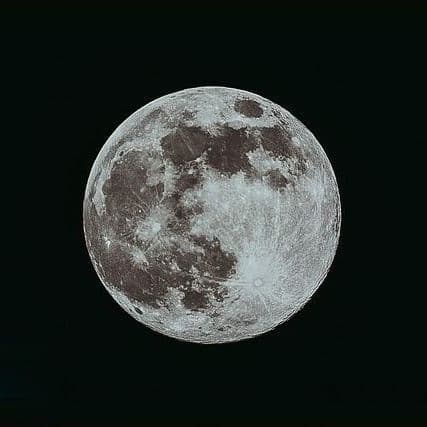
NASA says the shower’s bright, fast meteors may leave glowing trails, but a waxing gibbous moon could hide some of the dimmer streaks.
- The Orionid meteor shower peaks on Wednesday, Oct. 21, 2026, offering stargazers fast-moving shooting stars created by debris from Halley's Comet as Earth travels through its debris stream.
- Because debris from Halley's Comet enters Earth's atmosphere at 148,000 mph, these meteors are particularly fast, often leaving glowing "trains" or trails of light that persist for several seconds or minutes.
- Find a dark location away from city lights and allow your eyes 20 to 30 minutes to adjust to the darkness; NASA explains that patience is key to catching the display.
- Under ideal conditions, the shower can produce 10 to 20 meteors per hour, with optimal viewing occurring after the waxing gibbous moon sets and before dawn on Thursday.
- While the Orionids remain active through Nov. 7, the Leonids, which typically peak in mid-Nov., represent the next major annual meteor shower, as the parent comet Halley will not return until 2061.
Insights by Ground AI
16 Articles
16 Articles


Orionid meteor shower tonight: What time to watch, where to look
·Woodland Park, United States
Read Full Article
The Orionid Meteor Shower Peaks Tonight — Here's When To Look
·Jersey City, United States
Read Full ArticleCoverage Details
Total News Sources16
Leaning Left4Leaning Right1Center9Last UpdatedBias Distribution64% Center
Bias Distribution
- 64% of the sources are Center
64% Center
L 29%
C 64%


Factuality
To view factuality data please Upgrade to Premium