Netanyahu Bloc Leads After Half of Israeli Votes Counted but No Majority
Arab parties surged as record turnout left both blocs short of the 61 seats needed to govern, setting up coalition talks or another election.
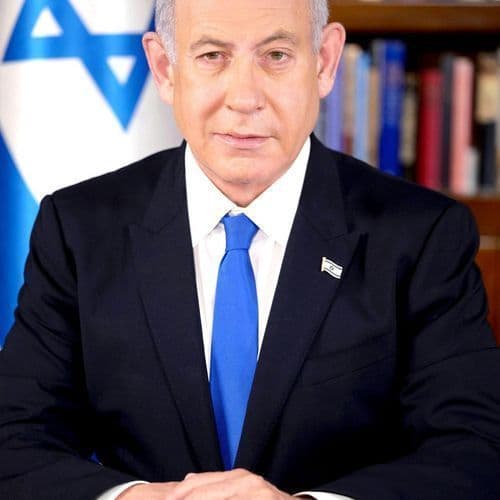
- On Wednesday, anxious Israelis awaited final results after a high-turnout election where exit polls showed no clear winner. Prime Minister Benjamin Netanyahu and centrist challenger Gadi Eisenkot each captured about 51 seats in the 120-seat Knesset.
- This race served as a referendum on Netanyahu's nearly unbroken 17-year rule, with election turnout reaching 77.7% of eligible voters. The Prime Minister had warned that Arab parties were heading to the polls in "unprecedented numbers," dismissing potential partnerships as treasonous.
- Eisenkot pledged to form a government after the vote, promising "a new era — an era of hope" in a speech focused on national unity. Arab-led factions appeared to secure about 18 seats, holding a potentially decisive position.
- As Netanyahu refuses to partner with Arab parties, whose constituents make up 20% of Israel's population, negotiating a majority coalition remains difficult. Eisenkot has left the door open for cooperation if parties recognize Israel as a Jewish state and Hamas as extremist.
- Israel faces weeks of political negotiating or another round of elections early next year with no clear path to a majority. The country previously held five elections between April 2019 and November 2022 due to similar stalemates.
728 Articles
728 Articles

Why is Israel still heading for political deadlock?
Israel's election has produced no clear winner. Prime Minister Benjamin Netanyahu may have performed better than expected, but his outgoing coalition lost roughly 20% of its strength and remains well short of a majority in the next Knesset. The anti-Netanyahu opposition has crossed the magic threshold of 61 seats, but is nowhere near being able […] The post Why is Israel still heading for political deadlock? appeared first on www.israelhayom.com.
 Svenska Dagbladet


The vote count in Israel's election is drawing to a close - with the major blocs still deadlocked. The Arab-Israeli opposition is well on its way to making its best election yet, and their mandates are being counted.


Neither coalition has enough votes, but to form alliances there are three major obstacles

Israel has voted, but the result of this Tuesday's elections does not provide a government solution, at least not an easy one. With the counting still to be finished, the Likud, Benjamin Netanyahu's party, would have been the most voted. However, neither he nor his main rival, Gadi Eisenkot, would have gotten the majority to form a government.In Israel it is a matter of reaching 61 seats to obtain a majority of government in the Knesset, the 120…

In Israel, after the Knesset elections, the situation was pathetic: neither Prime Minister Binyamin Netanyahu's camp nor the opposition camp led by former Chief Genstab Ghadi Aysenkot received the majority needed to form a government.
Coverage Details
Bias Distribution
- 39% of the sources lean Right


Factuality
To view factuality data please Upgrade to Premium