Published • loading... • Updated
Astro Bob: Harvest Moon Shines a Bountiful Light as Fall Begins
NASA says the Moon is 54% illuminated as it moves toward the Full Moon, with craters and Apollo landing sites visible through telescopes.
- The 2026 Harvest Moon will peak on Saturday, Sept. 26, at 12:49 p.m. ET, according to the Farmer's Almanac, as NASA's Daily Moon Guide tracker shows the moon currently in Waxing Gibbous phase with 54% of its surface visible.
- Marking the transition to fall, the autumnal equinox occurs on Tuesday, Sept. 22, at 7:05 p.m. when the sun crosses the celestial equator; the Harvest Moon is the full moon falling closest to this astronomical event.
- Farmers historically relied on this moon's light for late-season harvests, according to NASA. Because of its shallow path to the horizon, the moon rises only 15–20 minutes later each night in the Duluth area, defying the usual hour-long delay.
- Equinox conditions bring nearly 12 hours of daylight and 12 hours of night across much of the United States. As autumn begins, darkness arrives earlier, making constellations like Pegasus and Andromeda more visible in the eastern sky.
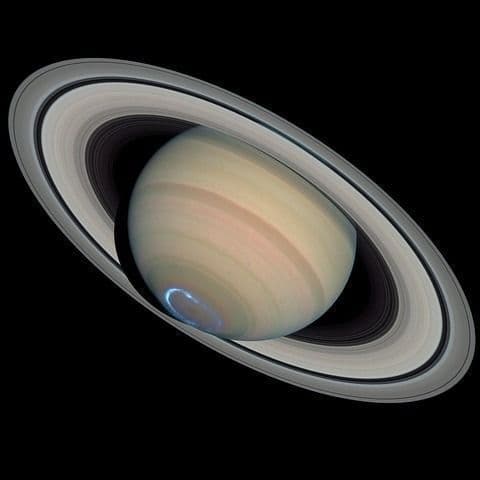
- Throughout autumn nights, stargazers can spot Saturn and bright stars like Capella throughout the season. With a telescope, observers might also see the Apollo 16 and 17 landing spots on the lunar surface.
Insights by Ground AI
17 Articles
17 Articles


Visually larger and tinted with warm shades at its rise, the Full Moon of the Moissons will be observed on Saturday 26 September 2026 in France. A celestial event marking the autumn equinox,

The Harvest Moon 2026 will arrive on September 26th. Find out what time to see it from Spain, why it receives this name and what stars, like Saturn and Neptune, will accompany it that night.
·Barcelona, Spain
Read Full ArticleCoverage Details
Total News Sources17
Leaning Left2Leaning Right5Center8Last UpdatedBias Distribution54% Center
Bias Distribution
- 54% of the sources are Center
54% Center
13%
C 54%
R 33%


Factuality
To view factuality data please Upgrade to Premium