Karina strengthens into a Category 4 hurricane in the Pacific far from land, forecasters say
The storm is expected to send dangerous surf and rip currents toward Mexico and Southern California, forecasters said.
- On Sunday, Hurricane Karina strengthened rapidly into a dangerous Category 3 storm in the Pacific Ocean, intensifying from 80 mph winds to 125 mph within hours, according to the National Hurricane Center in Miami.
- Meteorologists reported the storm organized much faster than expected over just a few hours, as Karina moved over very warm sea surface temperatures near 29°C in an environment highly conducive to further intensification.
- Centered about 960 miles west-southwest of Mexico's Baja California Peninsula and moving west at around 9 mph, Karina maintains top sustained winds of 125 mph with even stronger gusts.
- Despite no coastal warnings in effect, forecasters warned the powerful system is already pushing large ocean swells toward southwest Mexico and the Baja California Peninsula, creating dangerous surf and life-threatening rip currents over the next couple of days.
- Karina could strengthen further with peak winds potentially reaching 140 mph before gradually weakening later in the week, while Tropical Storm Lowell positioned about 985 miles east-southeast of Hilo, Hawaii, may become a hurricane by Monday night or Tuesday.
157 Articles
157 Articles

NHC expects between 5 and 13 tropical storms to occur in the Central Pacific between 1 June and 30 November, following extraordinary water warming caused by the El Niño phenomenon.

Hurricane Karina reaches category 4 in the Pacific; authorities rule out risk for Mexico although it is expected to swell in the region.


A large hurricane is category 3 or higher, with sustained maximum winds of at least 178 km/h (111 mph)

During the early hours of Monday, August 31, Hurricane "Karina" intensified to category 4; what effects does it generate in Mexico and what is its trajectory?


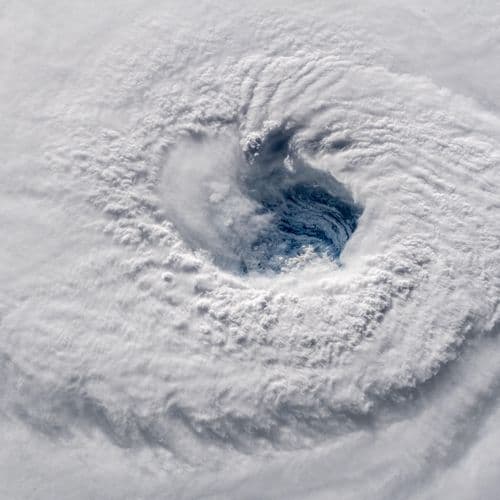
Hurricane Karina strengthened into a powerful Category 4 storm in the Pacific Ocean on Monday, but poses no threat to land, forecasters said.
Coverage Details
Bias Distribution
- 61% of the sources are Center


Factuality
To view factuality data please Upgrade to Premium