Floods bring rare relief to US Southwest reservoirs as Lake Powell rises 20 feet
The 1.6 million acre-feet that reached the reservoir in five weeks was the most for that stretch since 1963, Reclamation said.
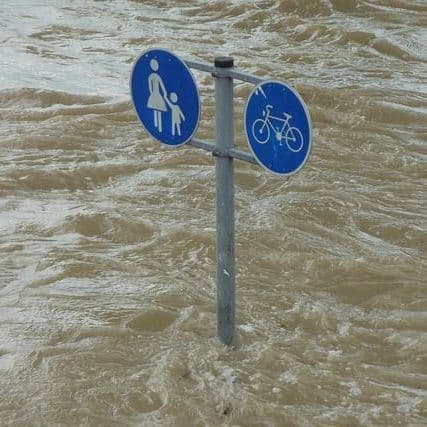
- An extreme El Niño funneled moisture into the Southwest, dumping more than 20 trillion gallons of rain across the Four Corners states and Nevada over two weeks, causing widespread flooding, evacuations, and infrastructure damage.
- Meteorologists characterize this as a "super duper" El Niño expected to peak in December, while human-caused climate change has warmed Pacific waters, intensifying these storms beyond historical norms.
- Rescuers conducted helicopter operations as floodwaters hit Pagosa Springs and Durango, Colorado, where one death was confirmed and another suspected weather-related. In Durango, resident Willow Bradner saw her home inundated by nearly 5 feet of water.
- Officials anticipate soon lifting evacuation orders impacting at least 20,000 residents as cleanup efforts begin. The Colorado Secretary of State's office arranged alternative voting plans for displaced residents ahead of Election Day.
- Persistent storminess is expected through winter, potentially aiding the Colorado River's largest reservoirs, Lake Powell and Lake Mead. However, experts warn these inflows cannot reverse the system's long-term precipitous decline.
121 Articles
121 Articles

Recent flooding across the Southwest is providing rare relief to thirsty reserves that had fallen to record lows a yearlong megadrought, per the AP. Storms in late October and early November sent torrents of water through normally small or dry creeks that overflowed their banks and flooded local communities....


The flood is still arriving at Lake Powell: the biggest day since October 22 came after the rain stopped
The flood is still arriving at Lake Powell: the biggest day since October 22 came after the rain stopped mps-post Fri, 11/06/2026 - 06:17 Image (Kiowa County Press) The rain over the San Juan Mountains ended Monday morning. Wednesday, Lake Powell took in 53,300 cubic feet per second, the most water in a single day since October 22 and the second-largest day of the whole fall. The U.S. Bureau of Reclamation's daily record put the lake at 3,535.…
Coverage Details
Bias Distribution
- 64% of the sources are Center


Factuality
To view factuality data please Upgrade to Premium