Death Toll From Nepal Flash Floods May Near 10,000
Kathmandu is pressing for compensation and concessional climate finance after a $4.78 billion reconstruction bill from the latest disaster, officials said.
- Nepal Finance Minister Swarnim Wagle visited Delhi last week for a three-day trip, meeting Finance Minister Nirmala Sitharaman and Foreign Minister Jaishankar to discuss bilateral economic ties and disaster recovery efforts.
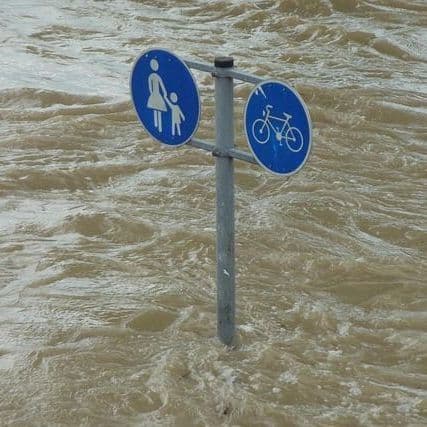
- Dubbed a 'Himalayan Tsunami,' flash floods across Nepal's Bhotekoshi and Trishuli river basins have caused widespread destruction, leaving 1,450 dead and 6,000 missing as of Sunday.
- With a reconstruction bill of $4.78 billion, nearly 10 per cent of its GDP, the human toll is described as massive as the 2015 earthquake, though authorities have identified only 105 bodies.
- Kathmandu is pivoting toward a framework of financial liability, moving away from a 'paradigm of charity' while pressing India and China for disaster cooperation and regional resilience support.
- Prime Minister Balendra Shah will address the UN General Assembly on September 24, advocating for a Regional Himalayan Risk & Insurance Facility to ensure predictable financial flows for reconstruction efforts.
11 Articles
11 Articles
 The Independent
 The Independent (US)
Death toll from Nepal flash floods may near 10,000
Minister says toll may match 2015 earthquake’s


On the way to Rastatt, an engineer from Karlsruhe hears about the flood in Nepal. The news from his old home still meets him personally today.

The Bhotekoshi Floods and the Price of Climate Finance Delay - Nepal Economic Forum
The Bhotekoshi floods expose a global climate finance system that has failed Nepal on both delivery and speed, even though Nepal contributes almost nothing to the emissions driving the crisis. The disaster is a test case for climate justice, urging faster payouts, better risk assessment, and stronger domestic institutions to manage the funds Nepal does secure.

After the flood in the Himalayas Nepal demands climate justice. Why the big issuers hardly pay and the Loss and Damage Fund remains unused so far.

Yes, climate change is a cause of the disaster in Nepal. But the fact that the damage is so enormous is also due to the fact that insufficient account was taken of the risks when building infrastructure. The question now is: who will bear the cost of the damage?
Coverage Details
Bias Distribution
- 100% of the sources lean Left


Factuality
To view factuality data please Upgrade to Premium