Colombia Recognises Israeli Claim over the Golan Heights
The move deepens security and economic ties with Israel as Colombia reverses policies under former President Gustavo Petro.
- On Monday, Colombia, under President Abelardo de la Espriella, recognized Israeli sovereignty over the Golan Heights, aligning with the United States on a major diplomatic issue.
- This shift reverses the policies of former President Gustavo Petro, who severed diplomatic ties with Israel in 2024 and ordered a diplomatic mission in Ramallah.
- Last Thursday, Foreign Minister Gideon Sa'ar met with De la Espriella in Barranquilla to discuss regional security, citing persistent threats along Israeli borders.
- The government plans to relocate Colombia's embassy in Israel from Tel Aviv to Jerusalem and restore full diplomatic relations, dismantling much of Petro's previous policy.
- Sa'ar designated 2026 as a year of strategic focus on Latin America and intends to persuade additional countries to recognize Israeli sovereignty, where Israel extended its law 45 years ago.
77 Articles
77 Articles

Colombia and Israel’s Cynical Disaster Diplomacy
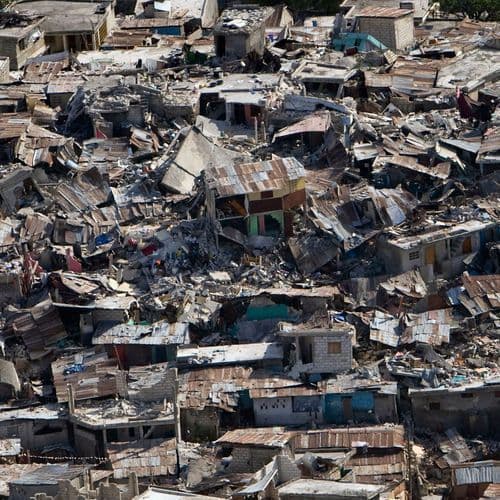
On the morning of August 10, a powerful 7.4 magnitude earthquake struck western Colombia, leaving nearly three hundred people dead, four thousand injured, and potentially thousands more missing by the latest count. The crisis created an early test for new far-right President Abelardo de la Espriella, who was inaugurated days before. A few hours after the quake, as Colombians still lay under the rubble of destroyed buildings, the government publi…

Arab Parliament: The Golan is occupied Syrian territory
Cairo, Aug. 12 (SANA) Arab Parliament Speaker, Mohammed bin Ahmed Al Yamahi, affirmed Wednesday that the Golan is an occupied Arab Syrian territory and that no stance or declaration by an individual state can alter its legal status or affect the Syrian Arab Republic’s established rights over it. “We strongly condemn Colombia’s recognition of Israeli occupation sovereignty over the occupied Syrian Golan,” Al Yamahi said in a statement, describing…

Abelardo De La Espriella provides continence after taking office as the new president of the country during the ceremony of possession, in Cali, Colombia, on August 7, 2026 REUTERS/Luisa Gonzalez With less than a week of government, the new president of Colombia, Abelardo de la Espriella, has already engaged in a diplomatic crisis. The Espriella management recognized Israel's sovereignty over the Golan Heights, which generated widespread condemn…

Arab reactions are mounting against the new Colombian government's decision to recognize what it calls "Israeli sovereignty" over the occupied Syrian Golan Heights, a move that has drawn widespread criticism as it contravenes international law and UN resolutions.


Coverage Details
Bias Distribution
- 43% of the sources lean Left


Factuality
To view factuality data please Upgrade to Premium