Community, Congressional Leaders React to Supreme Court Decision Upholding Birthright Citizenship - Rafu Shimpo
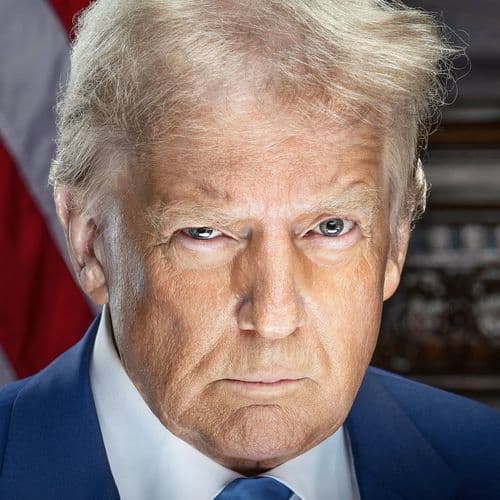
Justices upheld the 14th Amendment's Citizenship Clause, affirming that birthright citizenship cannot be revoked by presidential executive order, a move President Trump sought to enact.
- On June 30, the Supreme Court ruled 6-3 that President Donald Trump cannot unilaterally end birthright citizenship through Executive Order. The decision affirms children born in the United States are citizens by birth.
- Seeking to redefine citizenship, Trump signed an Executive Order on his first day in office last year to exclude children born to undocumented or temporary residents from automatic citizenship.
- Chief Justice John Roberts wrote in the majority opinion that birthright citizenship is embedded in common law and codified in the 14th Amendment. The Court relied on the 1898 Wong Kim Ark decision.
- Three justices—Clarence Thomas, Samuel Alito, and Neil Gorsuch—dissented, arguing the Constitution does not automatically cover all US-born children. Justice Brett Kavanaugh concurred but suggested Congress could enact new legislation.
- While supporters view the ruling as a victory for a multiracial democracy, critics warn the administration's anti-immigration campaign continues. The 6-3 vote reflects deep divisions on the nation's 250th anniversary.
9 Articles
9 Articles

Editorial: Citizenship ruling rare court positive - American Press
The U.S. Supreme Court gave President Donald Trump pretty much everything he asked for during its term that just ended but one decision was a defeat for the president — birthright citizenship. One example of giving Trump what he wanted was a decision that allows the government to end deportation protection for Haitians and Syrians in the U.S. who have fled violence and natural disasters. Trump’s administration revoked their temporary protected s…


Where is the outrage over our stolen birthright?
Eleven years after the Supreme Court redefined marriage, the robed kings are now attempting to redefine American citizenship.Notice that I said “are attempting,” not “have redefined.”‘Whenever a free people should give up in absolute submission to any department of government, retaining for themselves no appeal from it, their liberties were gone.’Court orders are not self-executing. Nor are they universally binding on the coordinate branches tha…

United States: Supreme Court upholds birthright citizenship
The US Supreme Court ruled on June 30 that President Donald Trump could not end birthright citizenship by Executive Order. Understanding that this is a setback but not a crushing defeat for the racist forces is important for organising the next stage in the fight back, argues Malik Miah.

SCOTUS Strikes Down Trump’s Attempt to End Birthright Citizenship
The Supreme Court on Friday struck down President Donald Trump’s effort to end birthright citizenship, ruling 6-3 that the administration’s executive action violated the Constitution and reaffirming that citizenship extends to nearly all people born on U.S. soil. The decision marks one of the administration’s most significant legal defeats and preserves a constitutional guarantee established...

The Supreme Court Judgment on Birthright Citizenship Was Wrong But The Dissenting Opinions Were a Triumph of Scepticism
The Supreme Court judgment on birthright citizenship was wrong, but the dissenting opinions – from Samuel Alito and Clarence Thomas – were a triumph of scepticism, says Professor James Alexander. The post The Supreme Court Judgment on Birthright Citizenship Was Wrong But The Dissenting Opinions Were a Triumph of Scepticism appeared first on The Daily Sceptic.


Coverage Details
Bias Distribution
- 57% of the sources lean Right


Factuality
To view factuality data please Upgrade to Premium