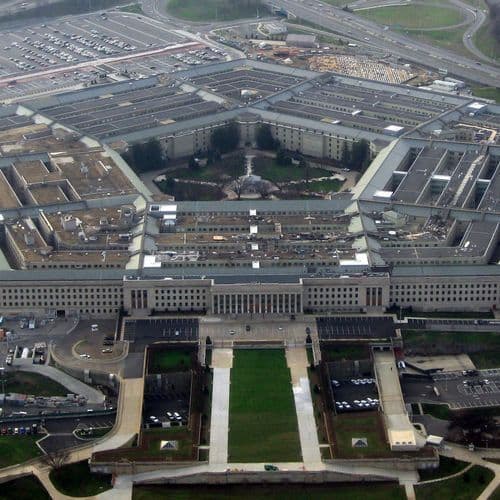
30 Years of Neglect: AI Exposes the Pentagon's Weaknesses
Officials say AI has driven a tenfold rise in detectable flaws, pushing the Pentagon to seek new defense tools after years of deferred maintenance.
9 Articles
9 Articles


AI has turned the Pentagon's outdated computer networks into a threat to national security — The Washington Post
AI has turned the Pentagon's outdated computer networks into a threat to national security — The Washington Post.Over the past 30 years, the agency has postponed their modernization, focusing on armament. The article adds that neural networks, as they...

Top cyber general warns of Pentagon 'peril' as tech vulnerability spikes
The U.S. military's cyber defense chief says artificial intelligence has caused a "tenfold" spike in vulnerabilities across the Pentagon's aging computer networks, exposing systems that have gone without major upgrades for nearly 30 years to a new generation of AI-powered attacks.Lt. Gen. Paul Stanton, who leads the Army's cyber defense command, told attendees at last week's Billington CyberSecurity Summit in Washington that the Defense Departme…
 The Washington Post
 OODA Loop
AI has transformed the Pentagon’s aging networks into a national security risk
Outdated networks face growing cyber threats as AI makes it easier for adversaries to exploit vulnerabilities and launch disruptive attacks.

It has been argued that the US Department of Defense's failure to upgrade its aging computer technology in a timely manner has left it vulnerable to AI-driven cyberattacks, posing an urgent threat to national security.

It has been alleged that the US Department of Defense (Pentagon) has become vulnerable to "disruptive attacks that could significantly jeopardize its digital data" due to its failure to invest in aging computer technology in a timely manner.
Coverage Details
Bias Distribution
- 50% of the sources lean Left, 50% of the sources lean Right


Factuality
To view factuality data please Upgrade to Premium