UK Says New Israel Sanctions Leave Arms Licences Unchanged
United Kingdom
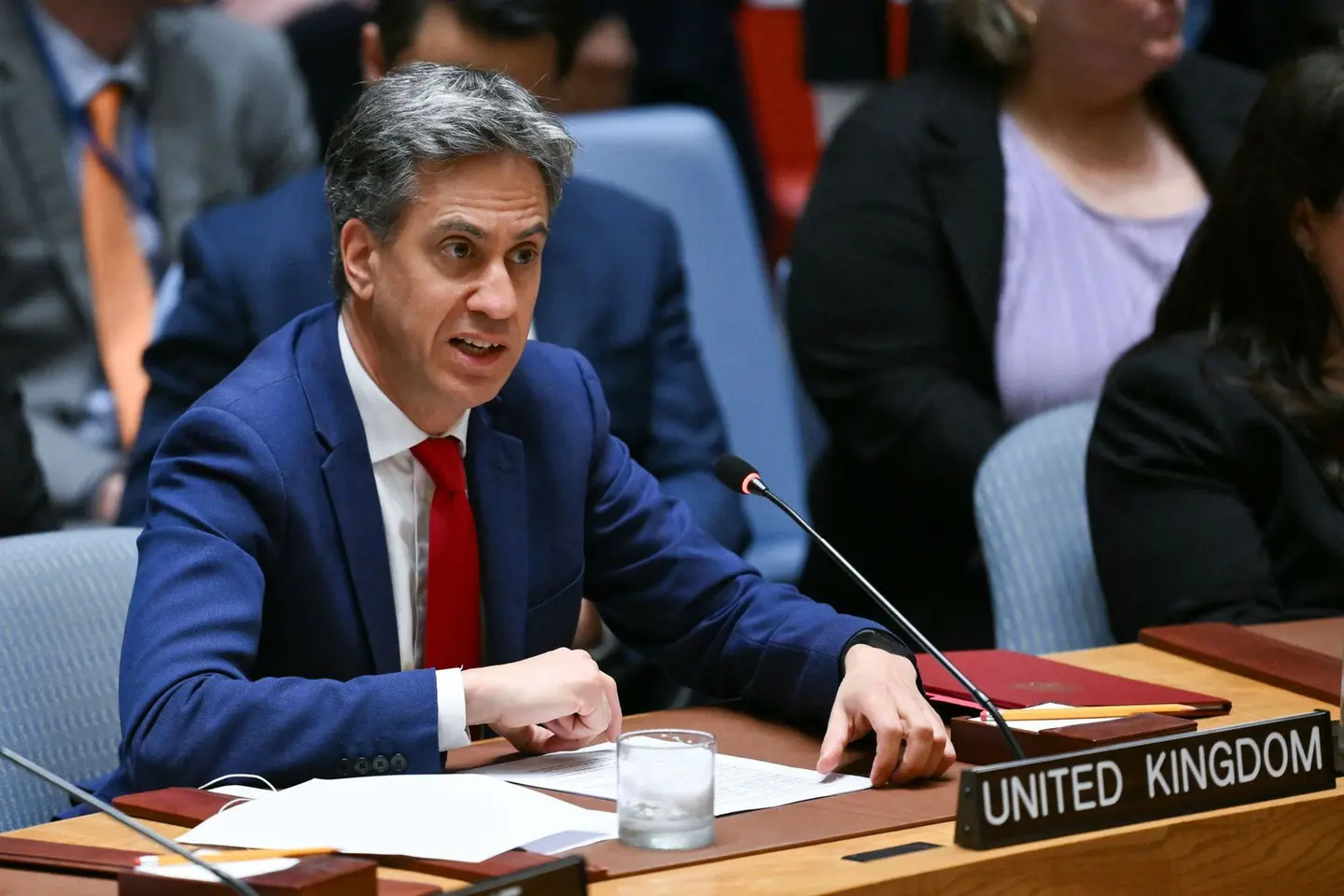
ANGELA WEISS / AFP via Getty Images/Getty




What Happened
What Happened
Where Left Sources Focus
- Sanctions Ineffectiveness: Left-leaning sources emphasize that new UK sanctions are largely cosmetic, noting that zero new arms licenses have been revoked or suspended. They characterize the policy as a 'soundbite' failing to address loopholes that allow F-35 components and trainer aircraft parts to continue flowing to Israel, according to parliamentary disclosures and CAAT reports.
- Humanitarian and Legal Complicity: Progressive outlets highlight government complicity in potential war crimes, citing internal Foreign Office assessments that warned of humanitarian law breaches. They report that officials were instructed to avoid terms like 'genocide' and argue that the government maintained arms exports despite receiving graphic evidence of civilian deaths, based on Channel 4 investigations.
Where Center Sources Focus
- Legal and Trade Framework: Center-leaning sources detail the complex legal framework governing sanctions, specifically the Sanctions and Anti-Money Laundering Act 2018 and the UK-Israel Trade and Partnership Agreement. They note that complying with boycotts poses significant legal and financial risks for British companies operating in jurisdictions with anti-boycott laws, such as Florida.
- US Diplomatic Context: Center sources extensively cover the diplomatic friction between the US and the UK regarding the sanctions. They reveal that US officials drafted memos condemning the UK's move as 'hostile' and antisemitic, highlighting internal disagreement within the US administration, based on reporting from Reuters and US official sources.
What's Largely Absent from Each Side
- Left sources rarely mention: Left sources rarely mention the US diplomatic friction surrounding the sanctions, including the existence of internal draft memos from US officials condemning the UK's policy. Center outlets feature these details prominently, providing essential international political context regarding the UK's move against Israeli settlement trade.
- Center sources rarely mention: Center coverage largely omits the detailed humanitarian incident reports and internal warnings regarding potential war crimes that left outlets emphasize. These reports, including evidence of civilian deaths and legal expert testimonies, are central to the progressive framing of the UK's arms export policy.
Rare Agreement
- Sanctions Announcement Context: Despite divergent coverage patterns, sources across the spectrum agree that the UK government formally announced new sanctions in September 2026, which specifically target trade with illegal settlements in the West Bank.
Timeline
September 24, 2026
Investigation reveals internal approvals: A Channel 4 Dispatches investigation published in late September 2026 revealed hundreds of internal Foreign Office assessments showing ministers continued to approve arms exports to Israel despite receiving warnings that its conduct in Gaza could breach international humanitarian law. The programme found officials often deemed evidence 'inconclusive' and critics said the system was 'broken.'
September 23, 2026
Legal experts and NGOs condemn limits: Over 130 legal experts and human-rights groups said the announced measures fall short of U.K. obligations and called for a comprehensive arms embargo; NGOs such as CAAT and GLAN warned of loopholes that allow continued supply of fighter‑jet parts and other military items. They contrasted the U.K.'s narrow approach with broader sanctions used elsewhere and urged stronger action.
September 16, 2026
Disclosures show no licences revoked: By September 16, 2026 disclosures to Parliament and responses to MPs revealed the sanctions regime had not resulted in any weapons export licences to Israel being suspended or revoked, with officials acknowledging no additional licences had been cancelled since September 8. Critics said this validated warnings that the measures were 'skin-deep.'
Summary by Ground AI
Sources
See All 14A varied selection of sources chosen by Ground to reflect the diversity of this story’s coverage.
Most Written About
The stories getting the most coverage from the last 24 hours






Timeline
September 24, 2026
Investigation reveals internal approvals: A Channel 4 Dispatches investigation published in late September 2026 revealed hundreds of internal Foreign Office assessments showing ministers continued to approve arms exports to Israel despite receiving warnings that its conduct in Gaza could breach international humanitarian law. The programme found officials often deemed evidence 'inconclusive' and critics said the system was 'broken.'
September 23, 2026
Legal experts and NGOs condemn limits: Over 130 legal experts and human-rights groups said the announced measures fall short of U.K. obligations and called for a comprehensive arms embargo; NGOs such as CAAT and GLAN warned of loopholes that allow continued supply of fighter‑jet parts and other military items. They contrasted the U.K.'s narrow approach with broader sanctions used elsewhere and urged stronger action.
September 16, 2026
Disclosures show no licences revoked: By September 16, 2026 disclosures to Parliament and responses to MPs revealed the sanctions regime had not resulted in any weapons export licences to Israel being suspended or revoked, with officials acknowledging no additional licences had been cancelled since September 8. Critics said this validated warnings that the measures were 'skin-deep.'


