Schumer Urges FCC to Reject Club for Growth AI Robocall Petition
United States
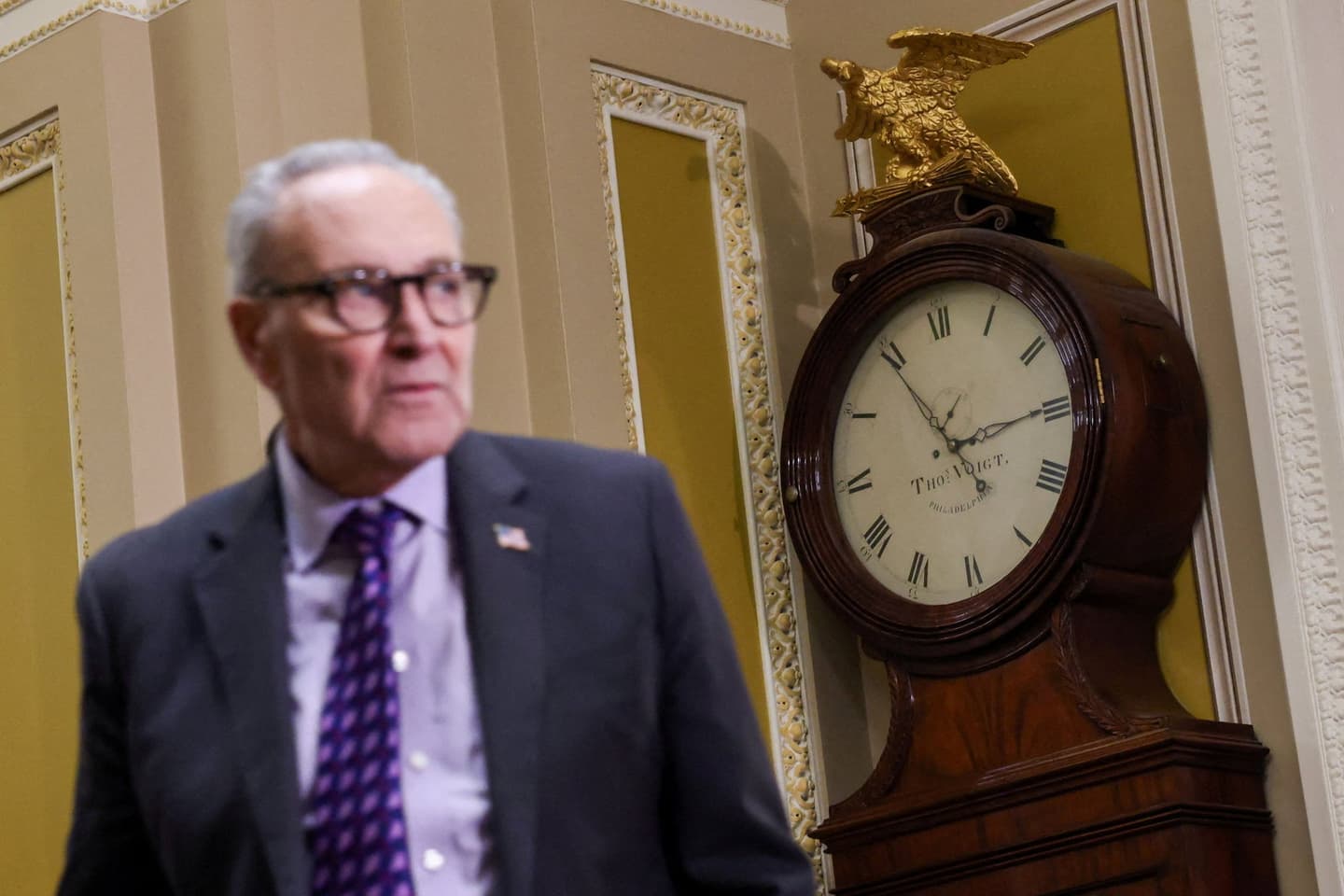
Kylie Cooper/Reuters




What Happened
What Happened
Where Center Sources Focus
- Misinformation and Election Risks: Center-leaning reports highlight Senator Chuck Schumer’s opposition to the Club for Growth’s AI robocall petition, emphasizing risks of deepfakes and misinformation. Sources cite Schumer’s warnings about election integrity and recall the FCC’s previous $6 million fine against a consultant for AI-generated calls mimicking President Biden.
- First Amendment Parity Argument: Coverage of the Club for Growth’s petition details the group’s argument for First Amendment parity, asserting that political speech should be treated like routine service calls. Reports cite President David McIntosh’s statement and note the system utilizes a human operator to initiate mass text messages.
What's Largely Absent from Each Side
- Center sources rarely mention: Coverage focusing on the legal mechanism of the petition often omits detailed analysis of the practical threats to voter trust and democratic processes posed by AI-generated deepfakes, which are emphasized in reports detailing Schumer’s opposition.
- Center sources rarely mention: Reports emphasizing the dangers of misinformation rarely detail the technical 'human-in-the-loop' mechanism described in the petition, which serves as the core legal basis for the Club for Growth's request for exemption from prior consent rules.
Rare Agreement
- Regulatory Timeline: Sources across the board agree on the critical regulatory timeline, noting the public comment period closes Monday and the FCC could take action this week ahead of the November 3 election.
Timeline
October 19, 2026
Comment period nears expiry: Reporters noted the public comment period was expiring on Monday, meaning the FCC could take action this week ahead of the Nov. 3 election; multiple public-interest groups and Democratic FCC Commissioner Anna Gomez urged the FCC not to grant the petition, while the FCC described the system as relying on a perfunctory human to transmit mass messages.
October 19, 2026
Schumer urges FCC rejection: Senate Democratic leader Chuck Schumer publicly urged the FCC not to approve the petition, warning campaigns could use opponents' voices to send disingenuous or false messages and calling out the risk of deepfakes and dark-money-funded AI voices. He also cited a 2024 FCC proposed $6 million fine over fake robocalls as context for the concern.
October 19, 2026
Group's spending and defense: The group says it plans to spend about $175 million in the midterm congressional elections and its president, David McIntosh, argued the FCC should treat political AI calls like other wireless calls protected by the First Amendment. That defense was made in statements reported earlier this month.
Summary by Ground AI
Sources
See All 22A varied selection of sources chosen by Ground to reflect the diversity of this story’s coverage.
Most Written About
The stories getting the most coverage from the last 24 hours



Timeline
October 19, 2026
Comment period nears expiry: Reporters noted the public comment period was expiring on Monday, meaning the FCC could take action this week ahead of the Nov. 3 election; multiple public-interest groups and Democratic FCC Commissioner Anna Gomez urged the FCC not to grant the petition, while the FCC described the system as relying on a perfunctory human to transmit mass messages.
October 19, 2026
Schumer urges FCC rejection: Senate Democratic leader Chuck Schumer publicly urged the FCC not to approve the petition, warning campaigns could use opponents' voices to send disingenuous or false messages and calling out the risk of deepfakes and dark-money-funded AI voices. He also cited a 2024 FCC proposed $6 million fine over fake robocalls as context for the concern.
October 19, 2026
Group's spending and defense: The group says it plans to spend about $175 million in the midterm congressional elections and its president, David McIntosh, argued the FCC should treat political AI calls like other wireless calls protected by the First Amendment. That defense was made in statements reported earlier this month.


