Iran has conveyed to the US conditions for reopening the Strait of Hormuz
Iran
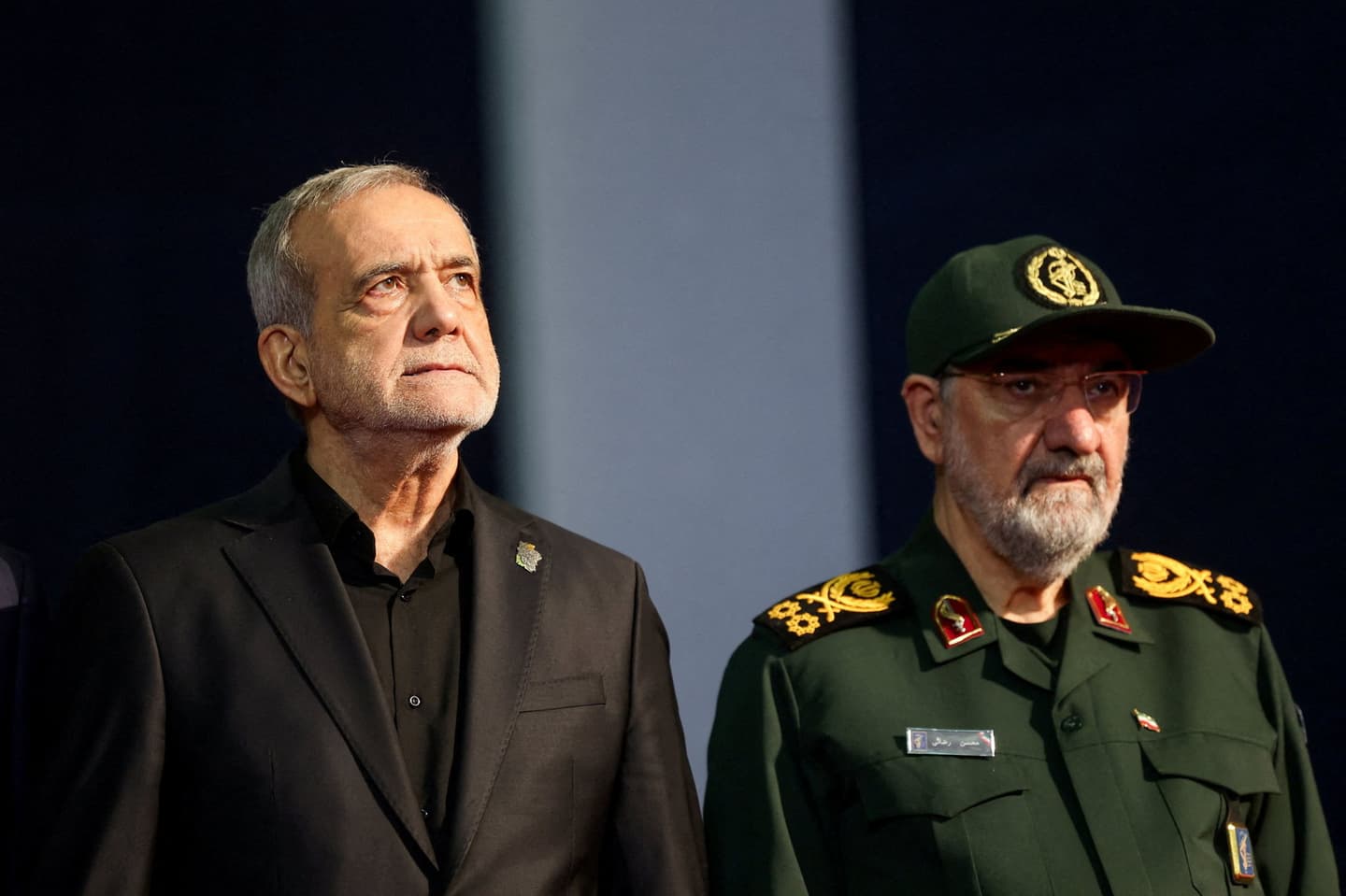
Mohammed Salem/Reuters




What Happened
What Happened
Where Sources Agree
- arrows_inputIran Communicates Peace Terms: Coverage broadly details that Iran has communicated seven conditions to the United States via Qatari mediators to end the ongoing war and is awaiting a response from President Donald Trump, per statements from Mohsen Rezaei, secretary of Iran's Supreme National Security Council.
- arrows_inputIran Submits Conditions to US: Predominant reporting shows Iran has communicated seven specific conditions for ending the war and reopening the Strait of Hormuz to the United States via Qatari mediators, with Tehran now awaiting a formal response from President Donald Trump, according to Supreme National Security Council Secretary Mohsen Rezaei.
Where Sources Disagree
- arrows_outputStrait of Hormuz Reopening Terms: While security chief Mohsen Rezaei identifies conditions for reopening the Strait of Hormuz as an end to the war, the release of frozen funds, and lifting the naval blockade, political adviser Mohammad Bagher Zolghadr contends the strait will remain closed until President Donald Trump and Prime Minister Benjamin Netanyahu are removed from power.
- arrows_outputNegotiating Conditions Count: Reports differ regarding the number of conditions Iran presented for negotiations, with some outlets citing seven conditions while others focus on a specific set of three demands: ending the war, releasing frozen funds, and lifting the naval blockade.
Timeline
September 20, 2026
Tehran awaits US reply; warns escalation: By September 20, 2026 Tehran and its officials reiterated the Strait would remain closed until U.S. commitments were met, warned they were prepared for a "decisive war" if demands were rejected, and Iran claimed recent anti‑ship missile tests near U.S. vessels as the U.S. military continued escorting large volumes of oil and commercial vessels through the Gulf.
September 19, 2026
Iran sends seven conditions: In mid‑September Iran, through security chief Mohsen Rezaei and mediators in Qatar and Pakistan, conveyed seven conditions for re‑engaging in negotiations with Washington — including an end to fighting on all fronts, release of frozen Iranian funds and lifting the naval blockade — and said it was awaiting President Trump's response.
September 17, 2026
Adviser demands Hormuz closed: On September 17, 2026 Mohammad Bagher Zolghadr, a political adviser to Iran's supreme leader, publicly said the Strait of Hormuz would remain closed until U.S. President Donald Trump and Israeli Prime Minister Benjamin Netanyahu were removed from power, framing the closure as the first stage of Iran's revenge.
Perspectives and Debates
Is Iran's proposal a genuine diplomatic opening or a tactical posture paired with escalation threats?
Summary by Ground AI
Sources
See All 408A varied selection of sources chosen by Ground to reflect the diversity of this story’s coverage.
Most Written About
The stories getting the most coverage from the last 24 hours




Timeline
September 20, 2026
Tehran awaits US reply; warns escalation: By September 20, 2026 Tehran and its officials reiterated the Strait would remain closed until U.S. commitments were met, warned they were prepared for a "decisive war" if demands were rejected, and Iran claimed recent anti‑ship missile tests near U.S. vessels as the U.S. military continued escorting large volumes of oil and commercial vessels through the Gulf.
September 19, 2026
Iran sends seven conditions: In mid‑September Iran, through security chief Mohsen Rezaei and mediators in Qatar and Pakistan, conveyed seven conditions for re‑engaging in negotiations with Washington — including an end to fighting on all fronts, release of frozen Iranian funds and lifting the naval blockade — and said it was awaiting President Trump's response.
September 17, 2026
Adviser demands Hormuz closed: On September 17, 2026 Mohammad Bagher Zolghadr, a political adviser to Iran's supreme leader, publicly said the Strait of Hormuz would remain closed until U.S. President Donald Trump and Israeli Prime Minister Benjamin Netanyahu were removed from power, framing the closure as the first stage of Iran's revenge.


