Vance Says Iran Must Cut Enrichment to Reach War Deal
United States
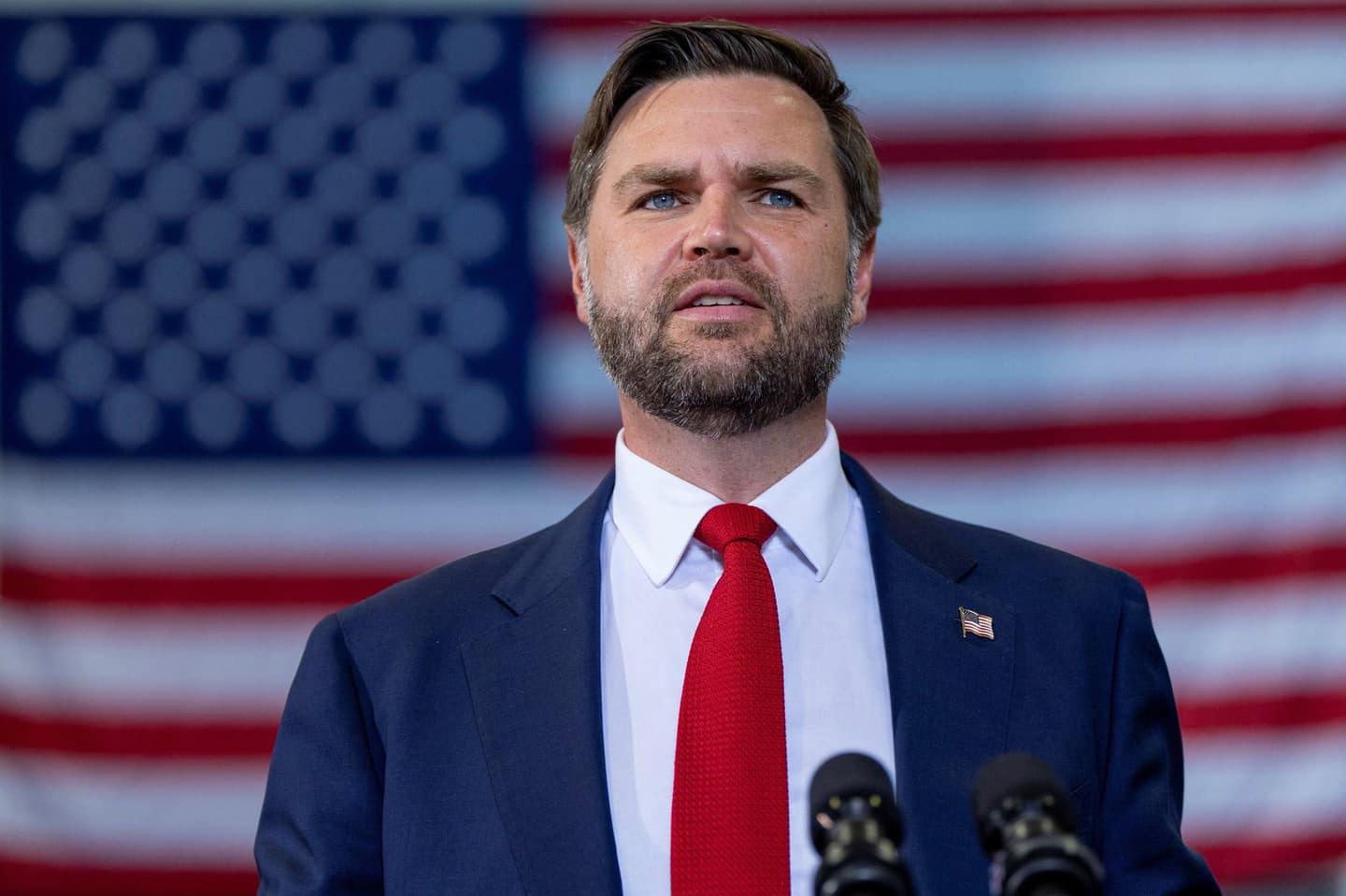
Alex Brandon/Reuters
Source Analysis




What Happened
What Happened
Where Sources Agree
- arrows_inputEnrichment Reduction Demands: Coverage confirms Vice President JD Vance is demanding Iran enact a "meaningful" reduction in its nuclear enrichment capacity; specifically, he identified the 60% enrichment threshold as a key barrier to any deal, according to a Reuters interview.
- arrows_inputNuclear Concessions Required: Coverage highlights Vance’s demand for concrete nuclear enrichment reductions, framing it as a necessary shift from trading 'words for actions' to reach an agreement, according to a Reuters interview.
Where Sources Disagree
- arrows_outputIranian Leadership Decision-Making: US officials state they are uncertain who holds decision-making authority in Tehran. In contrast, Iranian officials reject this characterization, asserting that Washington is well aware of how Iran’s government operates and that the claim reflects contradictory messaging from the US.
Timeline
October 7, 2026
War's political, economic fallout: Reporters noted the seven-month war has jolted global energy markets and is costing about $3 billion a month, becoming a major issue ahead of the November midterms; the U.S. and Iran have exchanged proposals but President Trump rejected Tehran's latest offer and warned operations could intensify after the elections.
October 6, 2026
Unclear who decides in Tehran: Vance said Washington was uncertain who makes decisions in Iran following joint U.S.-Israeli strikes that killed Supreme Leader Ayatollah Ali Khamenei, complicating negotiations; he added the U.S. remained open to a deal but would require concrete Iranian concessions and would "not trade words for actions."
October 6, 2026
Vance demands enrichment cuts: Speaking after a campaign trip in Alaska, Vice President JD Vance told Reuters Iran must make a "meaningful" reduction in its nuclear enrichment capacity — questioning Tehran's need for uranium enriched to 60% — as a precondition to end the seven-month war.
Perspectives and Debates
Does Washington's demand for reduced Iranian enrichment leave room for a compromise?
Summary by Ground AI
Sources
See All 143A varied selection of sources chosen by Ground to reflect the diversity of this story’s coverage.
Most Written About
The stories getting the most coverage from the last 24 hours


Source Analysis
Timeline
October 7, 2026
War's political, economic fallout: Reporters noted the seven-month war has jolted global energy markets and is costing about $3 billion a month, becoming a major issue ahead of the November midterms; the U.S. and Iran have exchanged proposals but President Trump rejected Tehran's latest offer and warned operations could intensify after the elections.
October 6, 2026
Unclear who decides in Tehran: Vance said Washington was uncertain who makes decisions in Iran following joint U.S.-Israeli strikes that killed Supreme Leader Ayatollah Ali Khamenei, complicating negotiations; he added the U.S. remained open to a deal but would require concrete Iranian concessions and would "not trade words for actions."
October 6, 2026
Vance demands enrichment cuts: Speaking after a campaign trip in Alaska, Vice President JD Vance told Reuters Iran must make a "meaningful" reduction in its nuclear enrichment capacity — questioning Tehran's need for uranium enriched to 60% — as a precondition to end the seven-month war.


