Hawley Backs Data Center Moratorium as Backlash Grows
United States
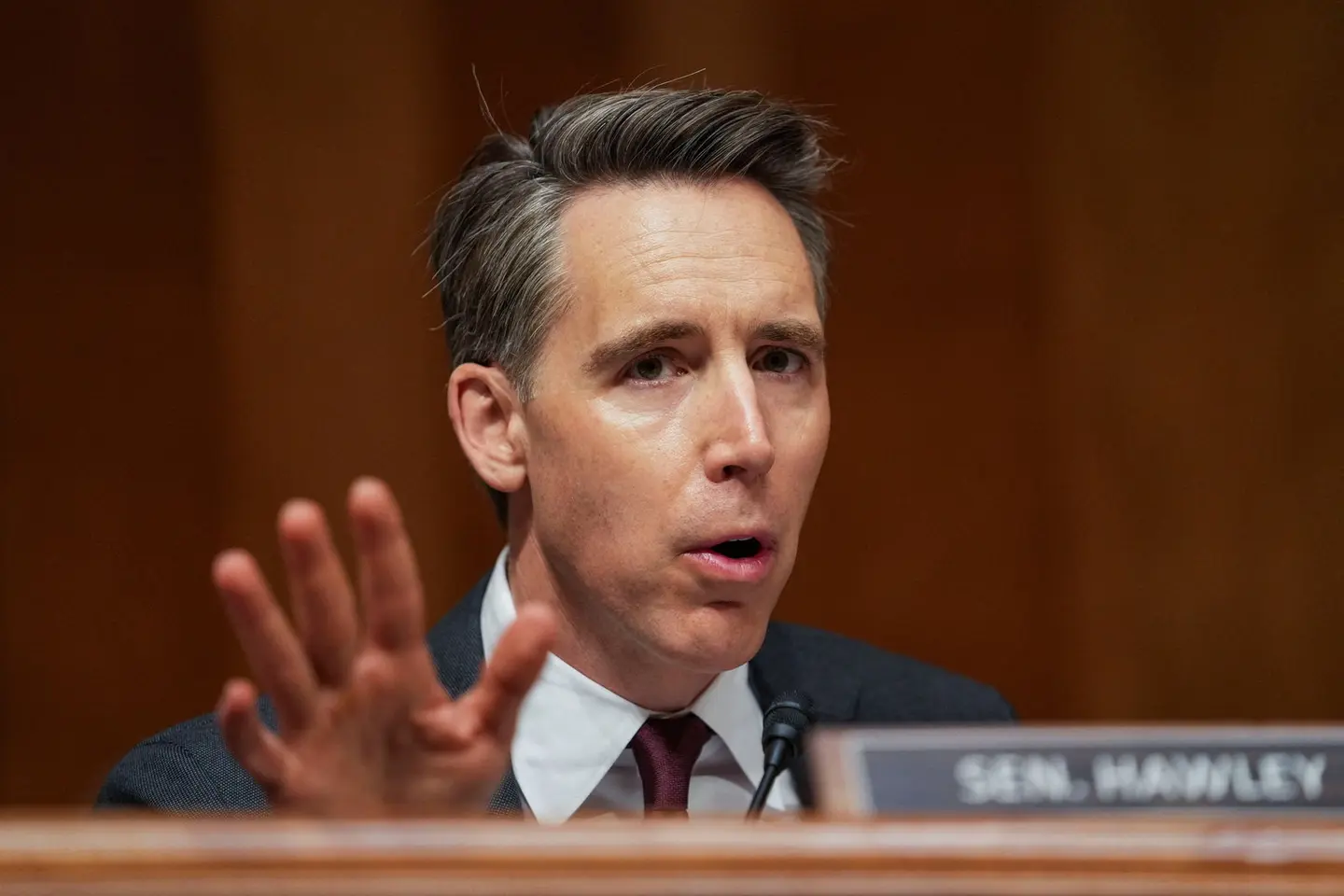
Nathan Howard/Reuters
Source Analysis



What Happened
Key Implications
What Happened
Key Implications
Where Left Sources Focus
- Electoral Data Center Penalty: Progressive and center-leaning sources emphasize that GOP midterm losses were directly linked to a 'data center penalty,' citing election analysis showing voters rejected data center construction in almost every ballot measure and favored candidates promising moratoriums.
- Economic Cost Shifting: Left-leaning coverage highlights Cornell University research detailing how data centers shift billions in energy infrastructure costs onto residential households. These sources argue this cost-shifting disproportionately impacts lower-income families, who bear the financial burden of infrastructure upgrades that tech companies do not fully cover.
Where Right Sources Focus
- Ratepayer Protection Priorities: Conservative outlets emphasize Senator Hawley’s legislative push to protect ratepayers, framing the data center moratorium as a necessary measure to prevent tech companies from passing infrastructure costs onto residential utility bills.
- Strategic Economic Competition: Right-leaning media highlight the tension between domestic energy concerns and the geopolitical necessity of rapid AI infrastructure expansion. These reports cite President Trump, who argues that slowing data center construction risks ceding technological dominance to China.
What's Largely Absent from Each Side
- Left sources rarely mention: Left-leaning sources rarely mention the national security and competitive arguments for rapid AI infrastructure development. Right-leaning outlets feature these points prominently, citing President Trump’s warnings that pausing construction risks ceding technological advantage to China.
- Right sources rarely mention: Right-leaning media largely omit detailed academic analyses of how data centers shift infrastructure costs to households. Left-leaning sources feature this empirical data, including Cornell University research detailing how residential customers are billed for costs tech companies avoid.
Rare Agreement
- Bipartisan Voter Opposition: Despite divergent coverage on the merits of data centers, sources across the political spectrum agree that wide majorities of voters oppose local data center construction due to concerns about rising energy costs.
Timeline
November 12, 2026
Industry pledges mitigation: In response to backlash, major AI and cloud companies publicly committed to cover infrastructure upgrades and electricity costs for new projects and urged lawmakers to codify those promises, while some firms began hiring former officials to navigate scrutiny. Those voluntary commitments aimed to blunt political and community opposition.
November 11, 2026
Hawley backs nationwide moratorium: Sen. Josh Hawley became the first Senate Republican to call for a nationwide moratorium on data center construction, urging GOP colleagues to pass a pause during the lame-duck period and listing a moratorium among five priorities he posted on X. His move signaled growing bipartisan traction for halting projects until federal safeguards or rate protections are enacted.
November 3, 2026
Midterms deliver rebuke: The Nov. 3 midterm results and multiple ballot measures overwhelmingly restricted or banned new data centers, and exit polls signaled voters rejected data centers—helping drive Democratic gains and making data centers a potent campaign issue. Analysts and politicians tied those results to mounting political backlash against data-center development.
Summary by Ground AI
Sources
See All 23A varied selection of sources chosen by Ground to reflect the diversity of this story’s coverage.
Most Written About
The stories getting the most coverage from the last 24 hours




Source Analysis
Timeline
November 12, 2026
Industry pledges mitigation: In response to backlash, major AI and cloud companies publicly committed to cover infrastructure upgrades and electricity costs for new projects and urged lawmakers to codify those promises, while some firms began hiring former officials to navigate scrutiny. Those voluntary commitments aimed to blunt political and community opposition.
November 11, 2026
Hawley backs nationwide moratorium: Sen. Josh Hawley became the first Senate Republican to call for a nationwide moratorium on data center construction, urging GOP colleagues to pass a pause during the lame-duck period and listing a moratorium among five priorities he posted on X. His move signaled growing bipartisan traction for halting projects until federal safeguards or rate protections are enacted.
November 3, 2026
Midterms deliver rebuke: The Nov. 3 midterm results and multiple ballot measures overwhelmingly restricted or banned new data centers, and exit polls signaled voters rejected data centers—helping drive Democratic gains and making data centers a potent campaign issue. Analysts and politicians tied those results to mounting political backlash against data-center development.


