Fitzpatrick Plans House Vote to Block Trump’s Russian Diesel Deal
United States
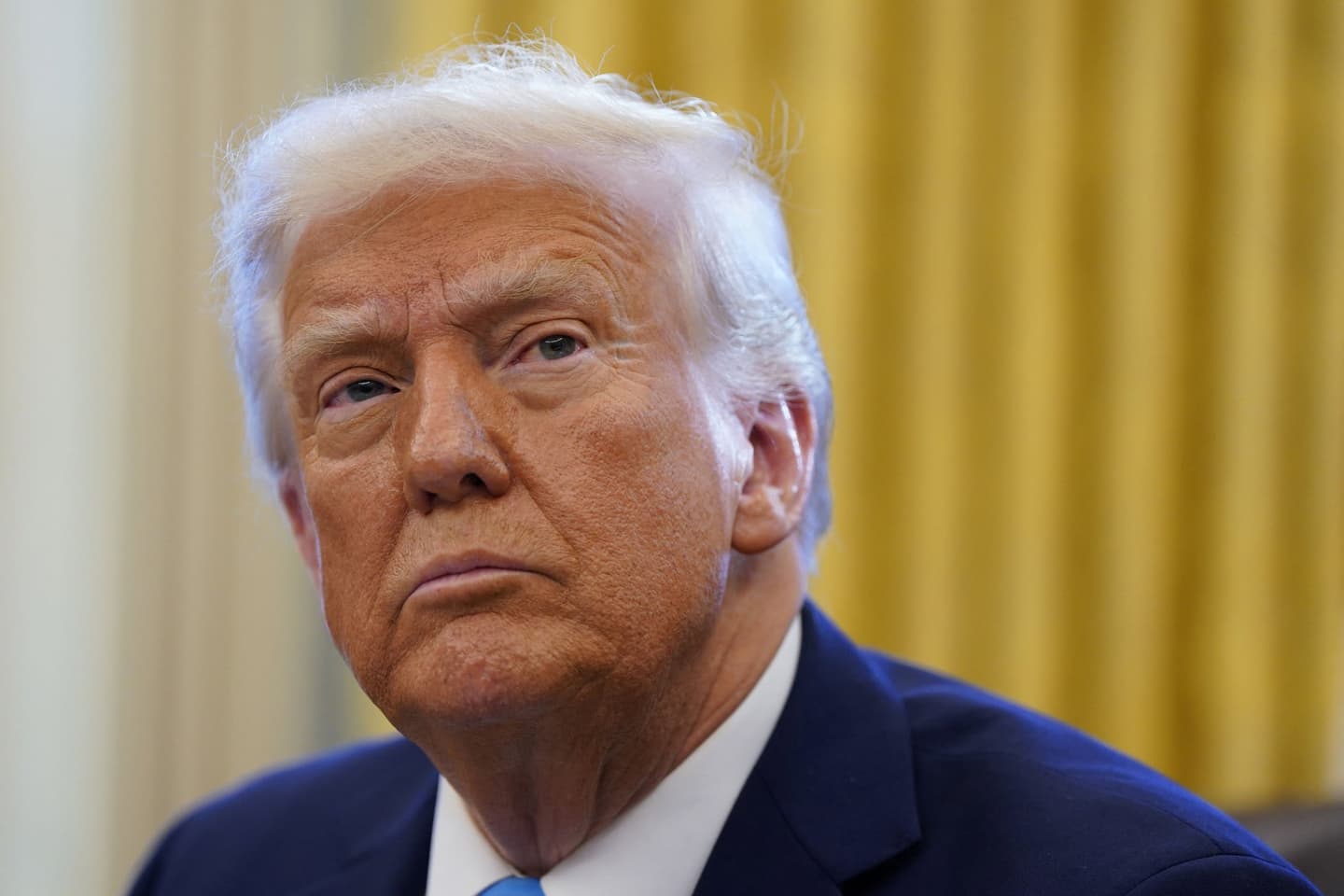
Elizabeth Frantz/Reuters




What Happened
Key Implications
What Happened
Key Implications
Where Sources Agree
- arrows_inputDiesel Import Deal Details: All outlets cite the Treasury Department’s issuance of a temporary general license on October 9 allowing the immediate supply of 300,000 tons of Russian diesel to global markets, with 500,000 tons to follow in November and 1,000,000 tons thereafter, according to Treasury Department statements.
- arrows_inputBipartisan Legislative Opposition: Coverage documents indicate that bipartisan lawmakers are introducing legislation to block the administration's decision to allow Russian diesel imports, arguing the move undermines existing sanctions and potentially funds Russia's war in Ukraine, according to Congressional reports.
Where Sources Disagree
- arrows_outputRussian Diesel Export Projections: Reports differ on the projected volume of Russian diesel exports, with some sources citing a tiered schedule of 300,000, 500,000, and 1 million tons, while other reports cite Russian officials projecting 1 million tons by December with a goal of 3 million tons monthly.
- arrows_outputFuel Price Drivers: President Trump attributes rising fuel prices to Ukraine's attacks on Russian oil refineries. In contrast, other reports and critics point to the economic impact of the U.S. war in Iran as the primary driver of increased costs.
Timeline
October 11, 2026
Bipartisan bill announced to block purchases: By October 11, 2026 Rep. Brian Fitzpatrick and other lawmakers announced cross-party legislation (dubbed the "Ronald Reagan Peace Through Strength Act") to block U.S. purchases of Russian oil and said they would force the bill to the floor via discharge.
October 10, 2026
Bipartisan congressional criticism: Lawmakers from both parties sharply criticized the move, saying it undermines recently enacted sanctions, could provide Moscow billions in revenue, and may contradict or violate congressional intent; several urged the president to rescind the agreement.
October 10, 2026
Projected Russian diesel exports: Following the announcement, officials and Russian sources said Russia would supply immediate shipments (reported as over 300,000 tons), another 500,000 tons in November and up to 1,000,000 tons thereafter, with Russian Deputy PM Alexander Novak saying up to 1 million tons could be exported by December.
Summary by Ground AI
Sources
See All 139A varied selection of sources chosen by Ground to reflect the diversity of this story’s coverage.
Most Written About
The stories getting the most coverage from the last 24 hours





Timeline
October 11, 2026
Bipartisan bill announced to block purchases: By October 11, 2026 Rep. Brian Fitzpatrick and other lawmakers announced cross-party legislation (dubbed the "Ronald Reagan Peace Through Strength Act") to block U.S. purchases of Russian oil and said they would force the bill to the floor via discharge.
October 10, 2026
Bipartisan congressional criticism: Lawmakers from both parties sharply criticized the move, saying it undermines recently enacted sanctions, could provide Moscow billions in revenue, and may contradict or violate congressional intent; several urged the president to rescind the agreement.
October 10, 2026
Projected Russian diesel exports: Following the announcement, officials and Russian sources said Russia would supply immediate shipments (reported as over 300,000 tons), another 500,000 tons in November and up to 1,000,000 tons thereafter, with Russian Deputy PM Alexander Novak saying up to 1 million tons could be exported by December.


