Taco Bell, Other Chains See Sales Hit From Cyclospora Outbreak
California, US
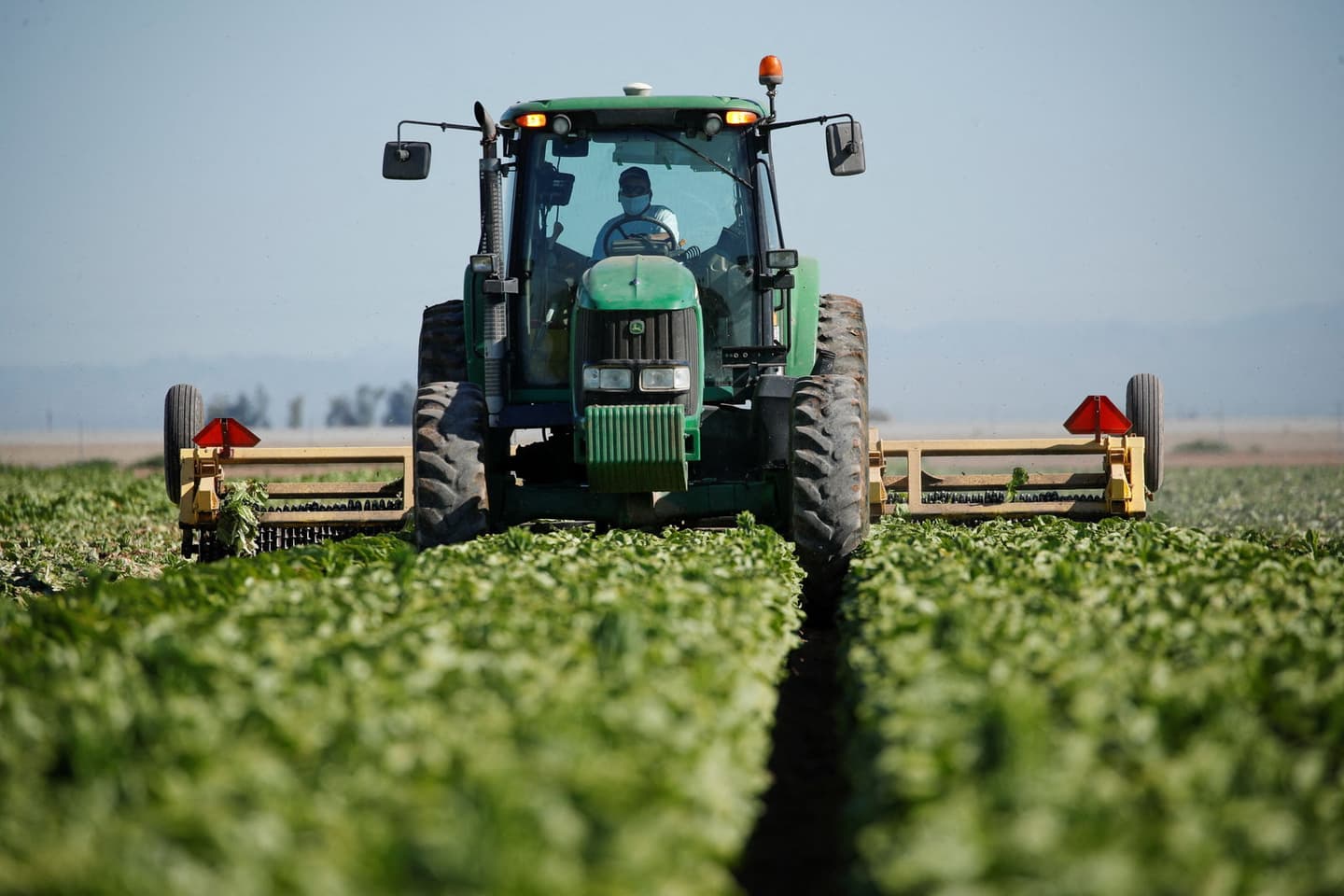
Mike Blake/Reuters
Source Analysis




What Happened
Key Implications
What Happened
Key Implications
Where Sources Agree
- arrows_inputTaco Bell Lettuce Removal: Coverage broadly details that Taco Bell voluntarily removed shredded iceberg lettuce supplied by Taylor Farms from its U.S. restaurants on July 17, according to company statements.
- arrows_inputRetail Lettuce Price Increases: Most sources align on retail iceberg lettuce prices jumping 20% between January and June 2026, with consumers paying an average of 33% more for fresh lettuce compared to the previous year, according to U.S. Department of Agriculture data.
- arrows_inputRestaurant Traffic and Sales: Outlets generally confirm recent declines in restaurant performance, with Taco Bell sales down 2%, Chopt foot traffic falling 12%, and Sweetgreen spending dropping 10%, according to market research data.
Where Sources Disagree
- arrows_outputTaco Bell Performance Metrics: Yum Brands reports Taco Bell's same-store sales are down 2% for the July-September period. Conversely, market research data indicates Taco Bell visits were 21% lower as of July 23, illustrating different metrics used to gauge the outbreak's impact.
- arrows_outputSweetgreen Sales Impact: Market research indicates a 10 percentage point drop in Sweetgreen spending during the Cyclospora outbreak. However, the company has not confirmed a sales decline, stating that its food has not been connected to the recent health issues.
Timeline
July 30, 2026
Investigation Continues; Effects Persist: As of the July 30 reporting cycle, cyclospora cases continued to grow with new clusters under FDA investigation, and industry impacts persisted—Yum Brands reported same‑store sales declines and Taco Bell’s sales showed signs of partial recovery—while officials worked to determine the outbreak’s full complexity.
July 29, 2026
Tennessee Schools Remove Lettuce: Multiple Tennessee districts, including Grundy County and Marion County, announced they will not serve fresh lettuce (and in Grundy’s case, tomatoes) during the first month of the school year as a precaution, planning the restrictions for August and to be reevaluated afterward. Districts said they would continue monitoring the situation before restoring items to menus.
July 23, 2026
Mid‑July Consumer And Market Impact: By mid‑late July, dining traffic and spending fell—Chopt foot traffic was down about 12% and Taco Bell visits about 21% as of July 23—with salad chains and stores reporting drops in sales while retail lettuce prices and year‑over‑year costs rose sharply. Market research and USDA data showed consumers buying and eating less fresh produce amid supply gaps from earlier hot weather.
Summaries by Ground AI
Sources
See All 159Most Written About
The stories getting the most coverage from the last 24 hours



Source Analysis
Timeline
July 30, 2026
Investigation Continues; Effects Persist: As of the July 30 reporting cycle, cyclospora cases continued to grow with new clusters under FDA investigation, and industry impacts persisted—Yum Brands reported same‑store sales declines and Taco Bell’s sales showed signs of partial recovery—while officials worked to determine the outbreak’s full complexity.
July 29, 2026
Tennessee Schools Remove Lettuce: Multiple Tennessee districts, including Grundy County and Marion County, announced they will not serve fresh lettuce (and in Grundy’s case, tomatoes) during the first month of the school year as a precaution, planning the restrictions for August and to be reevaluated afterward. Districts said they would continue monitoring the situation before restoring items to menus.
July 23, 2026
Mid‑July Consumer And Market Impact: By mid‑late July, dining traffic and spending fell—Chopt foot traffic was down about 12% and Taco Bell visits about 21% as of July 23—with salad chains and stores reporting drops in sales while retail lettuce prices and year‑over‑year costs rose sharply. Market research and USDA data showed consumers buying and eating less fresh produce amid supply gaps from earlier hot weather.


