Rivers, Lakes Lost Record Water in Heat of 2023–2024, Study Finds
China
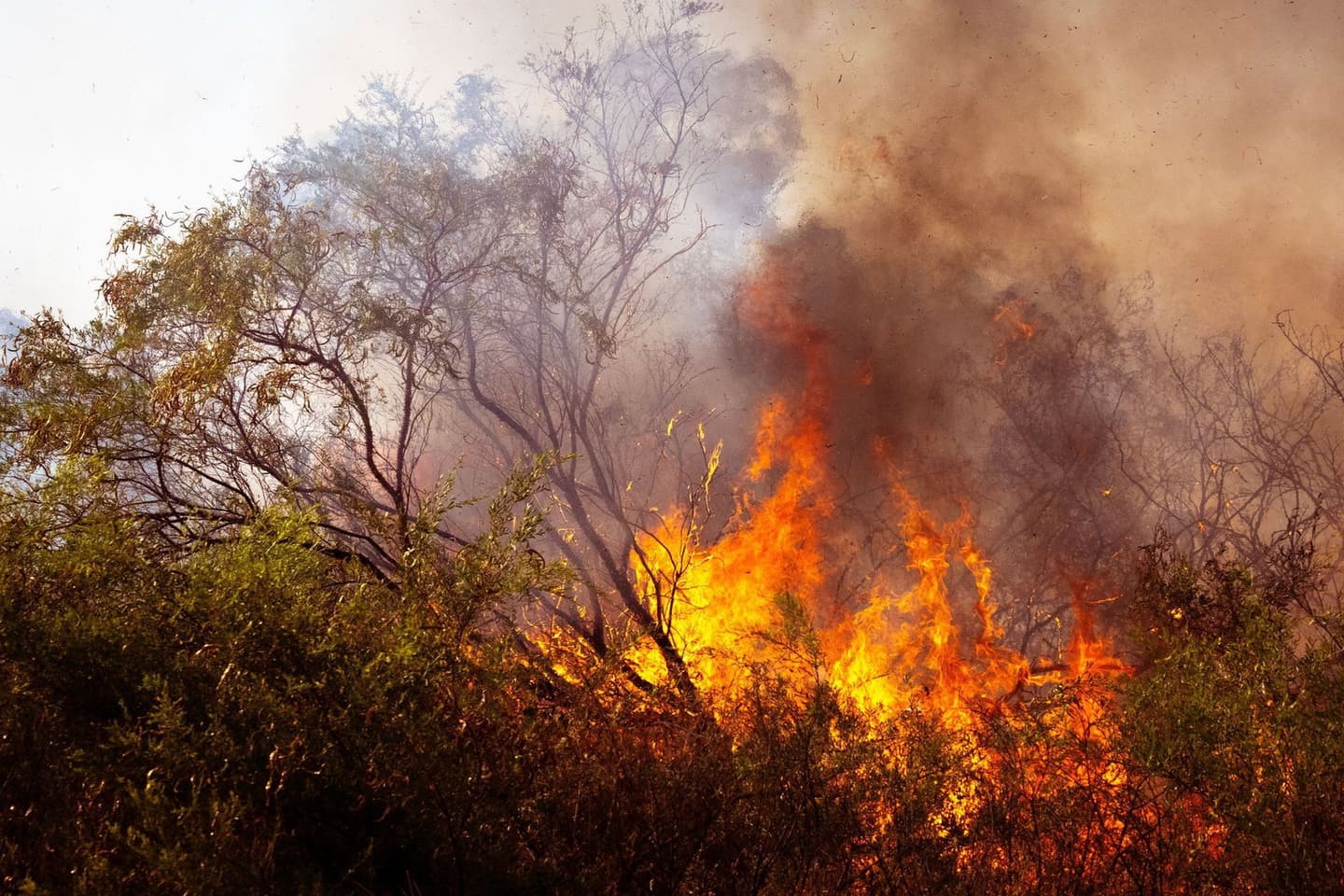
Eclipse Chasers/Pexels




What Happened
Key Implications
What Happened
Key Implications
Timeline
November 26, 2026
Report released, global warnings: The Global Water Monitor Consortium report, released by ANU-led researchers, documents 2023 as Earth's hottest year on record, links extreme heat to cascading impacts on water, ecosystems and food security, and warns of increasing frequency and intensity of droughts, floods and storms.
January 1, 2025
Partial rebound in 2025: River flows showed signs of rebounding in 2025, but researchers said the decline during the preceding two years was unprecedented in the historical record they examined.
January 1, 2024
Unprecedented 2023–24 freshwater drop: Global river flows and the volume of water in lakes and reservoirs declined sharply during two years of exceptional heat in 2023 and 2024, with streamflow falling 17.8% and lake/reservoir volumes decreasing 16.5%; overall river discharge was reported down 5.7% and active storage down 9.5% versus the 1991–2020 average.
Summary by Ground AI
Sources
See All 45A varied selection of sources chosen by Ground to reflect the diversity of this story’s coverage.
Most Written About
The stories getting the most coverage from the last 24 hours






Timeline
November 26, 2026
Report released, global warnings: The Global Water Monitor Consortium report, released by ANU-led researchers, documents 2023 as Earth's hottest year on record, links extreme heat to cascading impacts on water, ecosystems and food security, and warns of increasing frequency and intensity of droughts, floods and storms.
January 1, 2025
Partial rebound in 2025: River flows showed signs of rebounding in 2025, but researchers said the decline during the preceding two years was unprecedented in the historical record they examined.
January 1, 2024
Unprecedented 2023–24 freshwater drop: Global river flows and the volume of water in lakes and reservoirs declined sharply during two years of exceptional heat in 2023 and 2024, with streamflow falling 17.8% and lake/reservoir volumes decreasing 16.5%; overall river discharge was reported down 5.7% and active storage down 9.5% versus the 1991–2020 average.


