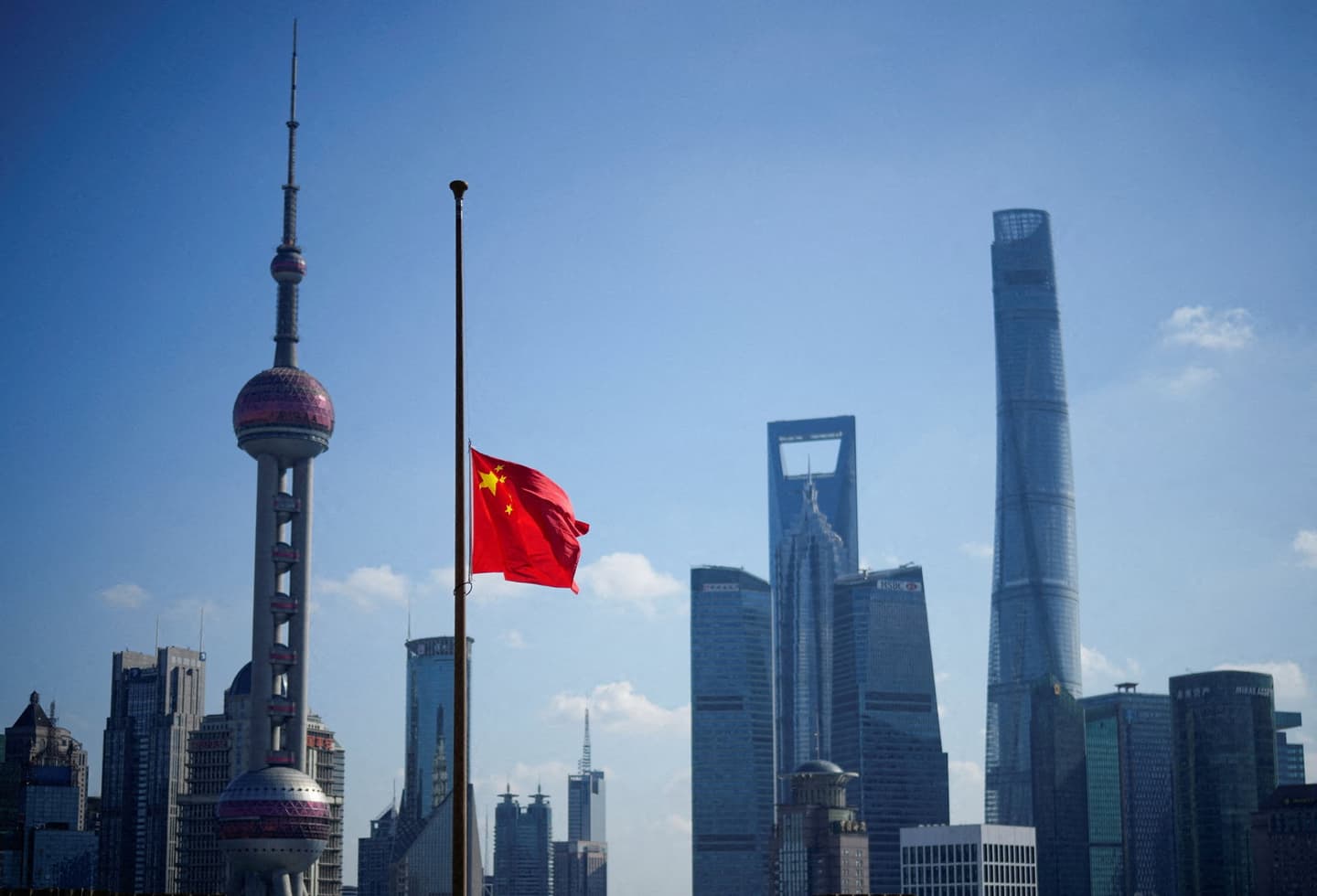
Beijing Mourns Zhu Rongji With Half-Mast Flags and Funeral
China
Aly Song/Reuters




What Happened
What Happened
Where Sources Agree
- arrows_inputFuneral and Mourning Logistics: Most sources align on the official funeral logistics for former Premier Zhu Rongji, noting that top party leaders attended the service at the Babaoshan crematorium while flags at government buildings were lowered to half-mast on August 18, according to state news agency Xinhua.
- arrows_inputFuneral and State Mourning: Sources across outlets confirm China held a funeral and lowered national flags at government headquarters on August 18 to mourn former Premier Zhu Rongji, who died on August 12 at age 97, according to official reports.
- arrows_inputSecurity and Sentiment Management: Most sources document that authorities have tightened security around Tiananmen Square and are closely monitoring public sentiment, driven by fears that mourning for former Premier Zhu Rongji could spark spontaneous public gatherings or political expression, according to CCP insiders.
Where Sources Disagree
- arrows_outputZhu Rongji's Retirement Conditions: While state accounts portray Zhu Rongji as a respected retired statesman, insider reports allege he lived under de facto house arrest, with personnel assigned by senior leadership to monitor his daily movements and medical care.
- arrows_outputZhu Rongji's Political Legacy: State media characterizes Zhu Rongji as a loyal party revolutionist whose legacy aligns with the current political order. In contrast, political analysts argue the official obituary glosses over fundamental ideological tensions between Zhu’s reformist era and the current leadership's more centralized, ideological direction.
Timeline
August 18, 2026
Public Reaction Mixed: Online and social-media responses were widespread and mixed: many praised Zhu's reform-era achievements while others debated the human cost of his policies, including reporting that as many as 40 million workers lost jobs during the SOE restructuring. Posts about Zhu trended on Weibo even as some content was censored, reflecting nostalgia and contentious discussion of his legacy.
August 18, 2026
Authorities Tighten Security: Authorities tightened security across Beijing, especially around Tiananmen Square and routes to Babaoshan crematorium, and insiders said the CCP was monitoring public reactions closely due to fears that spontaneous mourning could turn into political mobilization. Reports described personnel assigned to monitor Zhu in his final years and heightened vigilance over public expressions of grief.
August 18, 2026
National Mourning Declared: China lowered national flags at government headquarters and on Tiananmen Square and prepared official funeral arrangements, with Xinhua saying Zhu's remains would be cremated and a farewell gathering of senior Communist Party leaders was expected. AFP journalists observed flags at half-mast across Beijing as the city marked his death.
Perspectives and Debates
Was the public mourning of Zhu Rongji a sincere tribute or a controlled political response?
Summaries by Ground AI
Sources
See All 53Most Written About
The stories getting the most coverage from the last 24 hours


Timeline
August 18, 2026
Public Reaction Mixed: Online and social-media responses were widespread and mixed: many praised Zhu's reform-era achievements while others debated the human cost of his policies, including reporting that as many as 40 million workers lost jobs during the SOE restructuring. Posts about Zhu trended on Weibo even as some content was censored, reflecting nostalgia and contentious discussion of his legacy.
August 18, 2026
Authorities Tighten Security: Authorities tightened security across Beijing, especially around Tiananmen Square and routes to Babaoshan crematorium, and insiders said the CCP was monitoring public reactions closely due to fears that spontaneous mourning could turn into political mobilization. Reports described personnel assigned to monitor Zhu in his final years and heightened vigilance over public expressions of grief.
August 18, 2026
National Mourning Declared: China lowered national flags at government headquarters and on Tiananmen Square and prepared official funeral arrangements, with Xinhua saying Zhu's remains would be cremated and a farewell gathering of senior Communist Party leaders was expected. AFP journalists observed flags at half-mast across Beijing as the city marked his death.


