California Cities Move to Freeze Data Center Growth Amid Local Backlash
California, US
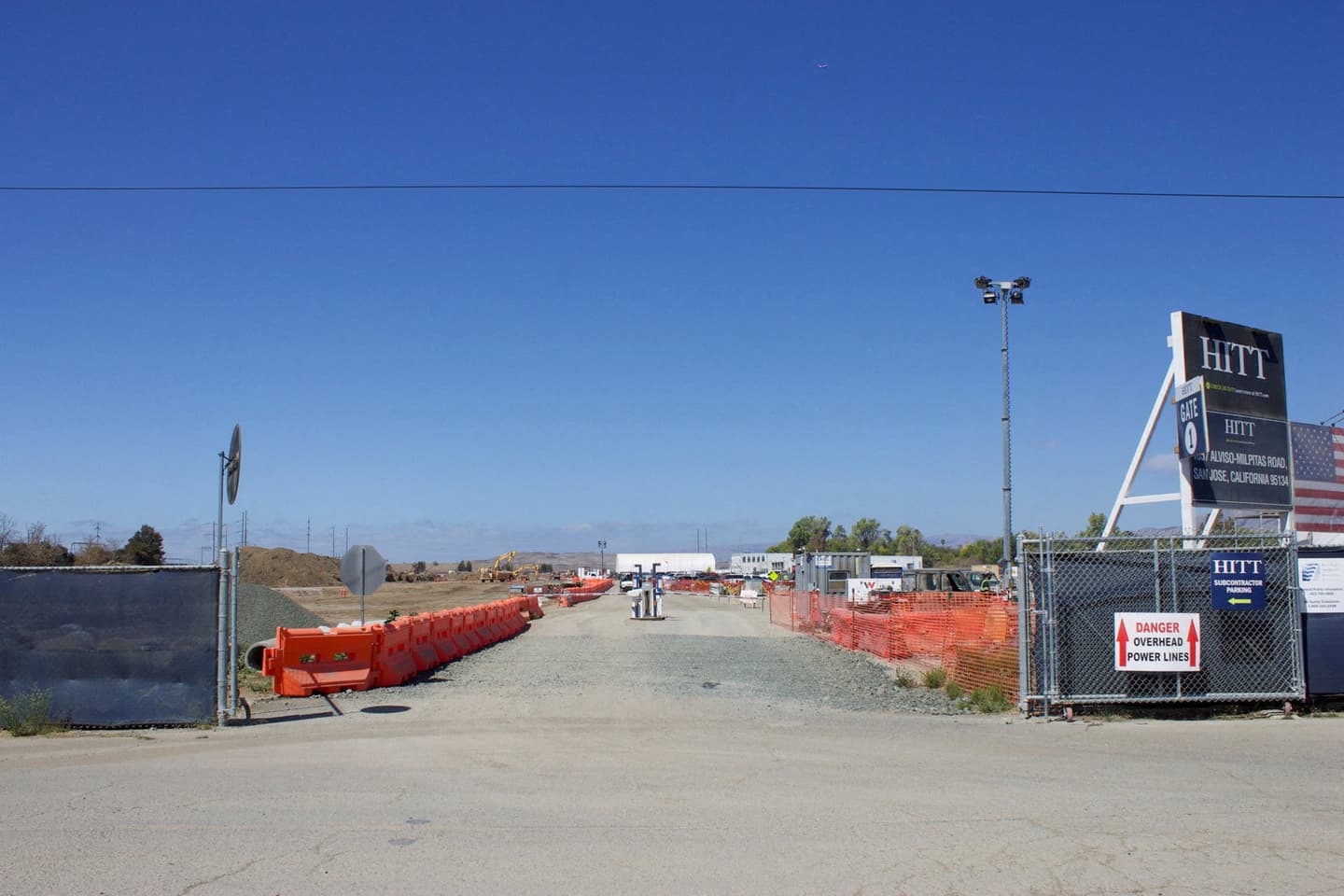
Elizabeth Mendez/Reuters
Source Analysis




What Happened
Key Implications
What Happened
Key Implications
Where Left Sources Focus
- AI Community Compact: Left-leaning sources highlight the "AI Community Compact," a proposed agreement framework designed to protect ratepayers and safeguard resources. Proponents argue that existing state transparency laws are insufficient to address the local risks associated with rapid data center development, necessitating more concrete, proactive local guarantees.
- Grassroots Opposition Momentum: Progressive coverage emphasizes the rapid surge of grassroots opposition across California municipalities. Sources highlight how local leaders are responding to public outcry over power grid strain and environmental concerns, framing the movement as a necessary pause to address community anxieties regarding rapid tech buildouts.
Where Center Sources Focus
- Municipal Regulatory Action: Center media extensively document the wave of legislative actions taken by California municipalities, including moratoriums and bans in cities like Oakland and San Francisco. Coverage focuses on tracking the scope of these measures, noting that at least 26 resolutions have been proposed or passed since June.
- Infrastructure Race: Center-leaning sources frame the data center buildout as an essential infrastructure race, comparing it to historical investments in railroads. Industry voices cited in these reports argue that blanket bans erode negotiating power and threaten national interests, suggesting that communities should seek engagement rather than total prohibition.
What's Largely Absent from Each Side
- Left sources rarely mention: Left sources rarely mention industry arguments regarding the economic risks of blanket bans. While center outlets feature perspectives from the American Edge Project warning that such bans erode local negotiating power, this economic framework is largely absent from progressive coverage of the ongoing moratoriums.
- Center sources rarely mention: Center coverage largely omits specific details about the AI Community Compact. While left-leaning sources highlight this proposal as a proactive solution to protect ratepayers and local resources, center outlets focus almost exclusively on the legislative bans themselves rather than these alternative community-driven frameworks.
Rare Agreement
- Unifying Opposition: Both sides acknowledge that opposition to data center development has become a unifying issue that transcends traditional political divides. Reports from across the ideological spectrum confirm that communities are increasingly demanding local control, with both conservative groups and progressive advocates calling for stricter regulations and pauses on construction.
Timeline
October 22, 2026
Status and local pushback summarized: As of late October reporting, California—home to 366 data centers in operation, construction or planning—faced mounting municipal actions (including an Alhambra November ballot measure and Santa Clara regulatory moves) and at least 26 local resolutions or moratoriums since June, underscoring a widening gap between state policy and municipal control.
October 15, 2026
October moratoriums proliferate: In the first half of October, Oakland's city council unanimously approved a 45-day moratorium on new approvals and San Francisco approved a similar moratorium, while local opposition intensified statewide and activist groups finished a multi-stop California tour. Several jurisdictions acted rapidly to 'press pause' amid concerns about grid strain, water use and pollution.
September 30, 2026
State disclosure laws enacted: In September, Gov. Gavin Newsom signed seven measures focused on disclosure, environmental-impact studies and grid protection, but grassroots groups and city councils quickly moved to halt construction entirely. Local leaders signaled that transparency laws alone were insufficient to address community concerns.
Summary by Ground AI
Sources
See All 39A varied selection of sources chosen by Ground to reflect the diversity of this story’s coverage.
Most Written About
The stories getting the most coverage from the last 24 hours






Source Analysis
Timeline
October 22, 2026
Status and local pushback summarized: As of late October reporting, California—home to 366 data centers in operation, construction or planning—faced mounting municipal actions (including an Alhambra November ballot measure and Santa Clara regulatory moves) and at least 26 local resolutions or moratoriums since June, underscoring a widening gap between state policy and municipal control.
October 15, 2026
October moratoriums proliferate: In the first half of October, Oakland's city council unanimously approved a 45-day moratorium on new approvals and San Francisco approved a similar moratorium, while local opposition intensified statewide and activist groups finished a multi-stop California tour. Several jurisdictions acted rapidly to 'press pause' amid concerns about grid strain, water use and pollution.
September 30, 2026
State disclosure laws enacted: In September, Gov. Gavin Newsom signed seven measures focused on disclosure, environmental-impact studies and grid protection, but grassroots groups and city councils quickly moved to halt construction entirely. Local leaders signaled that transparency laws alone were insufficient to address community concerns.


