Nature Study Finds Global Nighttime Light Rose 16% From 2014 to 2022
India
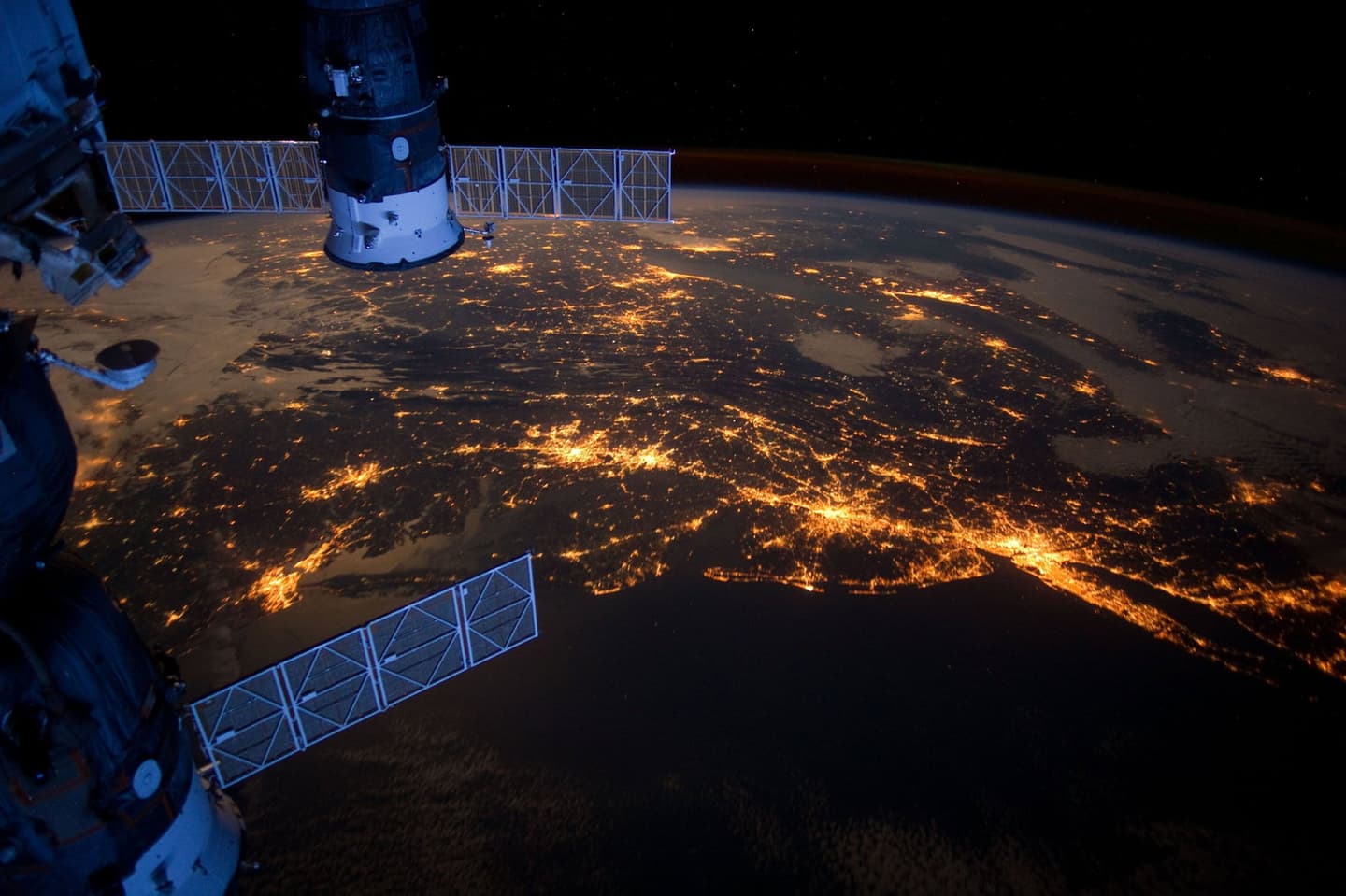
NASA NASA/Reuters
Source Analysis




What Happened
Why It Matters
What Happened
Why It Matters
Timeline
April 8, 2026
Study Published by Reuters: Reuters reported on April 8, 2026 that a Nature study using daily satellite observations revealed new findings about global nighttime lighting trends. The publication framed the study's core conclusion that the Earth's nightscape is volatile rather than steadily brightening.
December 31, 2022
Europe Shows Deliberate Dimming: Europe experienced a 4% net decrease in nighttime radiance largely attributable to policy-driven shifts: transitions to directional LED streetlights, energy-efficiency mandates, and dark-sky conservation (with France noted as a leader). Researchers highlighted deliberate municipal actions like turning off streetlights late at night as a major factor in structured dimming patterns.
December 31, 2022
Emerging Economies Surge Brightness: The most dramatic brightening occurred in emerging economies, particularly sub-Saharan Africa and Southeast Asia, led by countries such as Somalia, Burundi and Cambodia as regions transitioned from near-total darkness to expanded access to electricity. Study authors described this as a massive expansion of energy access for entire regions.
Summary by Ground AI
Sources
See All 37A varied selection of sources chosen by Ground to reflect the diversity of this story’s coverage.
Most Written About
The stories getting the most coverage from the last 24 hours


Source Analysis
Timeline
April 8, 2026
Study Published by Reuters: Reuters reported on April 8, 2026 that a Nature study using daily satellite observations revealed new findings about global nighttime lighting trends. The publication framed the study's core conclusion that the Earth's nightscape is volatile rather than steadily brightening.
December 31, 2022
Europe Shows Deliberate Dimming: Europe experienced a 4% net decrease in nighttime radiance largely attributable to policy-driven shifts: transitions to directional LED streetlights, energy-efficiency mandates, and dark-sky conservation (with France noted as a leader). Researchers highlighted deliberate municipal actions like turning off streetlights late at night as a major factor in structured dimming patterns.
December 31, 2022
Emerging Economies Surge Brightness: The most dramatic brightening occurred in emerging economies, particularly sub-Saharan Africa and Southeast Asia, led by countries such as Somalia, Burundi and Cambodia as regions transitioned from near-total darkness to expanded access to electricity. Study authors described this as a massive expansion of energy access for entire regions.


