Himalayan Glaciers Melt Faster as Study Warns of Water Risks
India
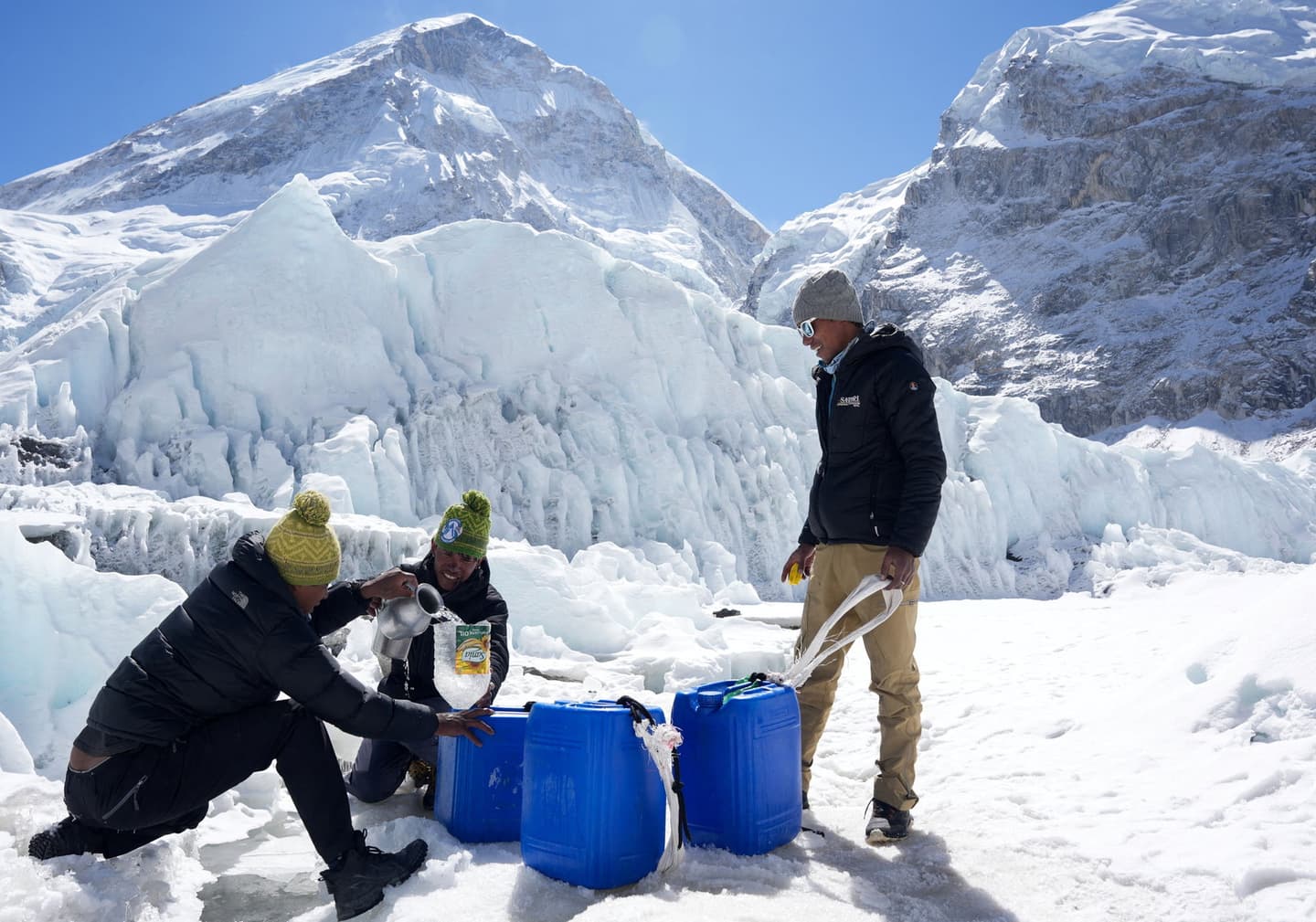
Purnima Shrestha/Reuters




What Happened
Key Implications
What Happened
Key Implications
Where Sources Agree
- arrows_inputHimalayas Approaching Tipping Point: Sources across outlets confirm the Himalayas are approaching a critical tipping point as glaciers melt faster than they were a decade ago, according to a report released by Systemiq in September.
- arrows_inputGlacier Monitoring and Risk: Sources uniformly report a critical monitoring gap in the Hindu Kush-Himalaya region; only 21 of the estimated 40,000 glaciers are currently tracked on the ground, while 56 glacial lakes are classified as very high risk, according to the Systemiq report.
Where Sources Disagree
- arrows_outputGlacier Melt Rate Precision: Some reports describe glaciers melting faster than a decade ago, while other coverage specifies that glaciers are currently losing mass 65% faster than they were a decade ago.
- arrows_outputPollution Impact Attribution: Some outlets focus on the Systemiq report's findings regarding general climate tipping points and disaster risks, while others highlight the report's specific attribution of one-third of Himalayan glacier melt to black carbon pollution.
Timeline
September 14, 2026
Calls For Cross-Border Action: The report urged cross-border monitoring, shared risk information, early-warning systems and strengthened disaster preparedness, and recommended rethinking tourism and other policy transitions to protect livelihoods as the region nears "peak water." It emphasized the Himalayas' economic importance—supporting over 20% of India’s GDP—and the urgent need for joint investment in resilience.
September 14, 2026
Accelerated Mass Loss, Monitoring Gap: The study found Himalayan glacier mass loss has accelerated in recent decades while only about 21 of an estimated 40,000 glaciers are monitored on the ground, highlighting a major observational gap. Authors warned that not all drivers of glacier loss are beyond regional control but stressed the need for expanded monitoring.
September 13, 2026
Study Links Soot To Melt: A Systemiq-led study released in September 2026 estimated that roughly one-third of Himalayan glacier melt is driven by black carbon (soot), much of it from brick kilns on the plains, and noted that soot on snow and ice accelerates melting. The report framed black-carbon reduction as an actionable lever for India and neighbouring countries.
Perspectives and Debates
Is the main story the escalating risk from Himalayan glacier melt or the actionable policy levers to slow it?
Summary by Ground AI
Sources
See All 82A varied selection of sources chosen by Ground to reflect the diversity of this story’s coverage.
Most Written About
The stories getting the most coverage from the last 24 hours



Timeline
September 14, 2026
Calls For Cross-Border Action: The report urged cross-border monitoring, shared risk information, early-warning systems and strengthened disaster preparedness, and recommended rethinking tourism and other policy transitions to protect livelihoods as the region nears "peak water." It emphasized the Himalayas' economic importance—supporting over 20% of India’s GDP—and the urgent need for joint investment in resilience.
September 14, 2026
Accelerated Mass Loss, Monitoring Gap: The study found Himalayan glacier mass loss has accelerated in recent decades while only about 21 of an estimated 40,000 glaciers are monitored on the ground, highlighting a major observational gap. Authors warned that not all drivers of glacier loss are beyond regional control but stressed the need for expanded monitoring.
September 13, 2026
Study Links Soot To Melt: A Systemiq-led study released in September 2026 estimated that roughly one-third of Himalayan glacier melt is driven by black carbon (soot), much of it from brick kilns on the plains, and noted that soot on snow and ice accelerates melting. The report framed black-carbon reduction as an actionable lever for India and neighbouring countries.


