Oil Prices Set for Weekly Gain, Ending Three-Week Losing Streak
Calgary, Canada
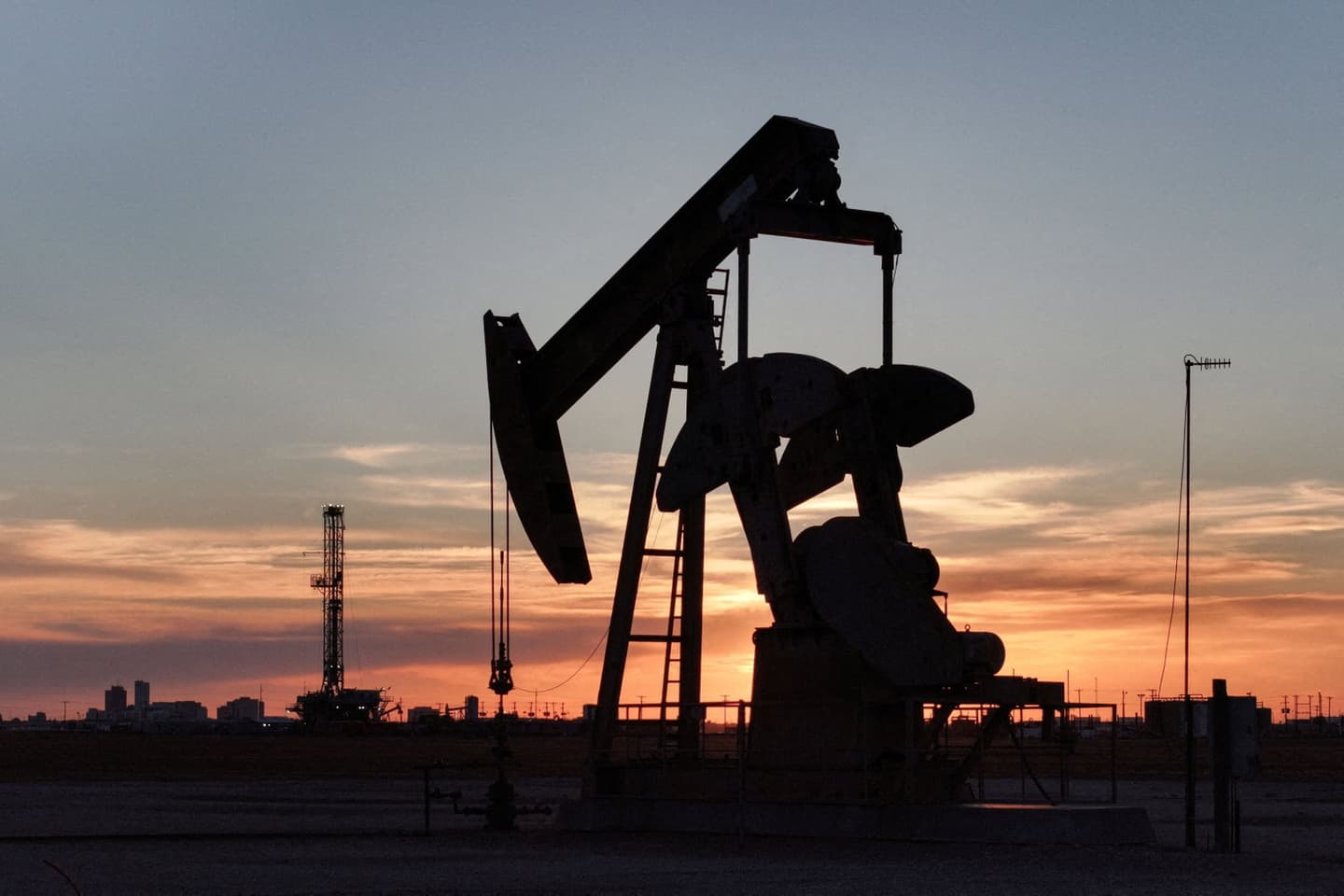
Eli Hartman/Reuters
Source Analysis




What Happened
Key Implications
What Happened
Key Implications
Where Right Sources Focus
- Kinetic Military Escalation: Conservative outlets detail the kinetic military escalation in the Middle East, reporting on drone strikes against Kuwaiti facilities and tankers in the Strait of Hormuz. They cite U.S. military (CENTCOM) data and IRGC naval warnings to highlight the aggressive security environment and resulting casualties.
- Global Supply Chain Risk: Right-leaning media emphasize acute risks to global energy supplies, reporting on significantly slowed tanker traffic and crews disabling tracking transponders to avoid detection. They cite shipping intelligence firms and industry analysts to detail the bottlenecking of key maritime routes.
Where Center Sources Focus
- OPEC+ Policy Outlook: Center-leaning sources highlight the upcoming OPEC+ ministerial meeting, focusing on potential decisions regarding output targets for 2027. They feature analysis on the challenges of balancing production capacity without UAE participation and the pressure from member nations like Iraq and Kazakhstan.
- Global Refinery Disruptions: Center coverage extensively analyzes broader global energy disruptions, detailing refinery fires in Thailand and Venezuela, alongside production halts in Brazil and Russian facilities. They frame these events as contributing to tightening global fuel supplies beyond the immediate Middle East conflict.
What's Largely Absent from Each Side
- Right sources rarely mention: Right sources rarely mention global refinery and production disruptions outside of the Middle East, such as incidents in Thailand, Brazil, and Russia. Center outlets feature these details to provide a broader picture of current industrial supply challenges beyond regional geopolitical tensions.
- Center sources rarely mention: Center sources largely omit specific details regarding human casualties and aggressive military rhetoric from Iranian and Houthi actors. Right outlets feature these accounts prominently, citing CENTCOM and regional reports to underscore the security escalation driving current market risk premiums.
Rare Agreement
- Market Supply Fears: Despite divergent coverage patterns, sources across outlets confirm that Brent crude prices are trading near monthly highs, driven by widespread market concerns regarding supply disruptions and ongoing tensions in the Middle East.
Timeline
November 27, 2026
Prices Rise, OPEC+ Meeting Looms: Brent crude hovered near this month’s high and settled up (around $96.57 a barrel), while U.S. WTI climbed as markets reacted to the supply disruptions; both benchmarks were headed for their first weekly gain in four weeks. Attention shifted to an upcoming OPEC+ meeting (November 29) where sources said ministers may roll over 2027 output targets amid the disruption.
November 26, 2026
Wider Attacks Hit Refineries: A series of attacks and strikes — including Houthi claims on Ras Tanura and strikes that forced Saudi Aramco’s Jazan refinery to halt some operations (killing a Nepalese worker) — plus fires at Thailand’s Bangchak and Venezuela’s Amuay refineries and a fire at Russia’s Slavyansk ECO refinery, further dented refining capacity. Markets and analysts warned these incidents were raising the geopolitical risk premium on oil.
November 26, 2026
Supertanker Reported Ablaze: Reports and Iranian state media said one of the vessels was a supertanker carrying more than 2 million barrels of crude that caught fire after the incident, though independent maritime trackers had not confirmed the cargo size. The burning vessel was cited repeatedly by officials as a major supply risk.
Summary by Ground AI
Sources
See All 116A varied selection of sources chosen by Ground to reflect the diversity of this story’s coverage.
Most Written About
The stories getting the most coverage from the last 24 hours






Source Analysis
Timeline
November 27, 2026
Prices Rise, OPEC+ Meeting Looms: Brent crude hovered near this month’s high and settled up (around $96.57 a barrel), while U.S. WTI climbed as markets reacted to the supply disruptions; both benchmarks were headed for their first weekly gain in four weeks. Attention shifted to an upcoming OPEC+ meeting (November 29) where sources said ministers may roll over 2027 output targets amid the disruption.
November 26, 2026
Wider Attacks Hit Refineries: A series of attacks and strikes — including Houthi claims on Ras Tanura and strikes that forced Saudi Aramco’s Jazan refinery to halt some operations (killing a Nepalese worker) — plus fires at Thailand’s Bangchak and Venezuela’s Amuay refineries and a fire at Russia’s Slavyansk ECO refinery, further dented refining capacity. Markets and analysts warned these incidents were raising the geopolitical risk premium on oil.
November 26, 2026
Supertanker Reported Ablaze: Reports and Iranian state media said one of the vessels was a supertanker carrying more than 2 million barrels of crude that caught fire after the incident, though independent maritime trackers had not confirmed the cargo size. The burning vessel was cited repeatedly by officials as a major supply risk.


