Published • loading... • Updated
What to say (and what not to say) when a loved one has breast cancer
Dr. Sylvia Reyes says specific help and calm listening can ease isolation, while myths and unsolicited advice can add stress.
- Sylvia Reyes, a breast surgeon at the Northwell Cancer Institute, shares guidance on supporting loved ones with a breast cancer diagnosis, emphasizing that thoughtful communication and tangible actions combat isolation.
- A new diagnosis is emotionally overwhelming, and hearing oversimplified theories about causes can add pain and stigma to patients already struggling with autonomy as suggestions pile up.
- Asking, "Would you like to talk about it?" opens a door for patients to share feelings without pressure, while specific offers like driving to appointments or taking medical notes lift a weight from their shoulders.
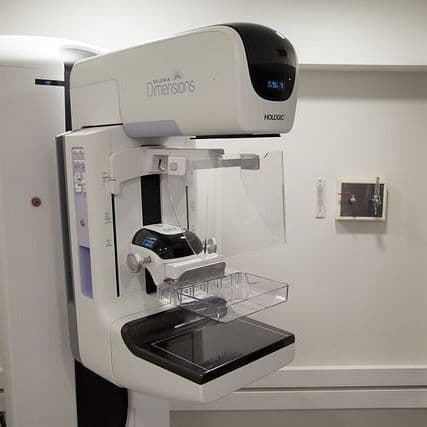
- Many women are caregivers prioritizing others' needs, so validating their proactive health choices like mammography screenings reinforces well-being; being a comfortable, non-judgmental presence combats the isolation a diagnosis brings.
- Because breast cancer is deeply personal, each case requires treatment tailored to the individual's tumor, and modern medicine has evolved so much that older stories are frequently irrelevant and can cause unnecessary anxiety.
Insights by Ground AI
43 Articles
43 Articles
 thepampanews.com
+42 Reposted by 42 other sources


What to say (and what not to say) when a loved one has breast cancer
Northwell Health reports on how to support a loved one diagnosed with breast cancer, highlighting what to say and what to avoid to provide meaningful comfort.
·Pampa, United States
Read Full ArticleCoverage Details
Total News Sources43
Leaning Left6Leaning Right3Center32Last UpdatedBias Distribution78% Center
Bias Distribution
- 78% of the sources are Center
78% Center
15%
C 78%


Factuality
To view factuality data please Upgrade to Premium