What is pneumonic plague and how dangerous is it?
- On Tuesday, World Health Organisation Director-General Tedros Adhanom Ghebreyesus demanded Russia share transparent information regarding a plague outbreak following the death of laboratory technician Darya Shipilova at the Irkutsk Anti-Plague Research Institute.
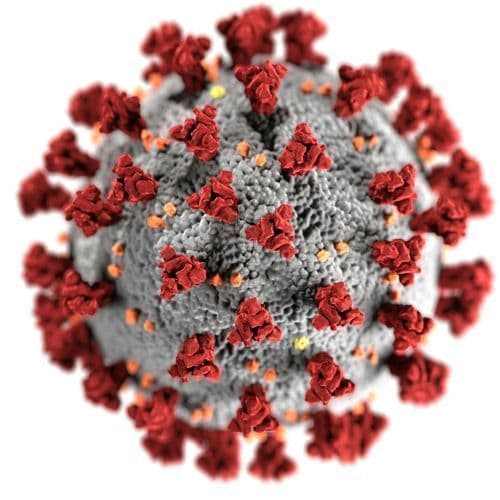
- Shipilova died on October 2 after working with Yersinia, the bacterium behind the Black Death that "wiped out more than a third of Europe" in the 14th century, according to regional reports.
- At least 197 people remain in medical isolation as direct or indirect contacts, with around 100 currently monitored in hospital wards, while the WHO investigates a second employee presenting with unexplained pneumonia.
- Contradictory official accounts have fueled uncertainty, as senior epidemiologist Mikhail Favorov cast doubt on the 'broken test tube' narrative, stating, "It's absolutely hair-raising," and suggesting the public is not being told what really happened.
- Ghebreyesus emphasized that sharing data under the International Health Regulations is essential to assess potential public health risks, though Moscow claims its epidemiological investigation is complete and detected no high-threat pathogens.
395 Articles
395 Articles

 berlingske.dk
 Kristeligt Dagblad
Russian authorities deny that a lab technician from a laboratory in Siberia died of plague.

News quickly and reliably.

The World Health Organization (WHO) has asked Russian authorities for information about media reports of a second laboratory worker developing pneumonia of unknown origin. The request comes amid heightened attention to the case in Irkutsk, where a worker at a plague institute died last week, Reuters reported, quoted by News.bg. The WHO has also asked for additional data to help clarify the cause of the severe pneumonia, as well as information ab…

Russian authorities deny that a lab technician from a laboratory in Siberia died of plague

"Timely, complete and transparent exchange of information in accordance with the International Health Regulations is essential," says the WHO Secretary-General.
Coverage Details
Bias Distribution
- 46% of the sources are Center


Factuality
To view factuality data please Upgrade to Premium