Published • loading... • Updated
Vessels trickle through Strait of Hormuz as Mideast tension persists
Saudi Arabia’s Hormuz shipments rose to 2.9 million barrels a day over six days as attacks disrupted its main pipeline, JPMorgan analysts said.
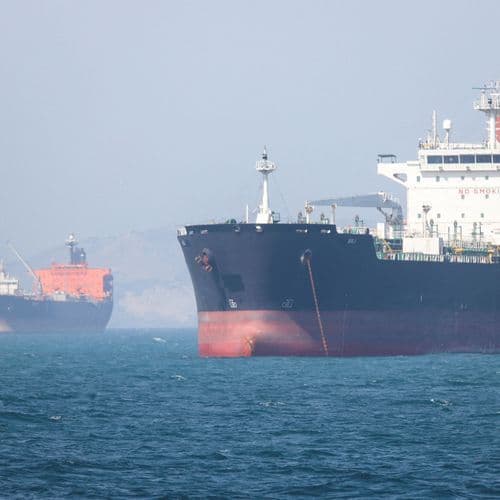
- A dozen commodity vessels transited the Strait of Hormuz over the weekend, down from 35 the prior weekend, shipping data showed on Monday as tension in the Gulf persisted with the US and Iran in stalemate.
- Before the US-Israeli war with Iran began on February 28, the Strait typically handled about 125 large commercial vessels daily. Visible traffic has since dwindled to a trickle.
- During the week of Sept 13, 13 tankers carrying 34 million barrels of crude exited the Strait, mostly very large crude carriers according to Kpler data.
- On the weekend, five vessels left the Gulf carrying agricultural products and liquefied petroleum gas while an empty carrier entered. Four additional vessels exited the Strait on Sunday.
- JPMorgan analysts reported Middle East oil flows remain strong despite Saudi Arabia's East-West pipeline disruption, with OPEC producer exports recovering to over 4 million barrels per day in Sept. Iraq accounted for 35% of the volume.
Insights by Ground AI
Podcasts & Opinions
78 Articles
78 Articles


Vessels trickle through Hormuz as Middle East conflict persists
SINGAPORE: A total of 17 commodity vessels transited the Strait of Hormuz on the weekend, down from 37 a week earlier, shipping data showed on Monday, as tension in the Gulf persisted with the US and Iran in stalemate. Visible traffic through the strait, the conduit for a fifth of the world’s oil and liquefied natural gas before the war, has dwindled to a trickle. However, Middle Eastern producers continue to export oil on tankers traveling wit…
·Riyadh, Saudi Arabia
Read Full Article
(Cairo=Yonhap News) Correspondent Kim Sang-hoon = Saudi Arabia, whose alternative oil export routes have been blocked by the Red Sea blockade and pipeline attacks by the pro-Iranian Houthi rebels in Yemen, is...
·Seoul, Korea (the Republic of)
Read Full Article

Coverage Details
Total News Sources78
Leaning Left9Leaning Right14Center8Last UpdatedBias Distribution45% Right
Bias Distribution
- 45% of the sources lean Right
45% Right
L 29%
C 26%
R 45%


Factuality
To view factuality data please Upgrade to Premium