Published • loading... • Updated
Danish University Approves CDC-Funded Trial That Would Delay Hepatitis B Shots for Half of 14,000 Newborns in Guinea-Bissau
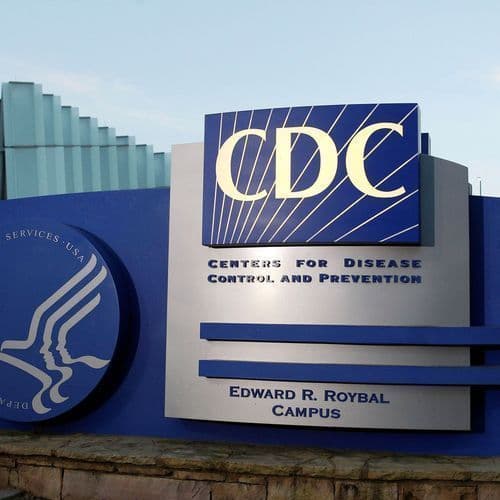
The $1.6 million study would enroll 14,000 newborns and test whether a hepatitis B birth dose improves protection against chronic infection.
- The University of Southern Denmark approved a CDC-funded study in Guinea-Bissau involving 14,000 newborns last week, though final governmental authorization remains pending in the West African country.
- Researchers plan to withhold the hepatitis B birth dose for half the enrolled infants, vaccinating them at 6 weeks instead, contradicting World Health Organization guidance recommending vaccination within 24 hours of birth.
- The $1.6 million project faces sharp criticism, with Colette Delawalla, a health group founder, calling it "a gross violation of human rights and the use of bad science."
- On Tuesday, Guinea-Bissau Health Minister Quinhin Nantote denied authorization reports, stating "final governmental authorization in Guinea-Bissau has, however, not yet been granted."
- Investigators aim to study "non-specific effects" of vaccines, including skin and neurodevelopmental disorders, in a country where over 12% of adults live with chronic hepatitis B.
Insights by Ground AI
15 Articles
15 Articles


Controversial US-backed hepatitis B vaccine trial to move forward in Guinea-Bissau
·Pointe-Noire, Congo (the)


Coverage Details
Total News Sources15
Leaning Left2Leaning Right4Center2Last UpdatedBias Distribution50% Right
Bias Distribution
- 50% of the sources lean Right
50% Right
L 25%
C 25%
R 50%


Factuality
To view factuality data please Upgrade to Premium