Published • loading... • Updated
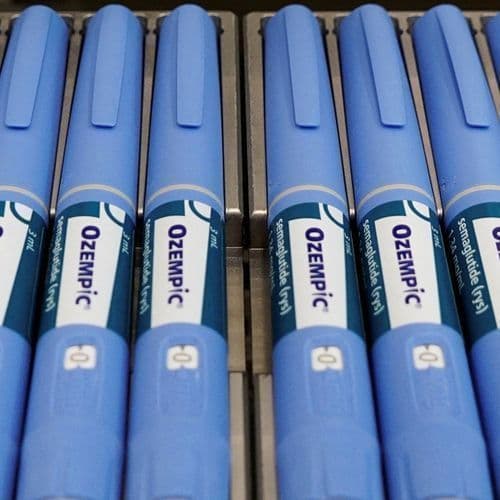
Daniel Drucker’s GLP-1 Research Helped Build Ozempic and Wegovy
Drucker’s early GLP-1 work helped establish a drug class that now includes exenatide and semaglutide, despite initial skepticism from drugmakers.
- Recently named a 2026 Clarivate Citation Laureate, Daniel Drucker is considered a contender for this year's Nobel Prize in Physiology or Medicine, following his 2025 Breakthrough Prize in Life Sciences win for pioneering GLP-1 research.
- Drucker's research into GLP-1 biology evolved in 1995 when he received a venomous Gila monster from Utah; the lizard's venom contained exendin-4, which became the basis for exenatide, the first GLP-1 drug approved for Type 2 diabetes.
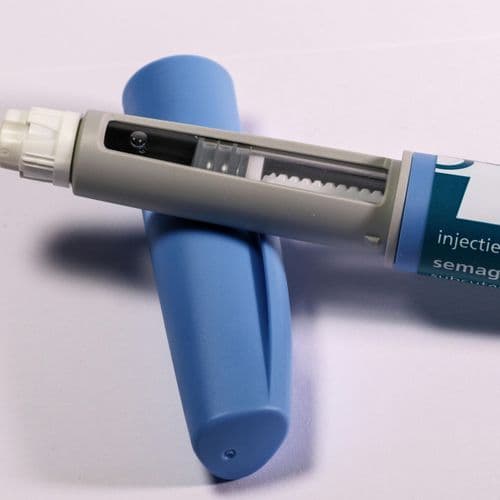
- While GLP-1 drugs faced safety concerns and lawsuits alleging cancer links, Drucker became their outspoken defender, citing lack of credible evidence; today, semaglutide injection sales in Canada total $3.5 billion.
- Although Drucker is sometimes dubbed the "father of Ozempic," he hasn't earned royalties from the drug; Novo Nordisk developed semaglutide, generating about $50 billion in sales in 2023.
- Drucker insists "there was no eureka moment for GLP-1," emphasizing decades of trial and error; he prioritizes family over his scientific career, even as roughly one in 12 Canadian adults now report using a prescription GLP-1 drug.
Insights by Ground AI
22 Articles
22 Articles


Coverage Details
Total News Sources22
Leaning Left22Leaning Right0Center0Last UpdatedBias Distribution100% Left
Bias Distribution
- 100% of the sources lean Left
100% Left
L 100%


Factuality
To view factuality data please Upgrade to Premium