Study: Grasslands Disappearing Four Times Faster Than Forests
Grasslands, savannas, and wetlands are converted nearly four times faster than forests mainly due to livestock, feed crops, and biofuels, with Brazil accounting for 13% of affected areas.
- Published this week in PNAS, the study found grasslands, savannas and wetlands converted nearly four times faster than forests over 2005–2020.
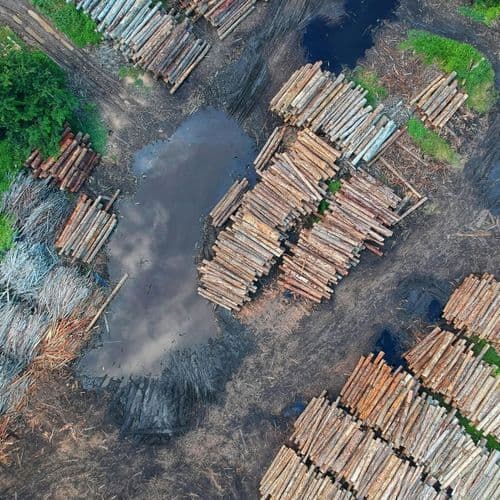
- Livestock-Driven agriculture accounted for about half of non-forest conversion to pasture, with pasture and cropland for feed dominating losses in Brazil, Argentina, the United States and China.
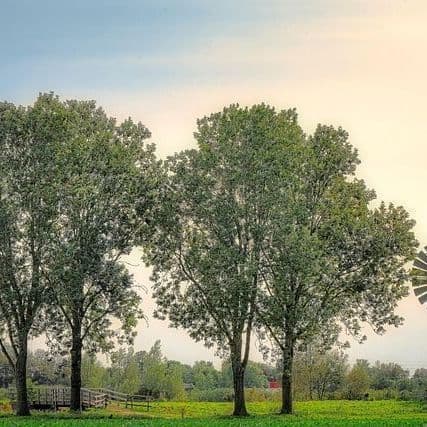
- Grasslands store about 34 percent of terrestrial carbon and contain around 33 percent of global biodiversity hotspots, while wetlands convert at half the rate of dry lands but remain vital climate sinks.
- Researchers urge policymakers and commodity-dependent companies to include grassland conversion in conservation targets, noting Brazil accounts for 13% of affected area while the Soy Moratorium shifted expansion into the Cerrado savanna.
- The research team used land‑use datasets, allocation models and trade data to link conversions, noting impacts beyond tropical forests in Russia, China, the United States and the EU.
12 Articles
12 Articles


Grasslands are vanishing nearly four times faster than forests, global study finds
Along with forests, grasslands and wetlands are also being converted to cropland and pasture at an increasing rate around the world—often for livestock farming and the export of agricultural products. An international team of researchers, including Martin Persson from Chalmers, has now analyzed for the first time where, for what purpose, and how quickly natural non-forest ecosystems are being converted into agricultural land on a global scale. T…

 Inside Climate News
 Sentient
Grasslands and Wetlands Are Being Gobbled Up By Agriculture, Mostly Livestock
A new study takes a first-of-its kind look at how farming converts non-forested areas and major carbon sinks into cropland and pasture.By Georgina GustinAgriculture is widely known to be the biggest driver of forest destruction globally, especially in sprawling, high-profile ecosystems like the Amazon rainforest.


Coverage Details
Bias Distribution
- 80% of the sources lean Left


Factuality
To view factuality data please Upgrade to Premium