Rain Clouds Move over 200km Further North in Late Summer… Risk of Simultaneous 'Heavy Rain and Heatwave'
4 Articles
4 Articles

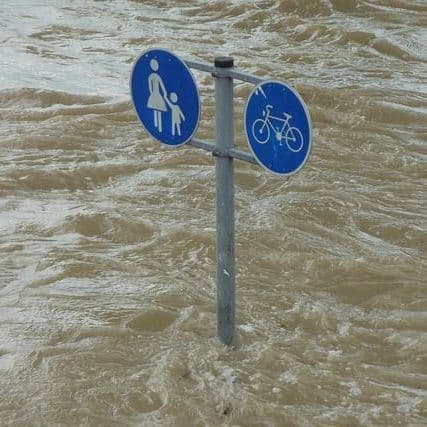
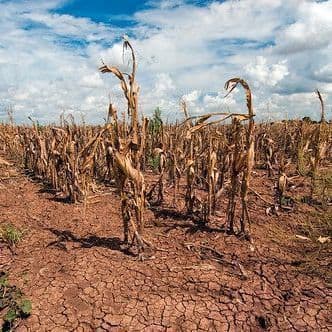
Heavy rainfall exceeding 100 mm per hour and heat persisting into late summer are the most representative climate change phenomena currently being experienced on the Korean Peninsula. In 2024, recorded as the hottest year on record, torrential rain reaching 131.7 mm per hour poured down in Gunsan, North Jeolla Province in July, while 600 mm fell over two days in the metropolitan area.

A study has found that as the East Asian summer front has moved northward over the past few decades, the likelihood of rain and heat occurring simultaneously on the Korean Peninsula has increased. In particular, the average location of the late summer front was analyzed to have shifted approximately 213 km northward over the past 20 years compared to the past. A joint research team consisting of Professor Kim Hyung-joon of the Department of AI F…

(Daejeon = Yonhap News) Reporter Kim Jun-ho = Researchers at the Korea Advanced Institute of Science and Technology (KAIST) analyzed climate data over the past 47 years and found that as the East Asian summer front moved northward, the...

A warning message has been issued stating, "The risk of heavy rain and heatwaves occurring simultaneously on the Korean Peninsula in late summer is increasing."
Coverage Details
Bias Distribution
- 67% of the sources lean Right


Factuality
To view factuality data please Upgrade to Premium