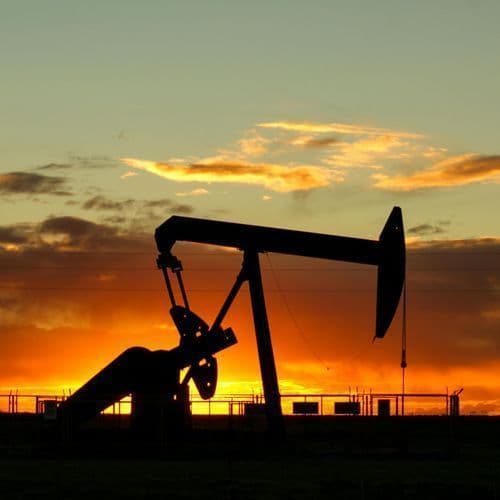
Oil set for fourth monthly gain amid supply risks
Supply fears lifted crude to its highest level since April as traders braced for possible disruption to Middle East oil flows, Reuters reported.
- On Friday, oil prices hit their highest levels since April, marking a fourth straight month of gains following a tanker attack in the Strait of Hormuz.
- Freight costs on some shipping routes now run up to $40 per barrel, as routine attacks on tankers in the Gulf by explosive devices create significant risks for global fuel supplies.
- "The oil market is getting increasingly spooked as we approach the midterms," Saxo Bank strategist Ole Hansen said, as ANZ raised year-end Brent price predictions to $105 per barrel.
- Amid escalating security concerns, ExxonMobil and Chevron cancelled executive travel to the United Arab Emirates next week, while diplomatic efforts to revive peace talks with Tehran remain stalled.
- Future price projections remain in the $70 to $90 range, though Saul Kavonic, head of energy research at MST Marquee, warned of continued elevation due to "doubts of a viable diplomatic pathway.
20 Articles
20 Articles

An oil tanker in the Strait of Ormuz - the main sea lane for crude oil and Persian Gulf fuel - was hit this Friday by explosive devices placed from a small boat


American Drivers Just Got Handed More Bad News: Oil Is Headed for a Fourth Straight Monthly Gain as Fears of New Iran Strikes Build
Oil prices are headed for a fourth straight monthly gain as traders brace for possible renewed strikes on Iran after Tuesday’s midterms. Tanker attacks keep shipping slow and costly, Gulf fuel exports remain below half of prewar levels, and analysts warn prices could stay high even if peace returns.


Oil prices rise for fourth month in a row amid war with Iran Brent <p>and WTI rose after tanker attack, with Brent expecting fourth month of rise. The market fears supply disruptions due to war.</p>

International commodity markets show divergent behaviors at the end of October. Oil accumulates its fourth consecutive monthly rise to new incidents in the Strait of Ormuz, while gold recedes due to expectations of higher interest rates in the United States and soybeans face pressure from US supply and Brazilian competitiveness. In parallel, Rio Tinto progressively resumes operations in one of the world’s leading copper mines. Oil gain ground fr…
Coverage Details
Bias Distribution
- 80% of the sources are Center


Factuality
To view factuality data please Upgrade to Premium